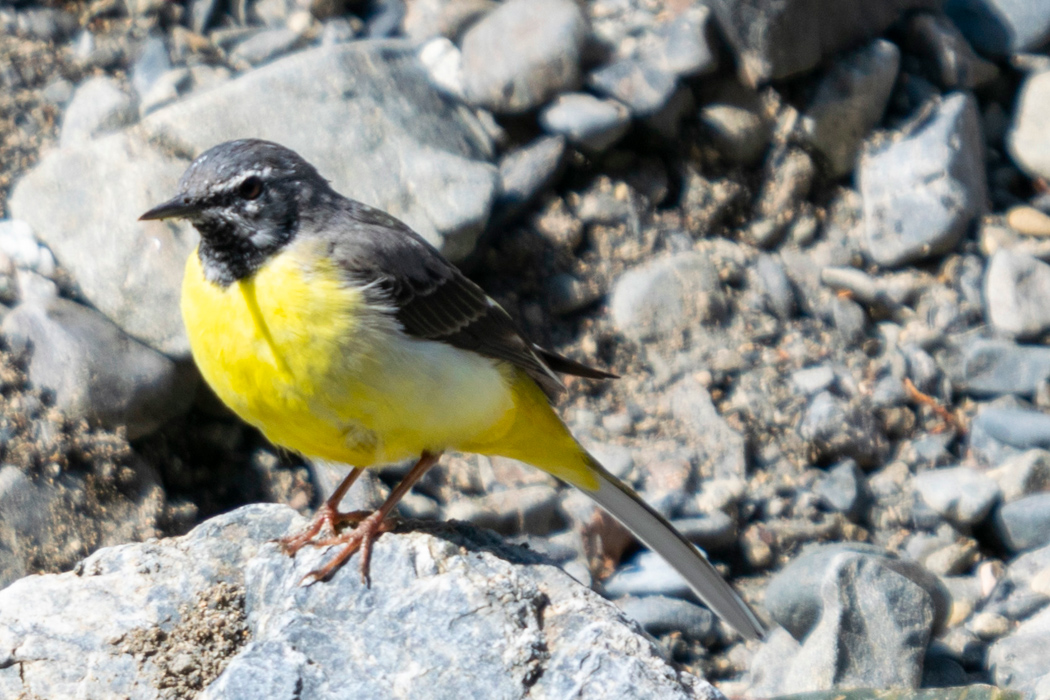
Grey Wagtail
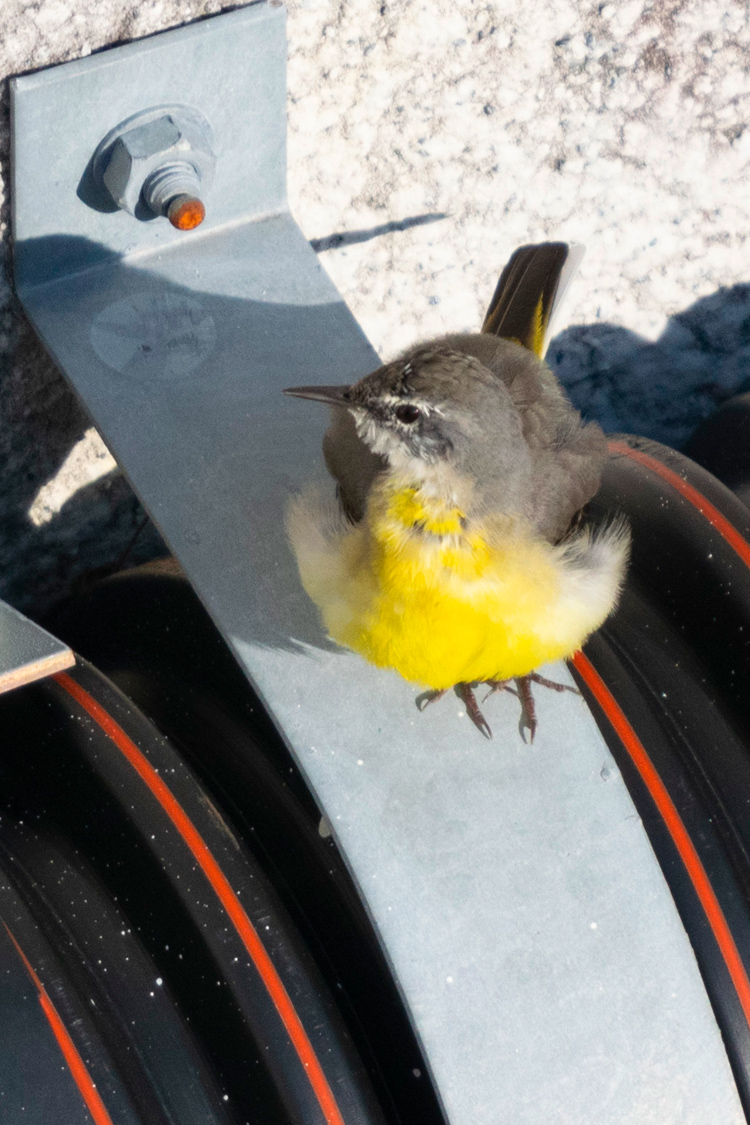
A grey back paired with a yellow belly.
| Scientific name | Motacilla cinerea |
| English name | Grey Wagtail |
| Japanese name | 黄鶺鴒 |
| Class | Aves |
| Order | Passeriformes |
| Family | Motacillidae |
| Genus | Motacilla |
| Species | cinerea |
| Full length | Approx. 20cm |
| Distribution | Kyushu and northward. |
Grey Wagtail Characteristics and Morphology
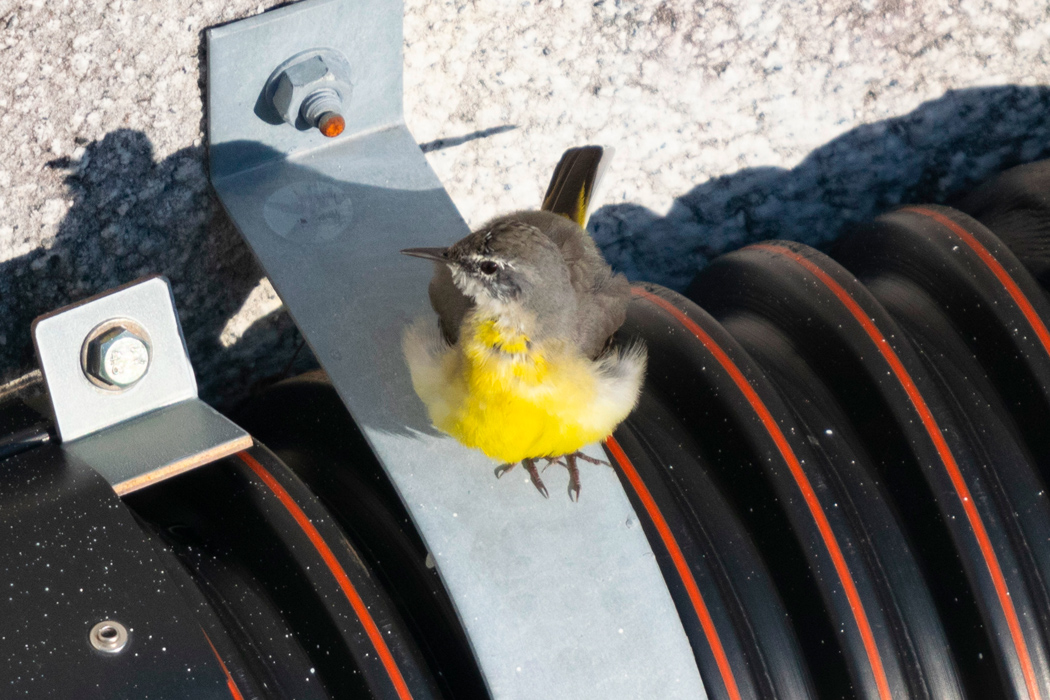
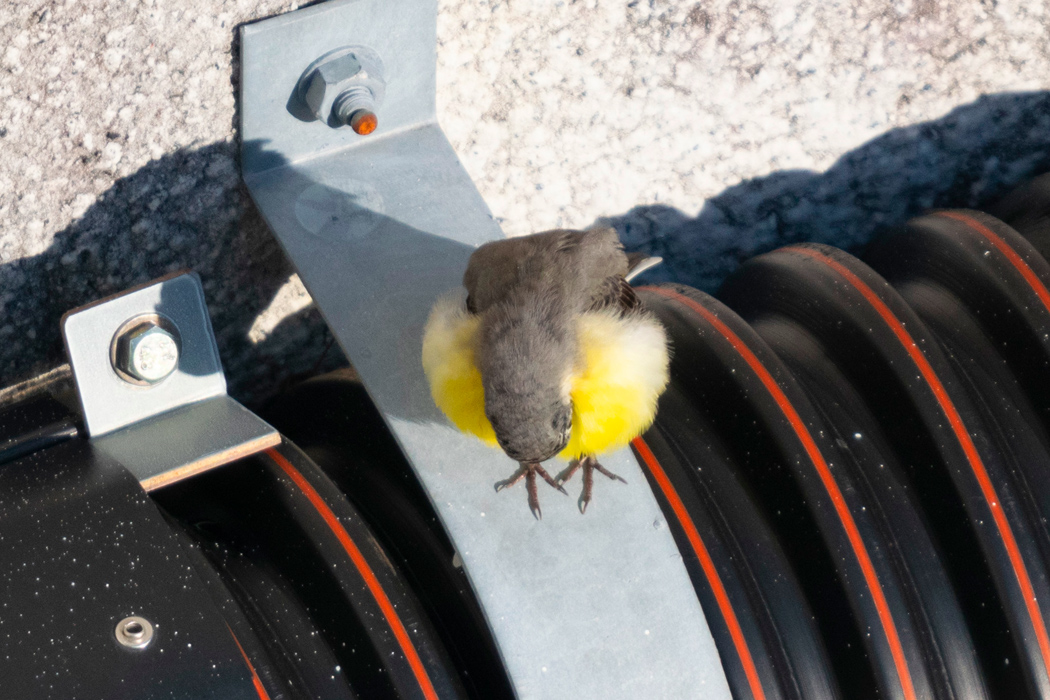
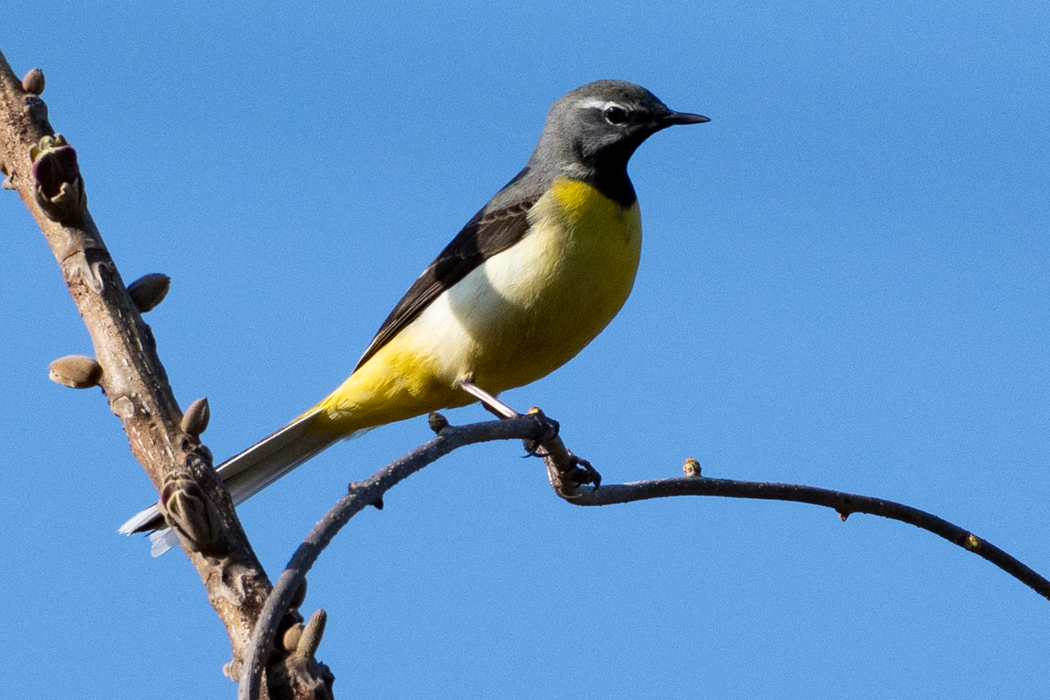
A wagtail about 20cm long. Characterized by a yellow belly. Males and females look almost identical.
The head ranges from grey to dark brown. A white supercilium (eyebrow) line is present. The bill is thin and lead-colored. The color of the throat differs between sexes.
The back is grey, and the primary feathers are blackish. The belly is yellow, while the flanks are white.
The tail is long and grey. The legs are a mix of flesh and lead tones.
Its habitat differs from the White Wagtail (Motacilla alba), which is commonly seen in urban areas.
Male
Appearance is nearly identical to the female.
The throat is black. The black becomes more distinct in summer plumage.
Female
Appearance is nearly identical to the male.
The throat is white.
Song
Very similar to the White Wagtail, but the call is higher and sharper, sounding like "chi" or "chi-chi."
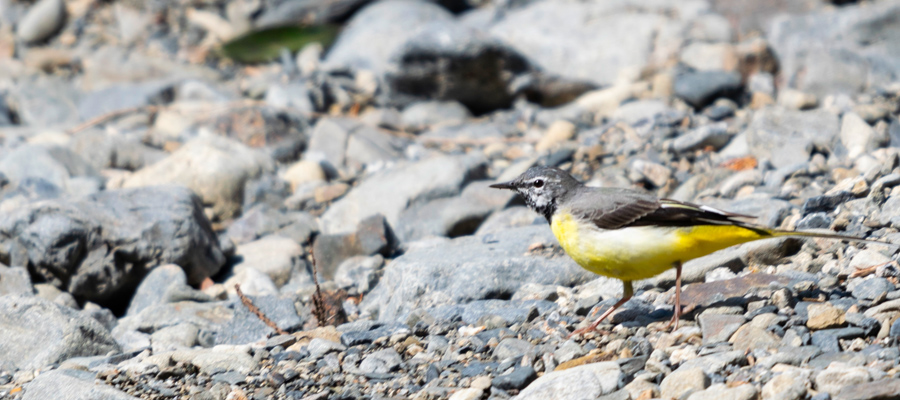
Grey Wagtail Ecology
Habitat
Lives near water. Mainly inhabits riverbanks; it is relatively easy to encounter if you are near a river.
Food
Feeds on insects found in the water or on riverbeds.
Life Cycle
Breeds by building a cup-shaped nest in rock crevices or thickets along riverbanks. In winter, they descend to warmer regions to overwinter.
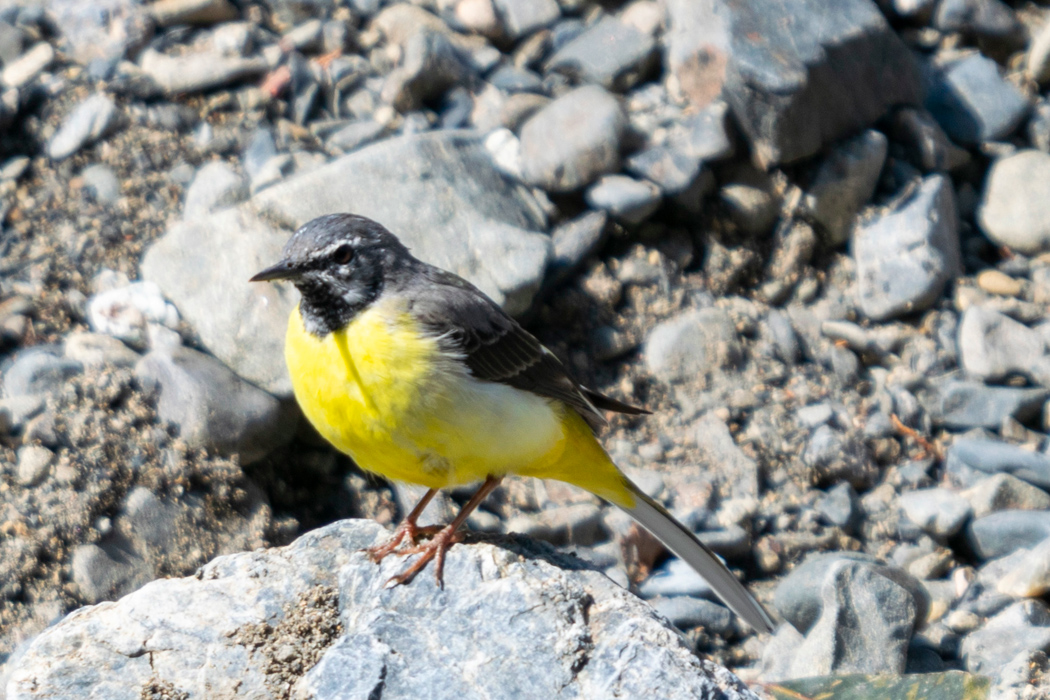
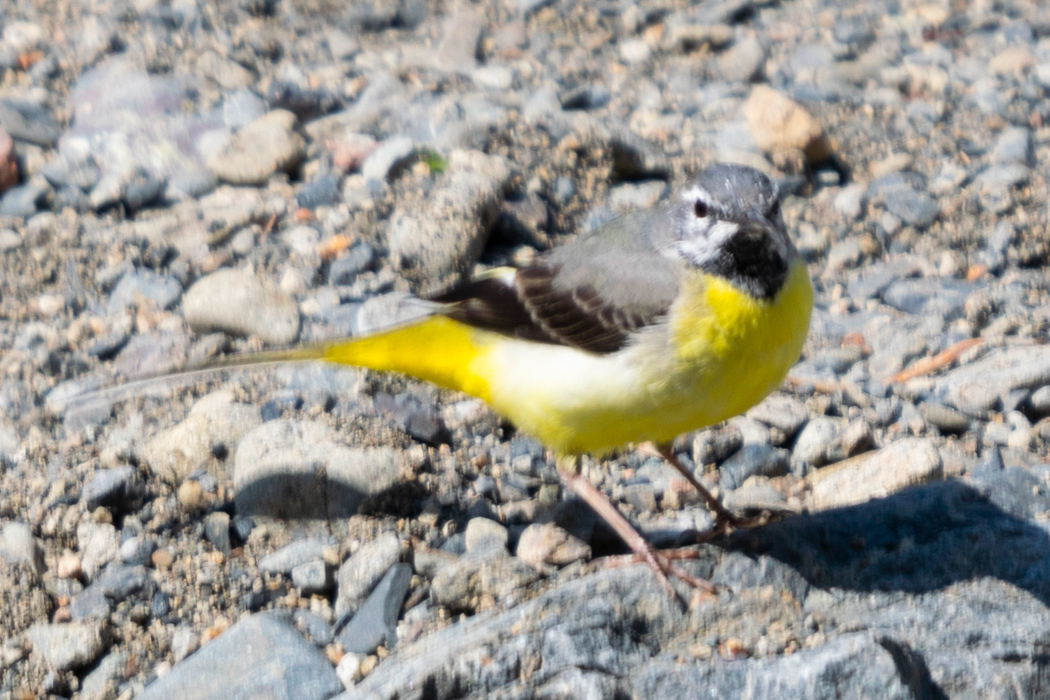
Grey Wagtail Photos
Grey Wagtail Photos are introduced.
Tap the photo to open the detail page.
Grey Wagtail Behavior
Like other wagtails, it walks near water (rivers, ponds, etc.) while bobbing its tail up and down.
Grey Wagtail Information
Naming
The scientific name "cinerea" means "ashy-grey." Unlike the Japanese name (which focuses on the yellow belly), this name focuses on the color of the back. The English name "Grey Wagtail" also refers to this grey coloration.
This bird was beloved by poets such as Kobayashi Issa and Kitahara Hakushu.
Grey Wagtail Found Locations
Otaba International Rainbow Trout Fishing Ground, Okutama
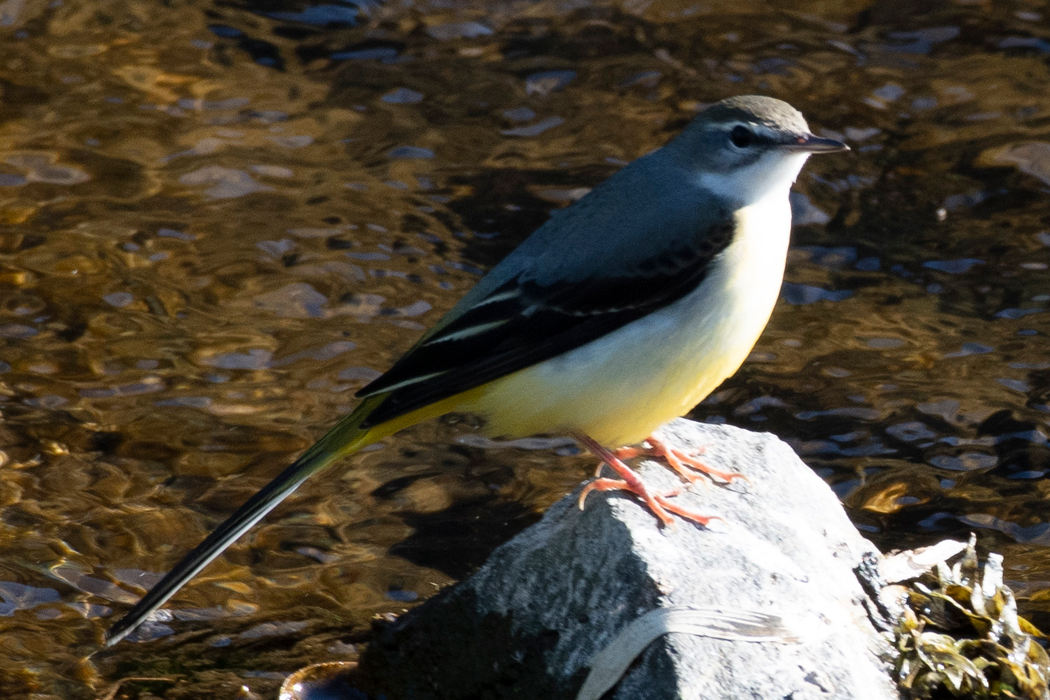
Visited the Otaba International Rainbow Trout Fishing Ground in Okutama. I had spotted them a few times while walking along the Otaba River, but they came quite close to people at the fishing ground. Maintaining a distance of about 20m, they moved back and forth, seemingly curious about the trout fishing. After walking along the riverbank for a while, they flew away downstream.
Grey Wagtail Observation Log
These are the observation logs where we found Grey Wagtail.

Picture book
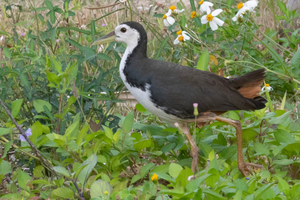
White from the face to the chest....... Read more

bright goldfish-like color....... Read more
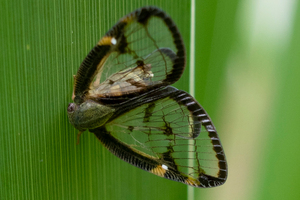
transparent wings with a black border....... Read more
red body with five horizontal stripes....... Read more

small flowers bloom on roadsides....... Read more
A silver streak runs along the underside of the wing....... Read more