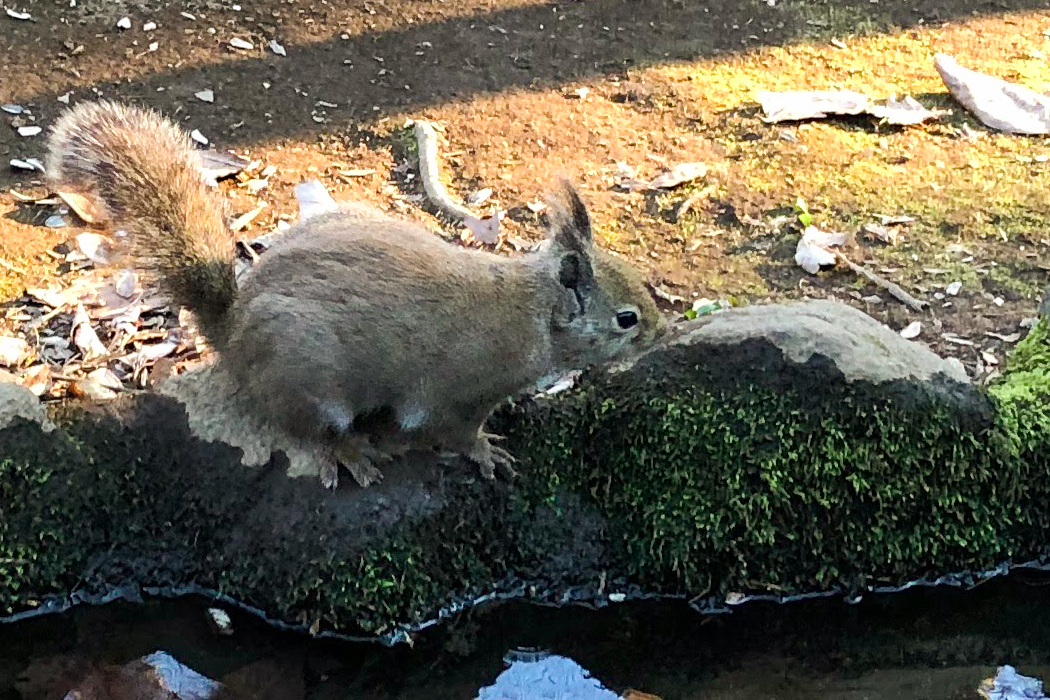
Japanese squirrel
Buries nuts such as acorns in the ground to "cache" food.
| Scientific name | Sciurus lis |
| English name | Japanese squirrel |
| Japanese name | 日本栗鼠 |
| Class | Mammalia |
| Order | Rodentia |
| Family | Sciuridae |
| Genus | Sciurus |
| Species | lis |
| Full length | Approx. 16-22cm |
| Distribution | Honshu, Shikoku, Kyushu |
Japanese squirrel Characteristics and Morphology
A squirrel with brown or reddish-brown fur.
Large ears that grow tufts of hair at the tips during winter.
The Japanese squirrel is very similar to the Pallas's squirrel. The Japanese squirrel has a white belly, whereas the Pallas's squirrel has a brown one. The Pallas's squirrel is also slightly larger, sometimes exceeding 40cm in total length.

Japanese squirrel Ecology
Habitat
Lives in coniferous forests from Honshu to Kyushu.
Food
Omnivorous, eating plant seeds, fruits, and buds, as well as mushrooms and arthropods.
Life Cycle
Active year-round without hibernating. Lives for about 3-5 years and breeds once or twice a year through spring.
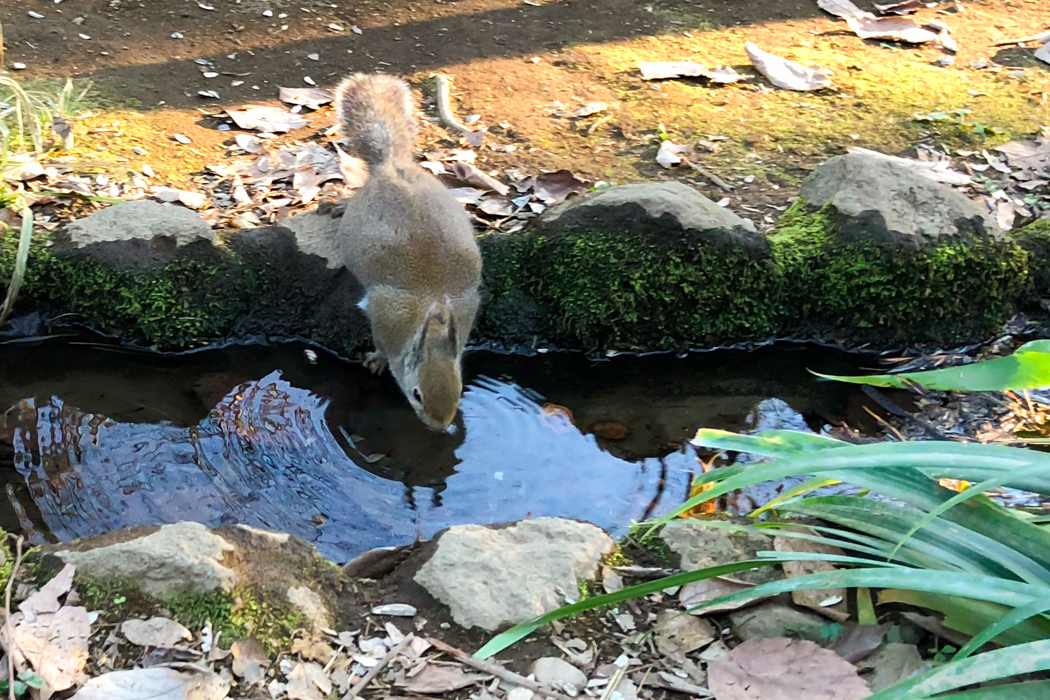
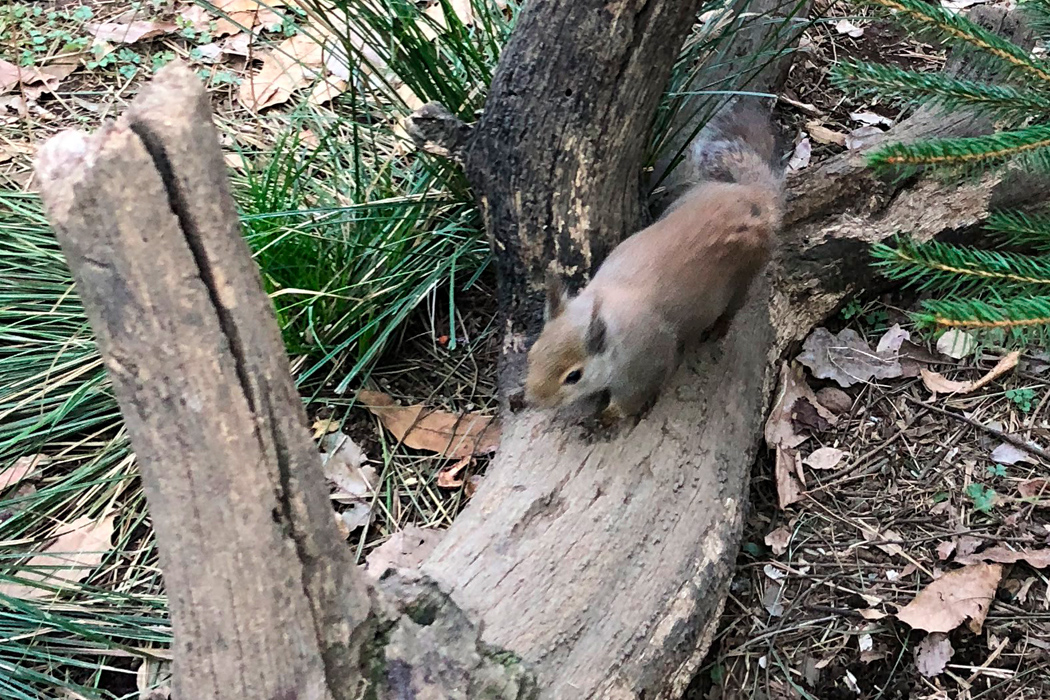
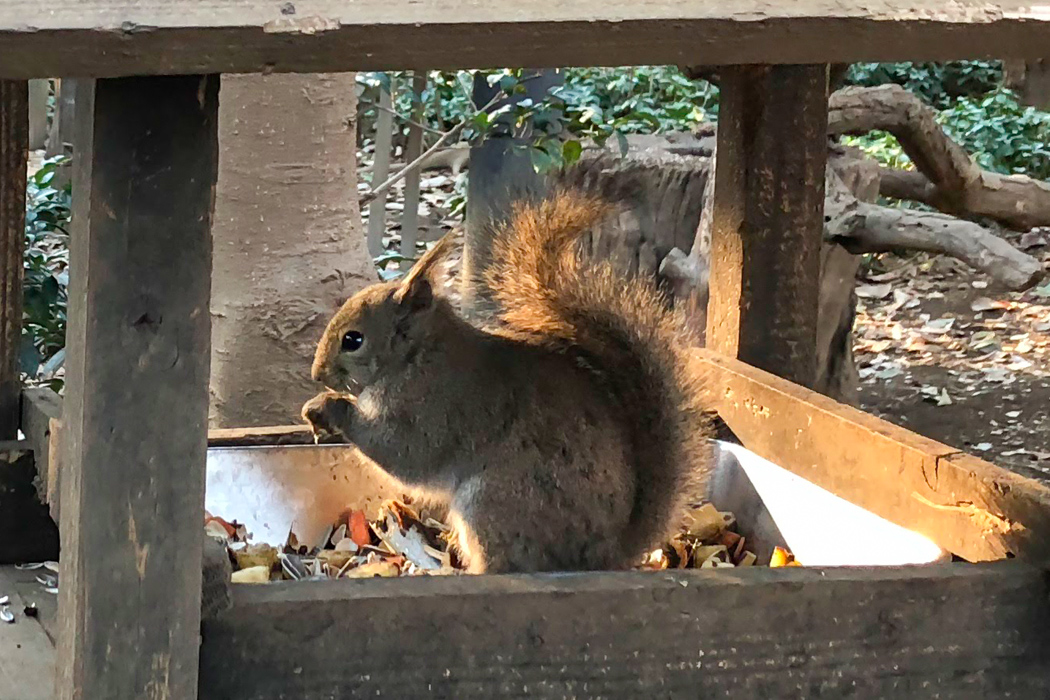
Japanese squirrel Photos
Japanese squirrel Photos are introduced.
Tap the photo to open the detail page.
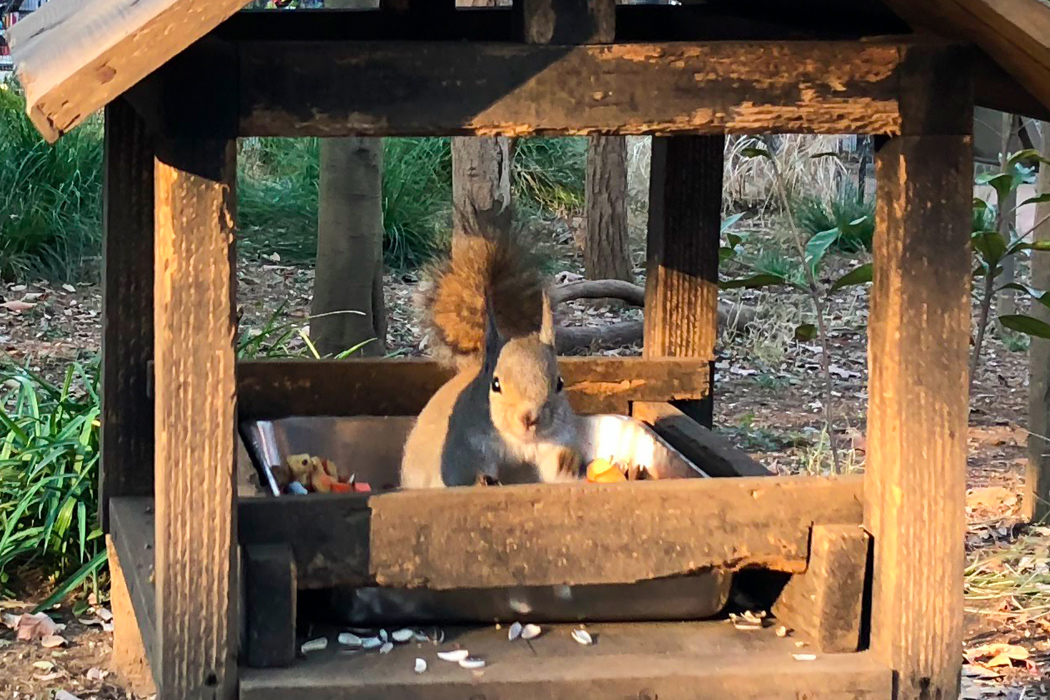
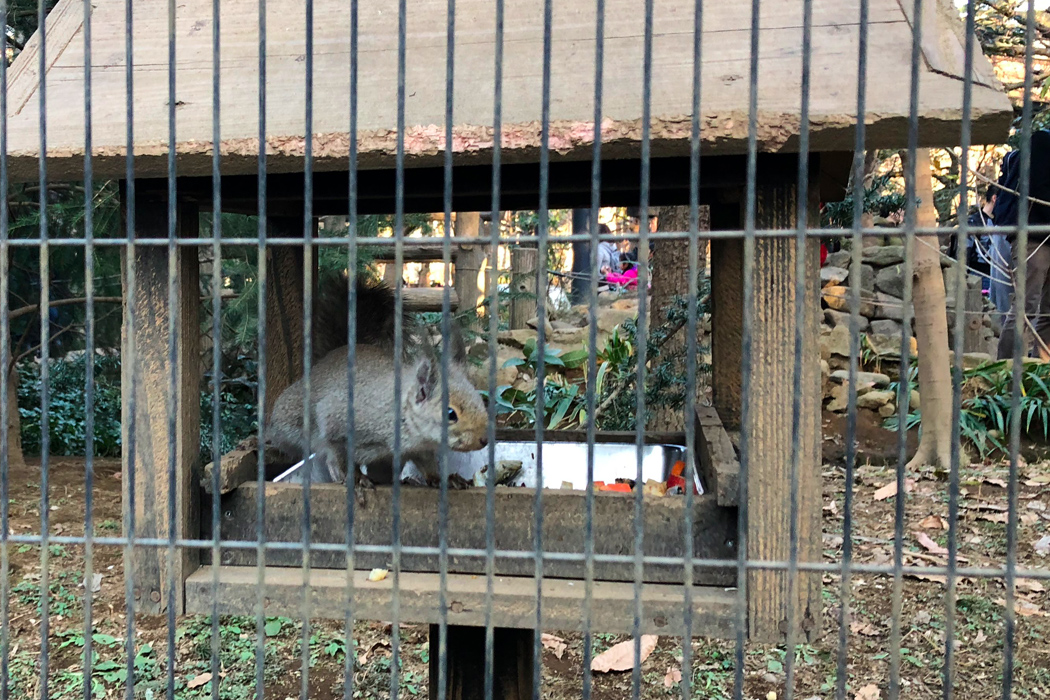
Japanese squirrel Behavior
Primarily arboreal, active in the morning and evening. They rest in nests at night. They move quickly and emit alarm calls to threaten when they sense danger. They live within a home range of about 10 hectares; it is known that the ranges of females do not overlap. They "cache" food in the ground or between branches to prepare for winter. The sight of them skillfully cracking hard walnut shells with their front teeth is impressive.
Japanese squirrel Information
Foxes and birds of prey are their natural enemies, but in recent years, their population has declined due to the loss of forest habitats. They are believed to have gone extinct in the Chugoku and Kyushu regions.
Japanese squirrel Found Locations
Inokashira Park
You can observe them up close in the "Squirrel Path" (Risu no Komichi) within the Inokashira Park Zoo. They sometimes cross right in front of visitors while moving between feeding areas. As many as five squirrels may be inside a single nest box, and the sight of them peeking out from the round entrance is popular. The entrance to the "Squirrel Path" has double doors to prevent them from escaping.
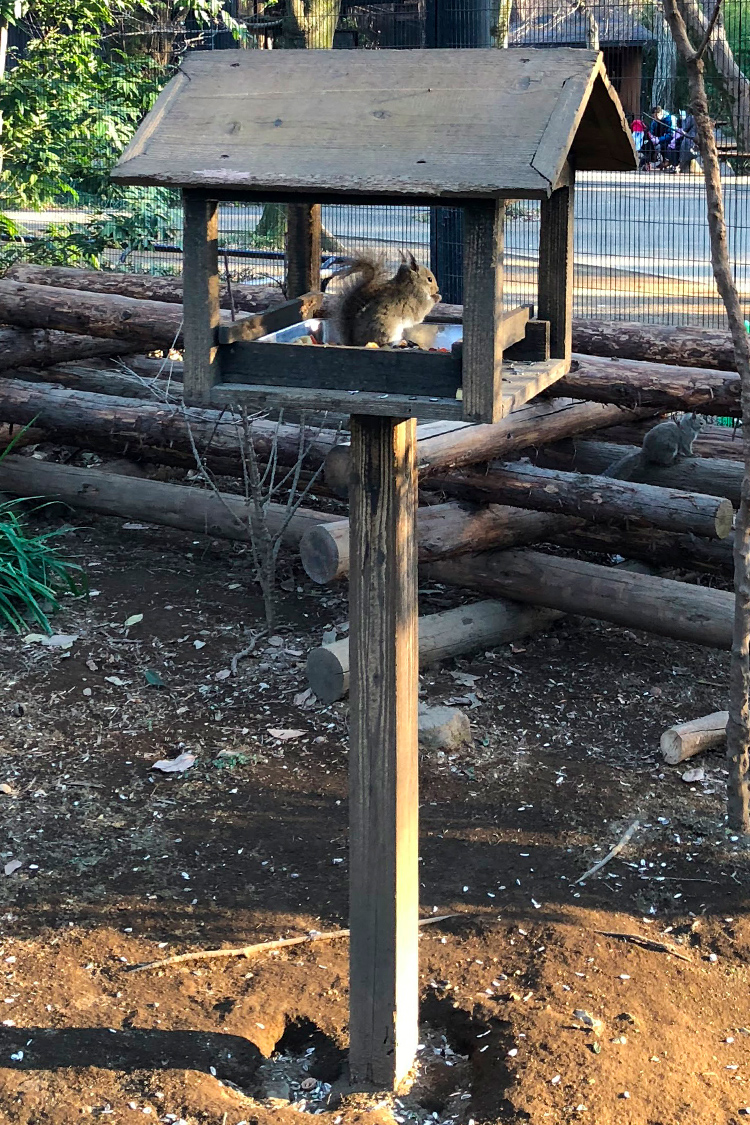
Picture book
Encased in a tough shell....... Read more
blackish from face to tail (juvenile fish)...... Read more
There is a black spot in front of the caudal fin....... Read more
Characterized by streaked patterns resembling stone walls or rock faces....... Read more

Flies quickly with its long wings....... Read more
Also known as "Chinu" in fishing, it is popular....... Read more