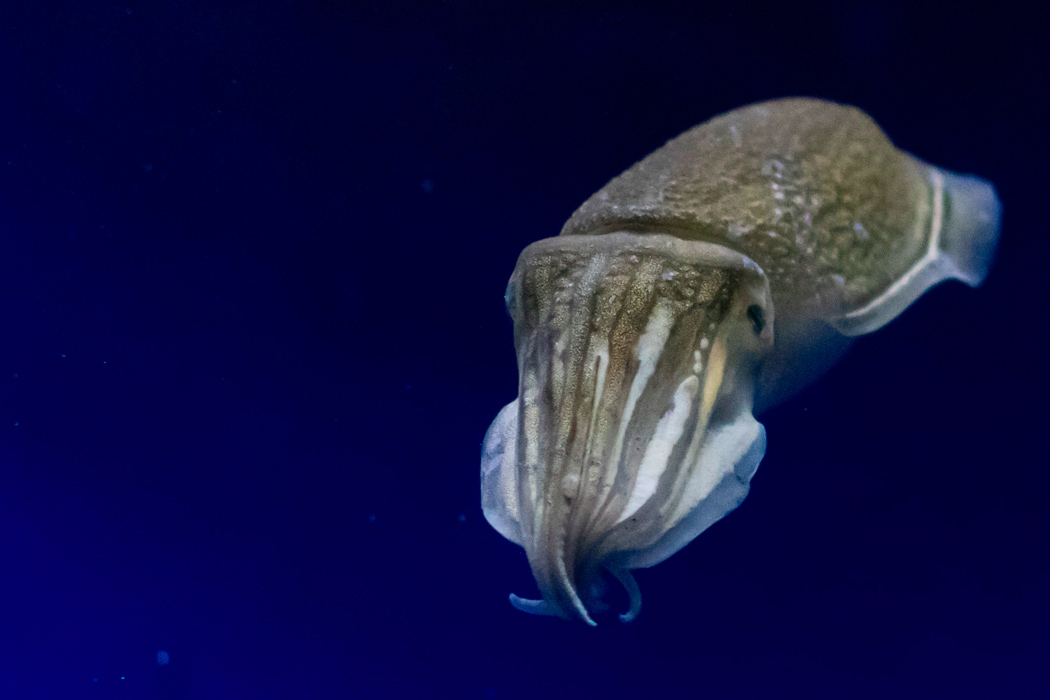
Japanese spine-less cuttlefish
| Scientific name | Sepiella japonica |
| English name | Japanese spine-less cuttlefish |
| Japanese name | 尻焼烏賊 |
| Class | Cephalopoda |
| Order | Sepiida |
| Family | Sepiidae |
| Genus | Sepiella |
| Species | japonica |
| Subspecies | --- |
| Full length | 15-18cm |
| Distribution | Inland sea except Hokkaido |
Characteristics
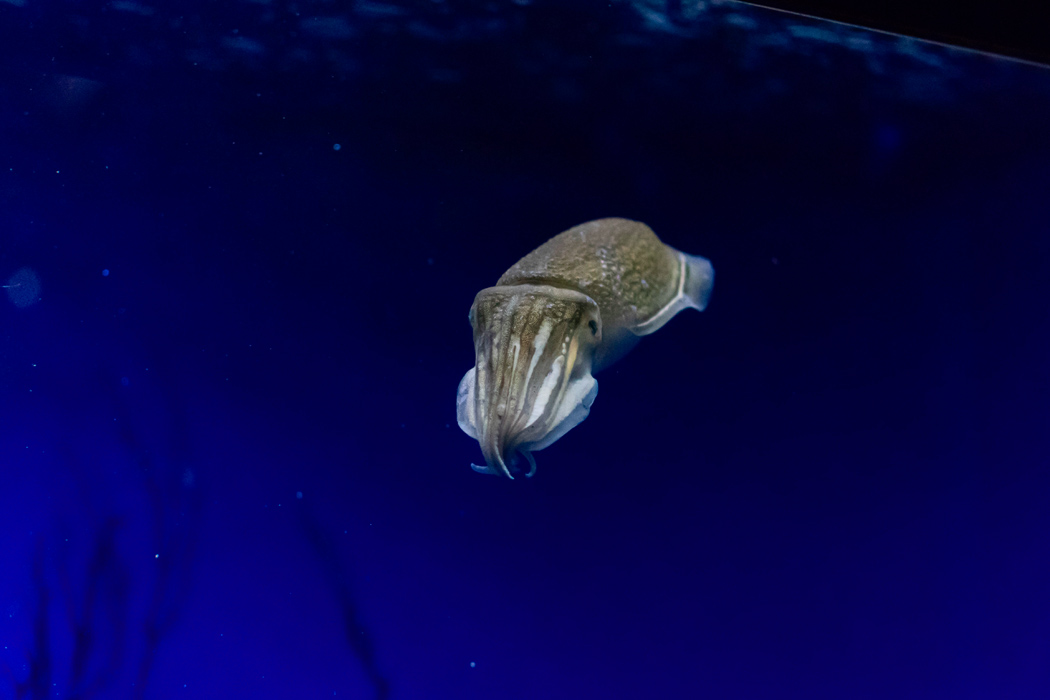
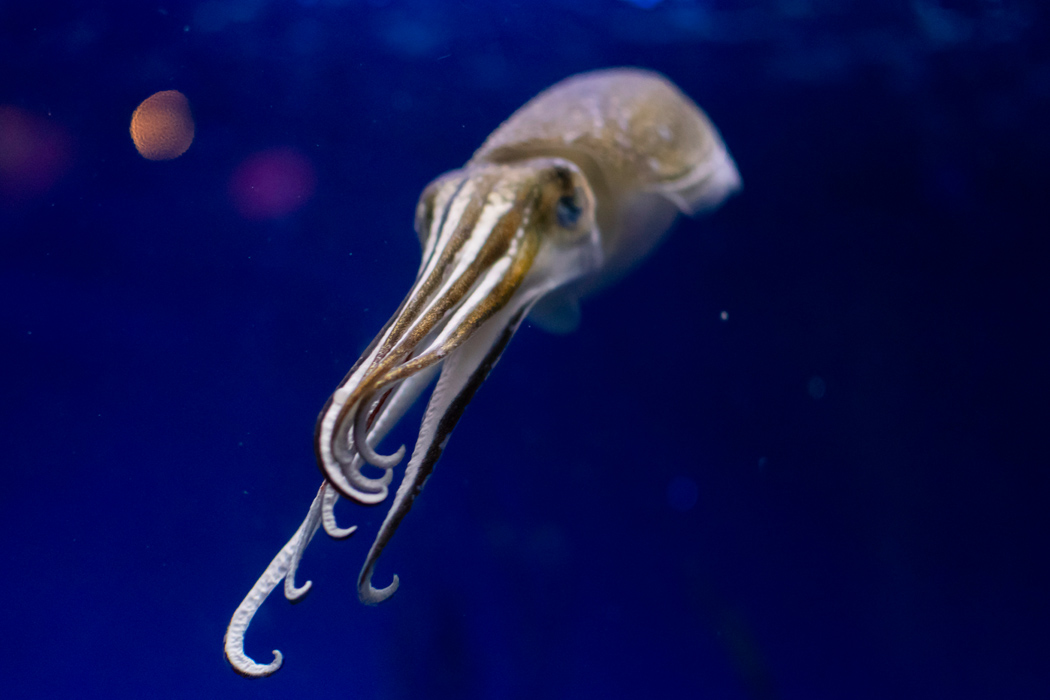
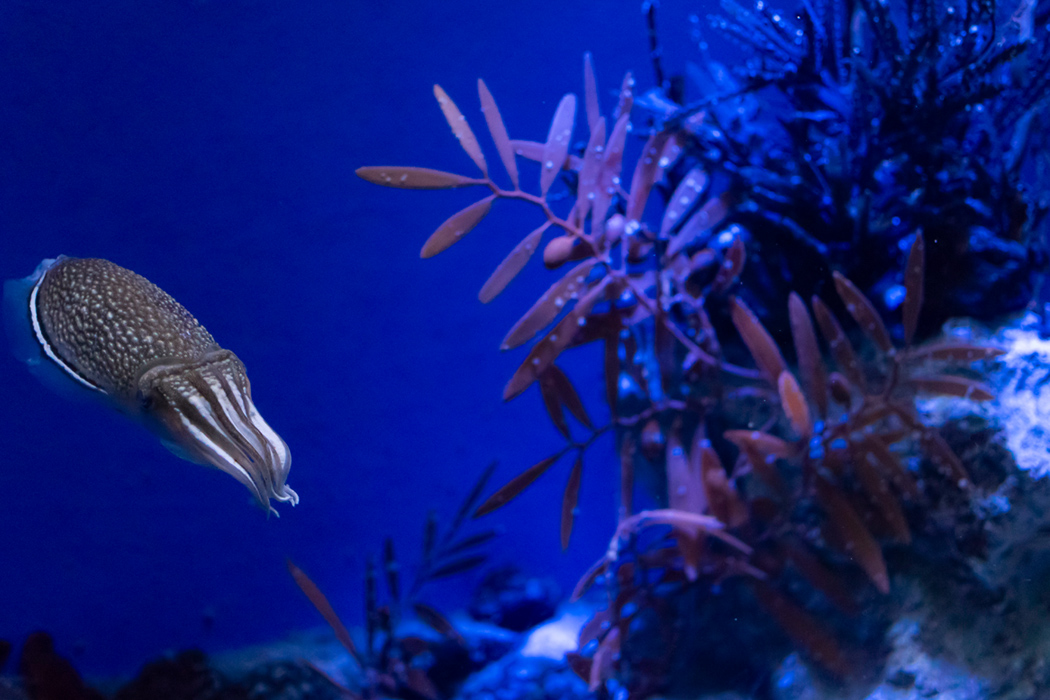
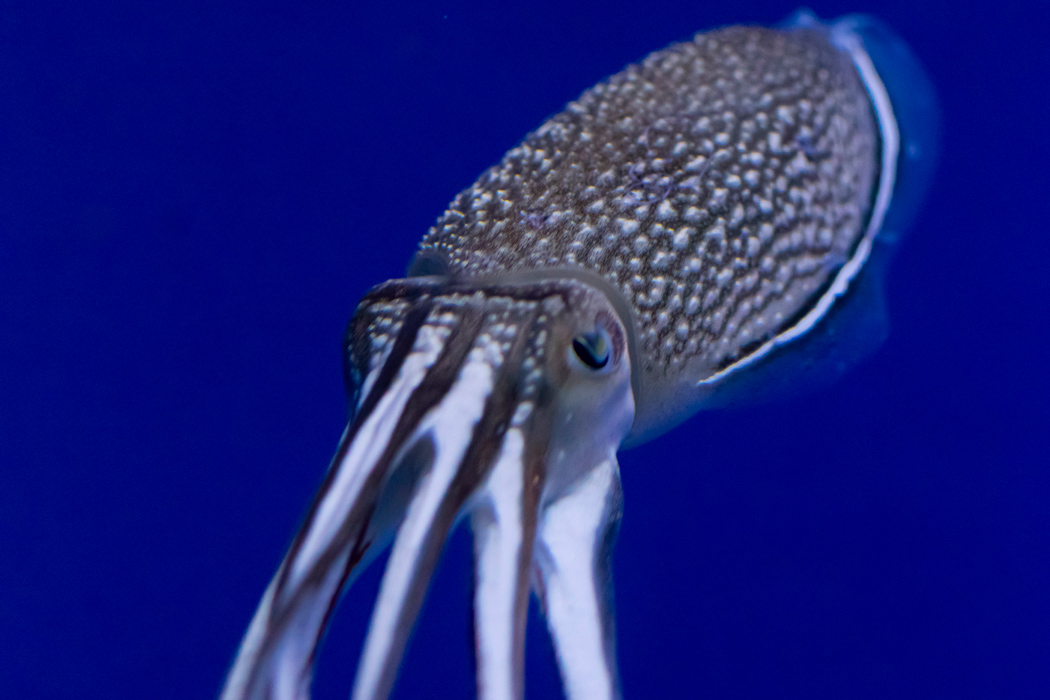
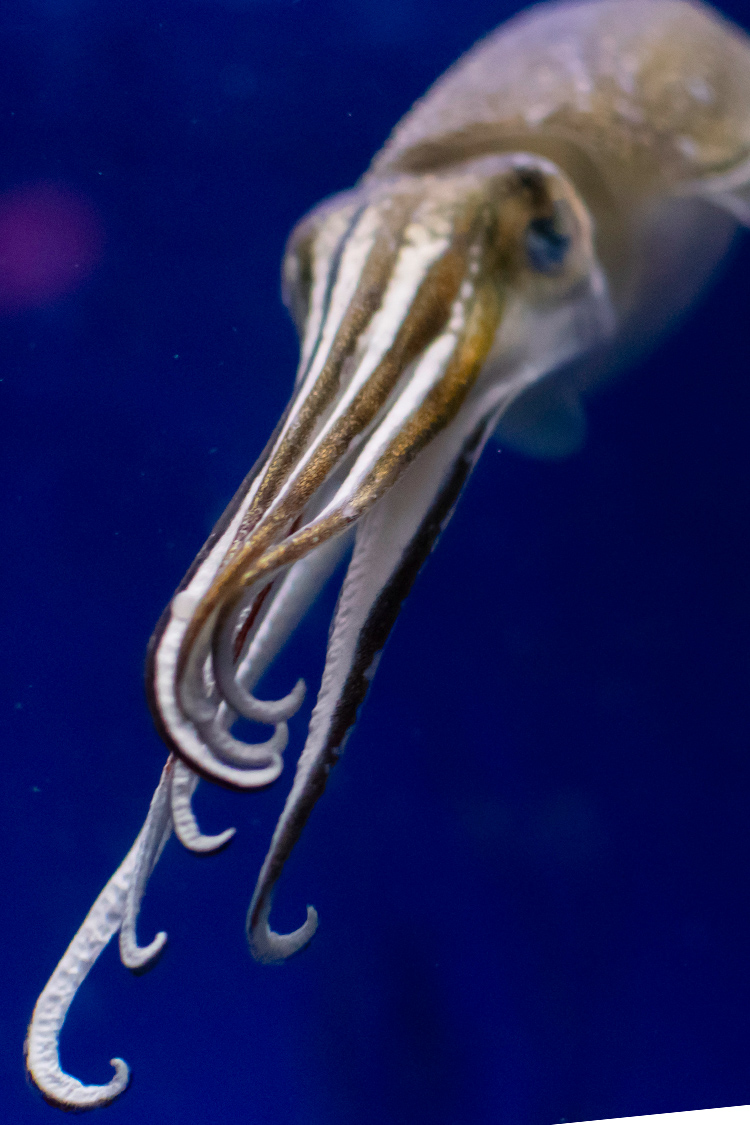
A squid that closely resembles the cuttlefish (Sumiika). It is about 15-18 cm long, excluding the legs, and has a dark body with white spots. Because the tip of the mantle exudes a brown secretion, the buttocks are more dyed, and it is called "shiriyaki". It extends its tentacles long when it catches prey.
The difference from the cuttlefish is that cuttlefish has spines at the tip of its back, but Shiryakeika has no spines.
Ecology
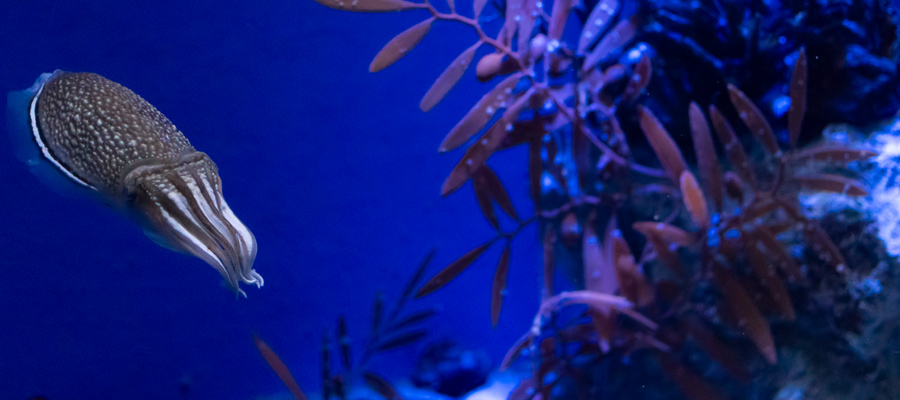
It inhabits sandy mud bottoms and catches and eats crustaceans and small fish. Spawns on seaweed in the inner bay from April to May. When the water temperature drops, they move to deeper waters and return the following spring. It inhabits inland seas, and is often seen in Tokyo Bay and the Seto Inland Sea.
Habitat
Shiriyakeika no tokuchō kouika (sumīka) ni yoku nita ika. Ashi o nozoku to 15 - 18 cm hodo no naga-sa de, kuroppoi dō no hyōmen ni wa shiroi hanten o motsu. Gaitōma no sentan kara chairo no bunpieki o dashite iru koto kara, shiri no hō ga somatte ori,`shiri yake' to yoba rete iru. Esa o toraeru toki ni shokuwan o nagaku nobasu. Kō ika to no chigai wa, kouika wa ato no sentan ni toge ga aru ga, shiriyakeika ni wa toge ga nai. ! [Shiriyakeika no shashin](../ Img/ article/ shiriyakeika - midoru. Jpg)## shiriyakeika no seitai suna dorozoko no kaitei ni seisoku shite kōkaku-rui ya kozakana nado o toraete taberu. 4 Tsuki kara 5 tsuki ni kakete naiwan no kaisō ni sanran suru. Suion ga sagaru to fukaba ni idō shi yokushun ni modotte kuru. Uchiumi ni seisoku shite ori, Tōkyōwan ya Setonaikai nado de ōku mi rareru. ## Hakken shita basho shin'enoshimasuizokukan ni aorīka ya kaminariika to tomoni tenji sa rete ita. Suisō no naka o oyogi mawarinagara shokuwan o nobashite ita. Hoka no ika yori mo yaya kappatsu ni mieta. Yukkuri to oyoide itanode dō no moyō o yoku kansatsu suru koto ga dekita. Shin'enoshimasuizokukan ni wa, ika no suisō no ta ni mo, Kanagawa no umi no naka no yōsu o saigen shita kazukazu no suisō ga tenji sa rete iru.
さらに表示
514 / 5,000
翻訳結果
Characteristics of Shiryakaika
A squid that closely resembles the cuttlefish (Sumiika). It is about 15-18 cm long, excluding the legs, and has a dark body with white spots. Because the tip of the mantle exudes a brown secretion, the buttocks are more dyed, and it is called "shiriyaki". It extends its tentacles long when it catches prey.
The difference from the cuttlefish is that cuttlefish has spines at the tip of its back, but Shiryakeika has no spines.

Ecology of squid
It inhabits sandy mud bottoms and catches and eats crustaceans and small fish. Spawns on seaweed in the inner bay from April to May. When the water temperature drops, they move to deeper waters and return the following spring. It inhabits inland seas, and is often seen in Tokyo Bay and the Seto Inland Sea.
Location found
It was on display at the Enoshima Aquarium along with bigfin reef squid and lightning squid. It stretched its tentacles while swimming around in the tank. It looked a little more active than the other squid. I was able to observe the pattern on the body well because it was swimming slowly. At the Enoshima Aquarium, in addition to the squid tank, there are also many tanks that reproduce the state of the sea in Kanagawa.
Pictures
Introducing a picture of Japanese spine-less cuttlefish.