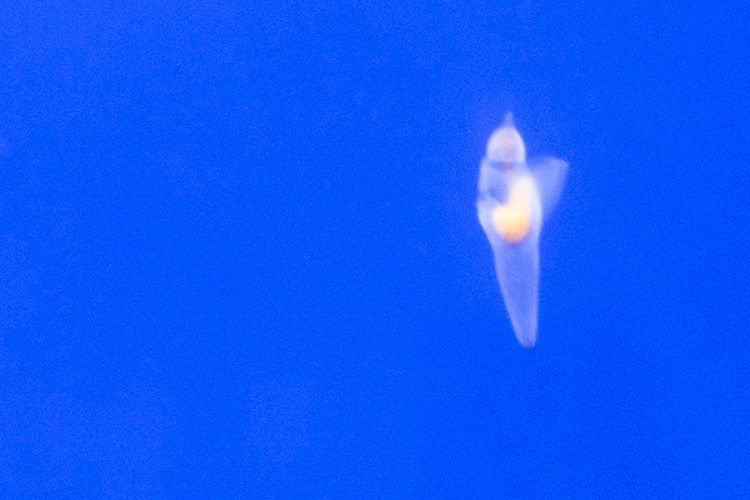
Clione
| Scientific name | Clione |
| English name | Clione |
| Japanese name | クリオネ |
| Class | Gastropoda |
| Order | Gymnosomata |
| Family | Clionidae |
| Genus | Clione |
| Species | undefined |
| Subspecies | --- |
| Full length | 1-3cm |
| Distribution | Distributed in the Arctic and North Pacific Oceans. Also in Toyama Bay. |
Characteristics
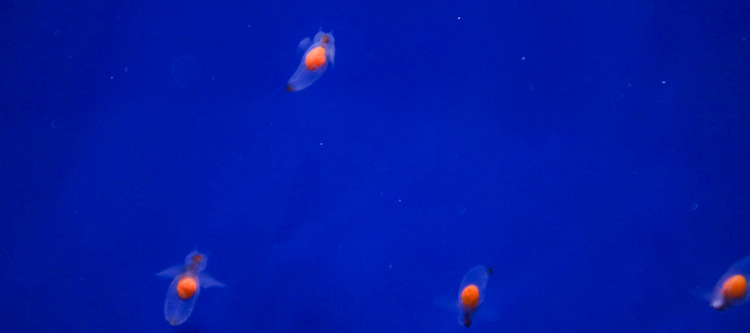
The way they swim gracefully moving their wing legs is called the 'drift ice angel' or 'ice fairy'. It is related to snails, but does not have a shell. Viscera such as gonads and midgut glands appear red on the translucent body. It is carnivorous and uses six tentacles extending from its head to catch pteropods and absorb nutrients. It is eaten by salmon, trout, herring, etc. and constitutes the food chain in subarctic waters.
Habitat
It is on display at the Okhotsk Drift Ice Museum in Abashiri City, Hokkaido. It was slowly going up and down in a small tank.
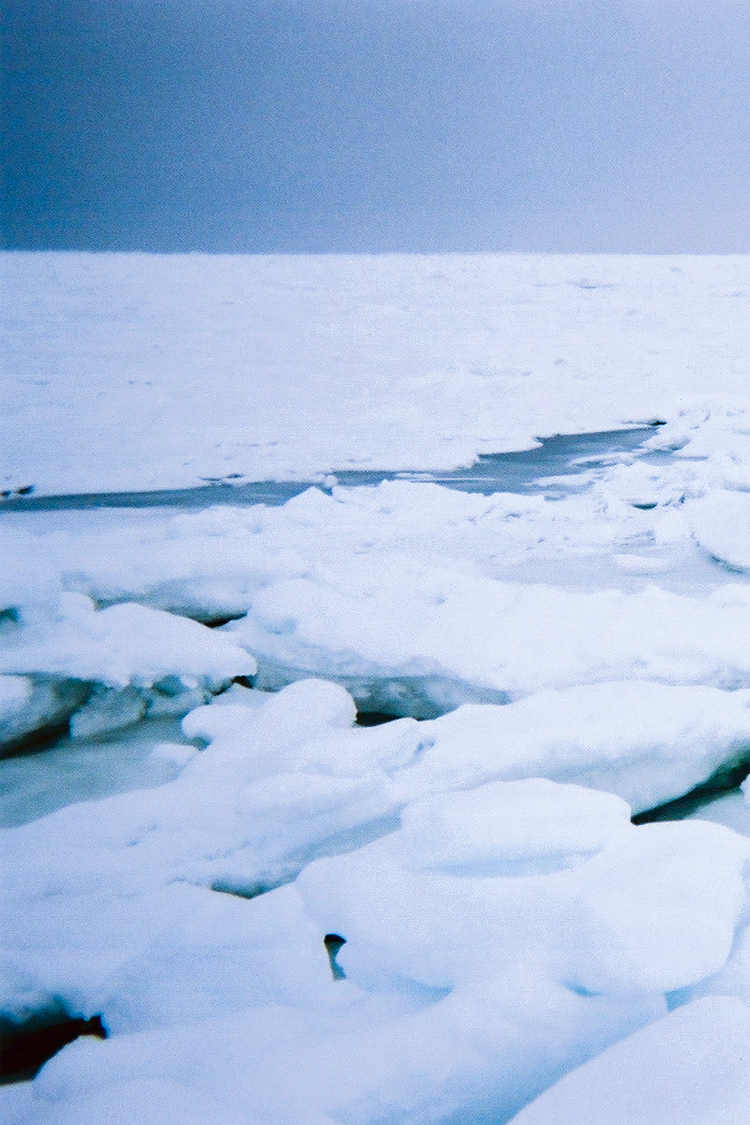
In addition to clione, which can only be seen in the sea during the season when drift ice comes, you can also see creatures such as fusen fish and wolffish.
Pictures
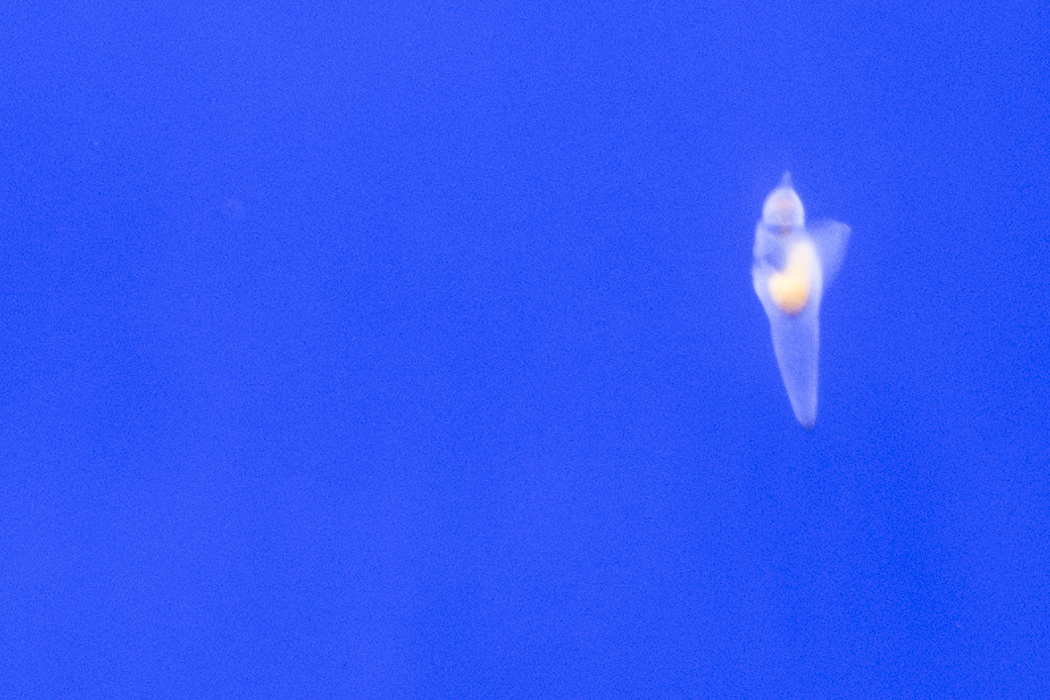
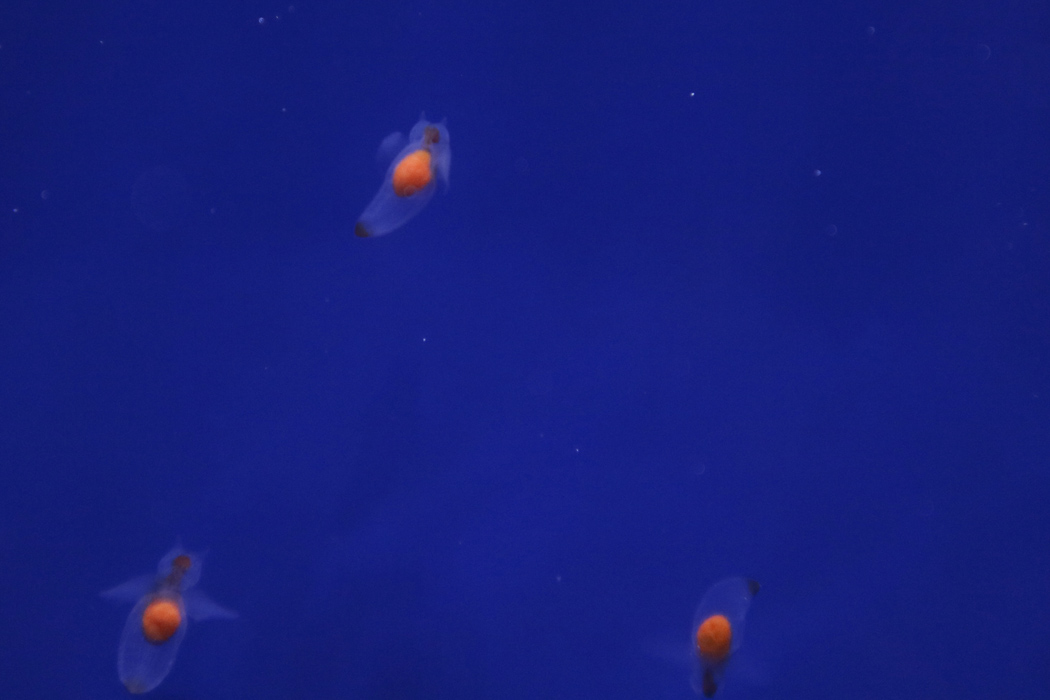
Introducing a picture of Clione.
Picture book
The Japanese Dart
dark yellow with brown mottling....... Read more
Grey Wagtail
A wagtail with a distinctive yellow color that can be recognized at a glance....... Read more
Great Crested Grebe
crested grebe...... Read more
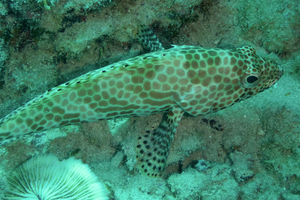
Honeycomb grouper
A pattern that looks like a polygonal pattern....... Read more