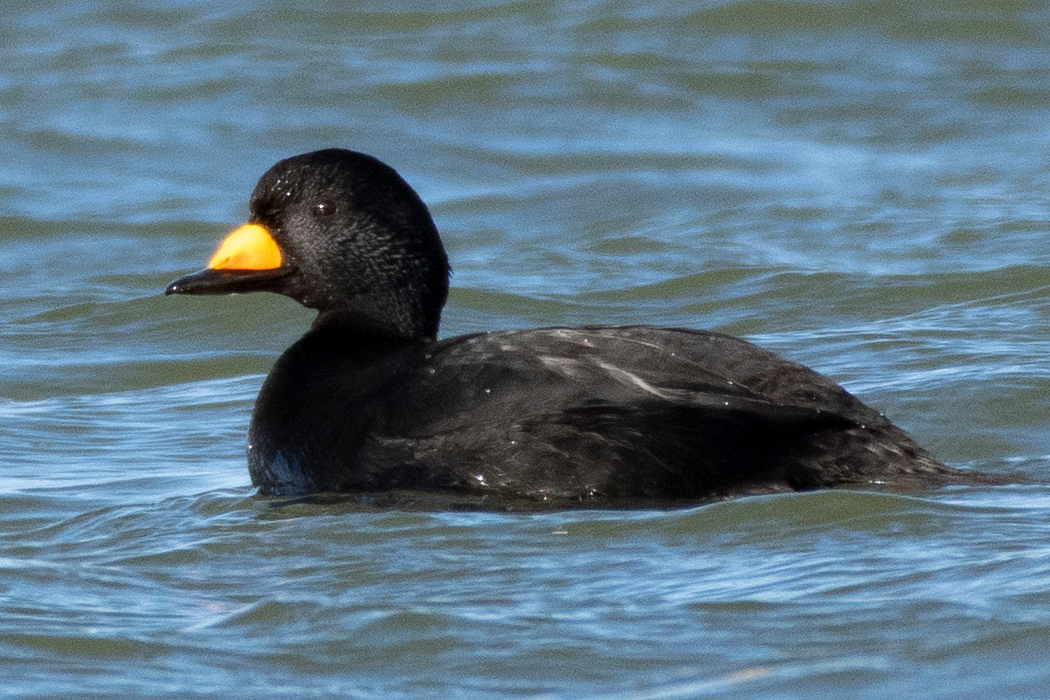
Black scoter
A duck that is entirely black.
| Scientific name | Melanitta nigra |
| English name | Black scoter |
| Japanese name | 黒鴨 |
| Class | Aves |
| Order | Anseriformes |
| Family | Anatidae |
| Genus | Melanitta |
| Species | nigra |
| Full length | 45-54cm |
| Distribution | Breeds in high latitudes of Eurasia and North America, and migrates to Japan in winter. |
Black scoter Characteristics and Morphology
Around 50cm in total length, appearing slightly smaller than the Eastern spot-billed duck (Anas zonorhyncha).
The head does not have a developed crest, resulting in a rounded silhouette. The bill and iris are black to dark brown.
The legs are black.
Male
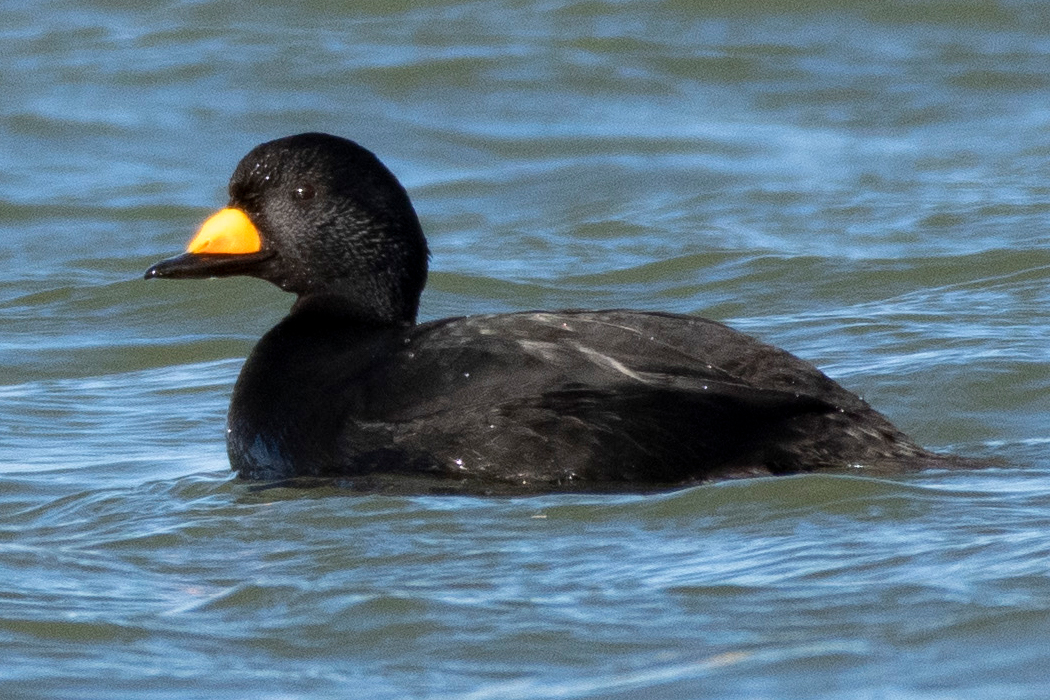
Entirely black.
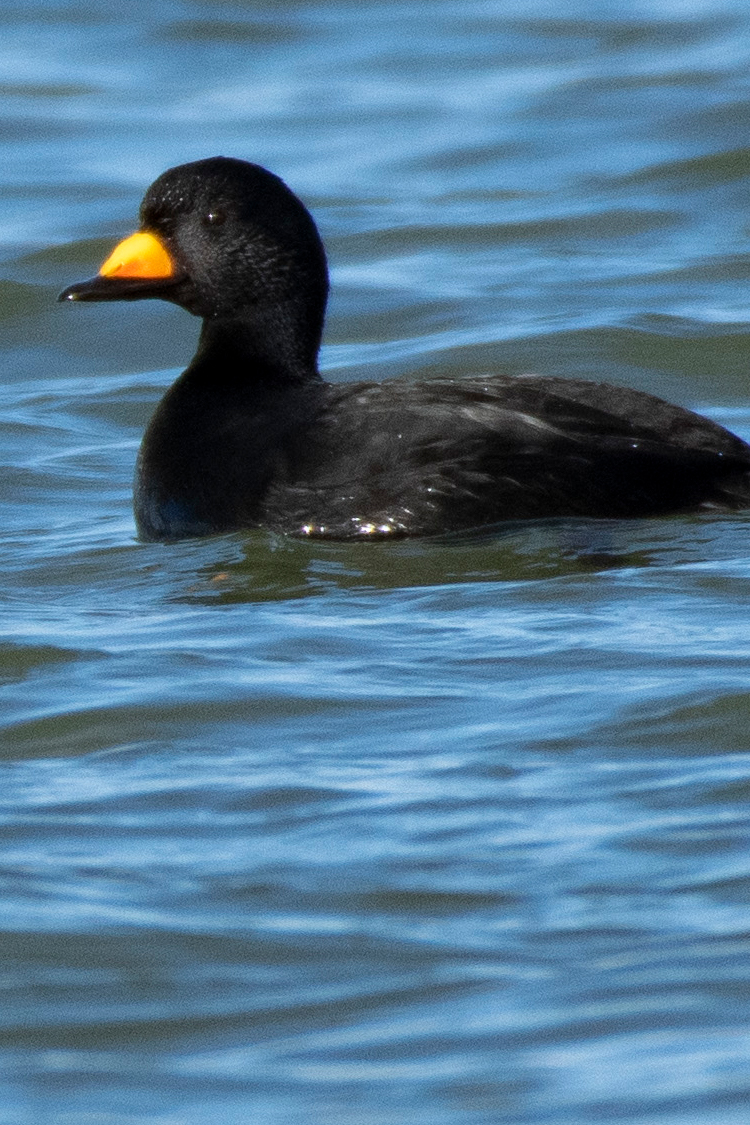
Only the base of the bill is bright yellow, with the rest of the body being black. The iris is also dark brown, making it difficult to distinguish.
The wings and tail are also entirely black.
Female
Unlike the male, the entire body is brown.
The face below the eyes is pale gray. The entire bill is black.
Song
Vocalizes with a high-pitched "Phee" sound.
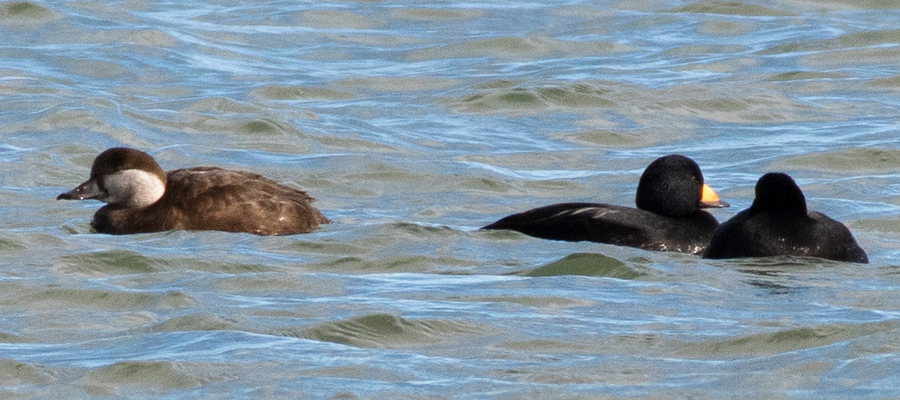
Black scoter Ecology
Habitat
Inhabits the sea.
Food
Eats aquatic crustaceans and shellfish.
Life Cycle
Migrates to Japan in winter to overwinter.
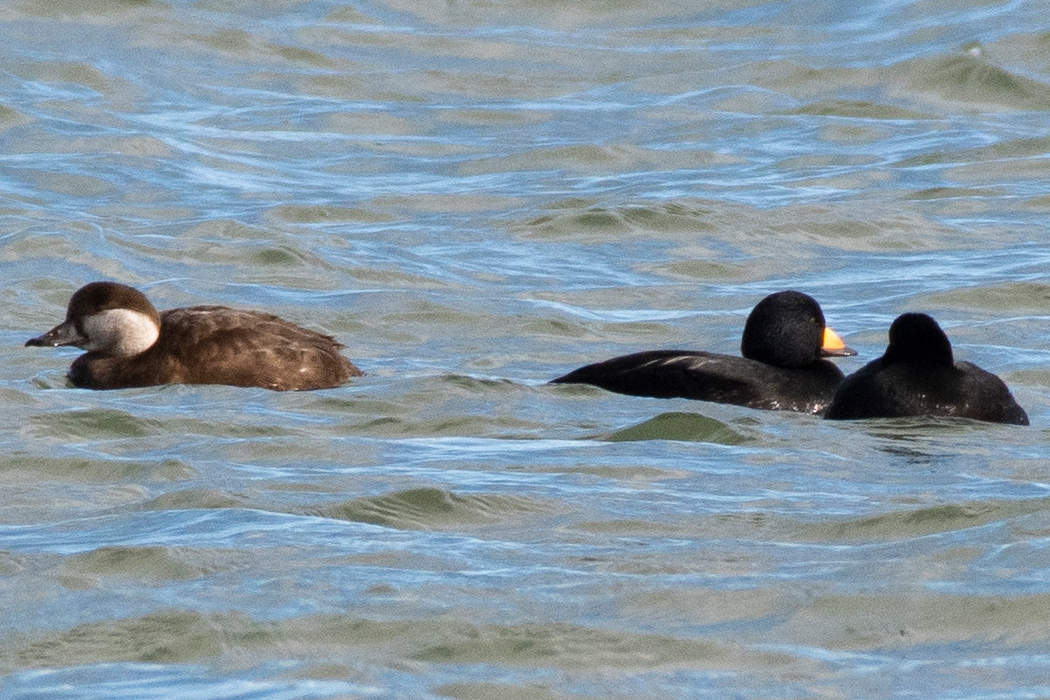
Black scoter Photos
Black scoter Photos are introduced.
Tap the photo to open the detail page.
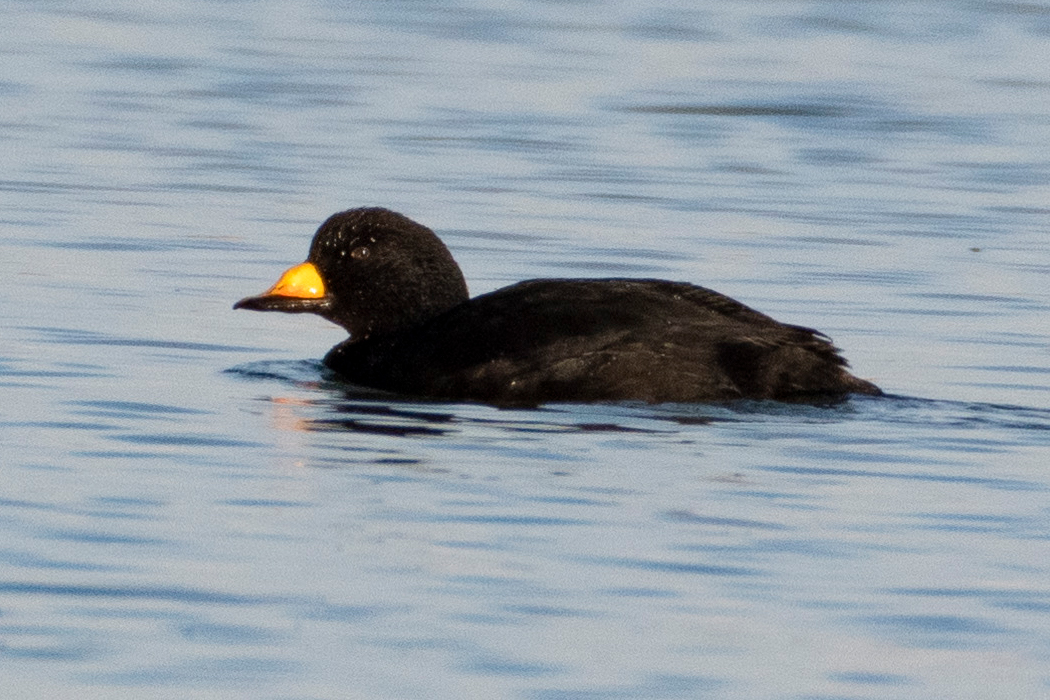
Black scoter Behavior
Forms flocks outside of the breeding season.
Black scoter Information
Naming
The genus name "Melanitta" is a combination of "melas" (black) and "netta" (duck).
Black scoter Found Locations
Abukuma River Estuary
Photographed near the mouth of the Abukuma River in December. It was difficult to get close enough for a good shot. Especially, photographing the eyes was challenging because its body is black. It was foraging among other waterfowl such as Horned Grebes.
Picture book
Camouflages well in sandy areas...... Read more
A white strip that runs in a V shape....... Read more
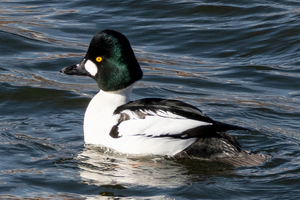
Its Japanese name comes from the white markings on its cheeks....... Read more
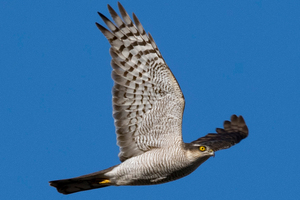
It looks smaller than a goshawk....... Read more
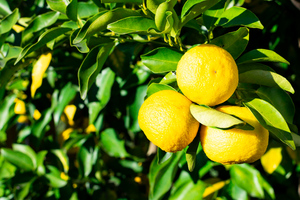
The fragrant yellow fruit is a winter tradition....... Read more
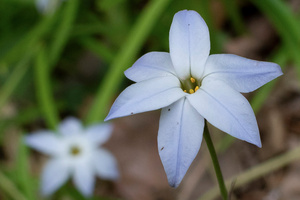
Slender leaves resembling those of garlic chives and white flowers....... Read more