Kentish Plover
| Scientific name | Charadrius alexandrinus |
| English name | Kentish Plover |
| Japanese name | 白千鳥 |
| Class | Aves |
| Order | Charadriiformes |
| Family | Charadriidae |
| Genus | Charadrius |
| Species | alexandrinus |
| Subspecies | --- |
| Full length | about 17cm |
| Distribution | Inhabits all year round south of Honshu |
Characteristics
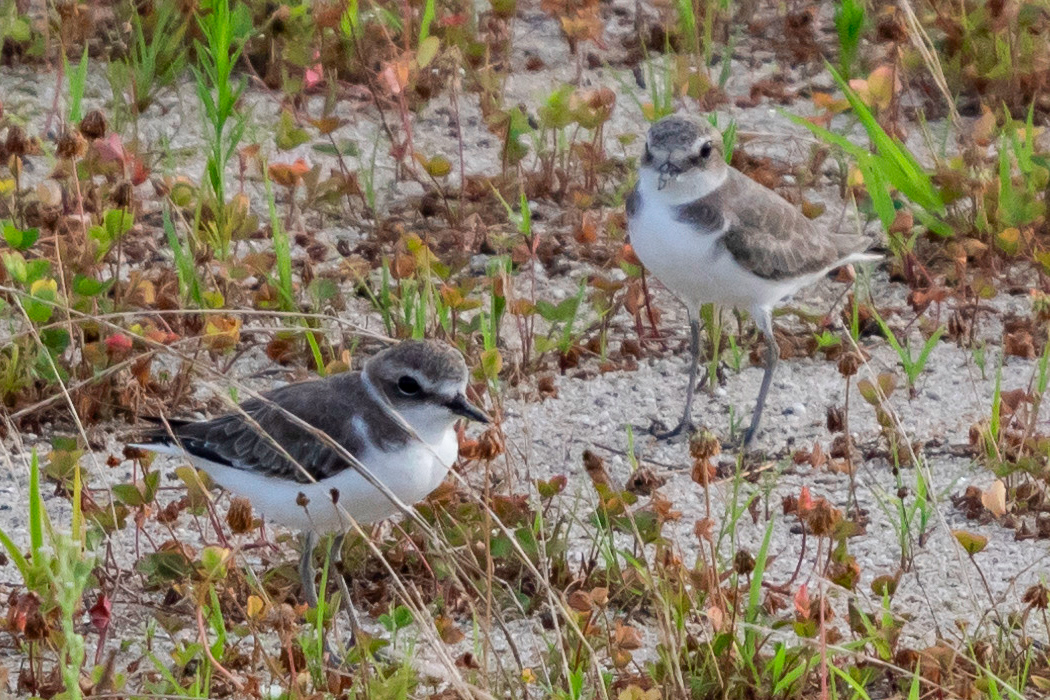
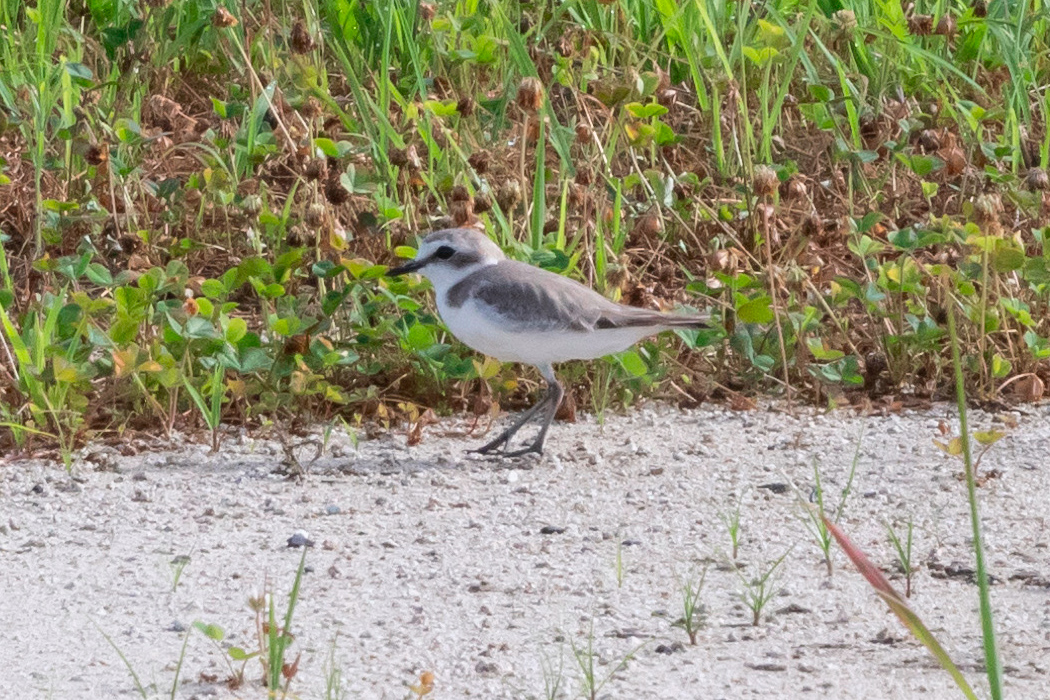
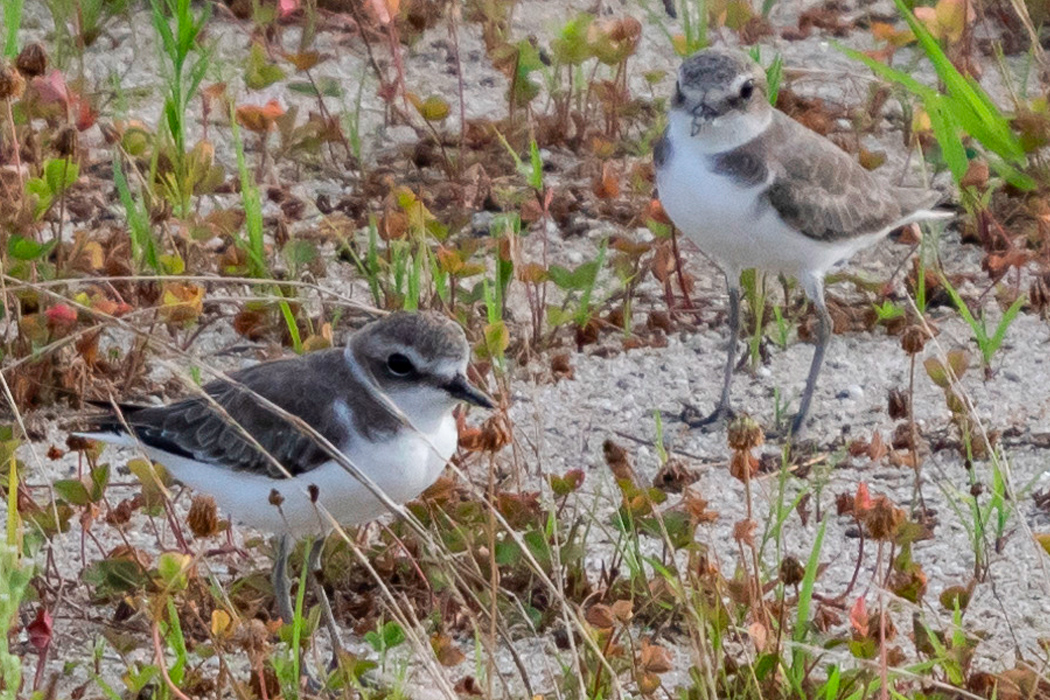
Gray-backed and white-bellied plover. A white band circumnavigates the neck, and the black band on the front of the chest is cut off. A gray eye line runs from the beak to the eyes, and the tops of the eyes are white. The back of the head is dark brown. In summer, males are brown and females are light brown. These colors are thought to be protective colors to assimilate with the surrounding sandy soil.
White plover call
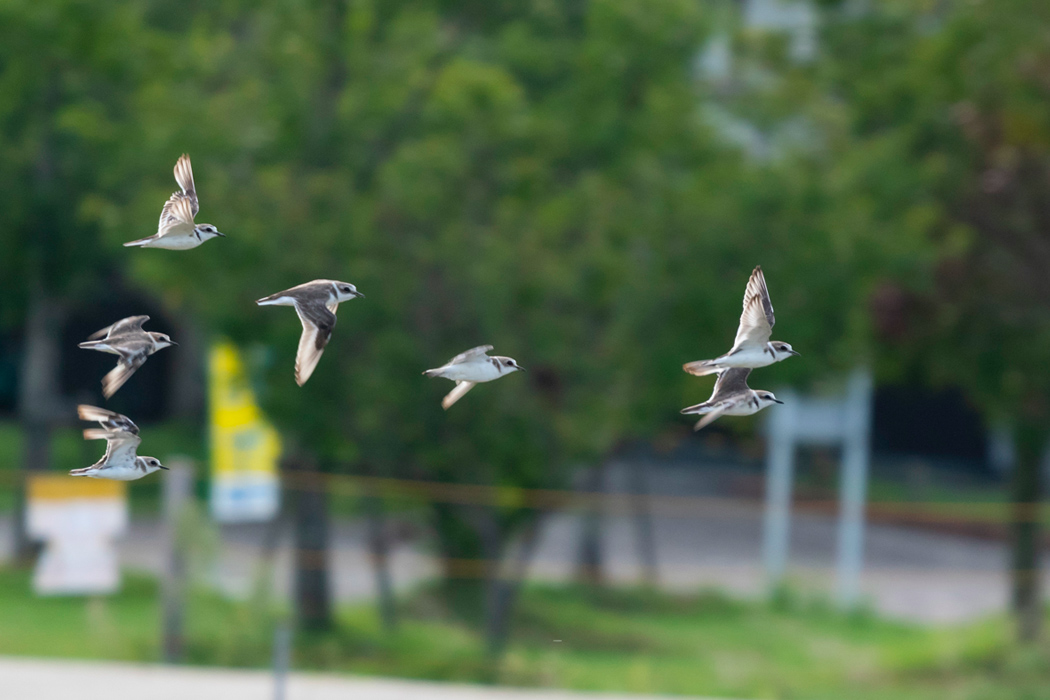
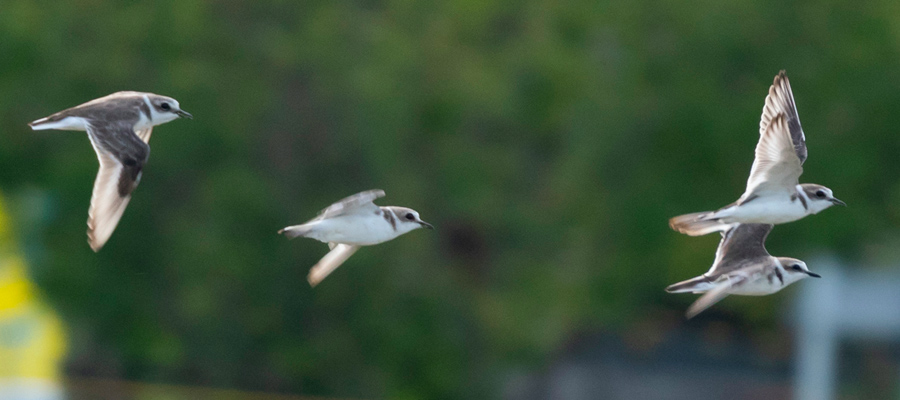
It makes a high-pitched "Pil-Pil-Pil" sound. They also sing when they take off.
Ecology
Inhabit sandy beaches, tidal flats, and riverbeds. It eats lugworms and aquatic insects by trotting. They form flocks of several dozen birds and breed in sandy soil. It digs a little into the ground, lays stones and shells under it, builds a nest, and lays eggs.
When a foreign enemy approaches, it pretends to be injured, called "pseudo-injury". This is to distract attention from the chicks.
Habitat
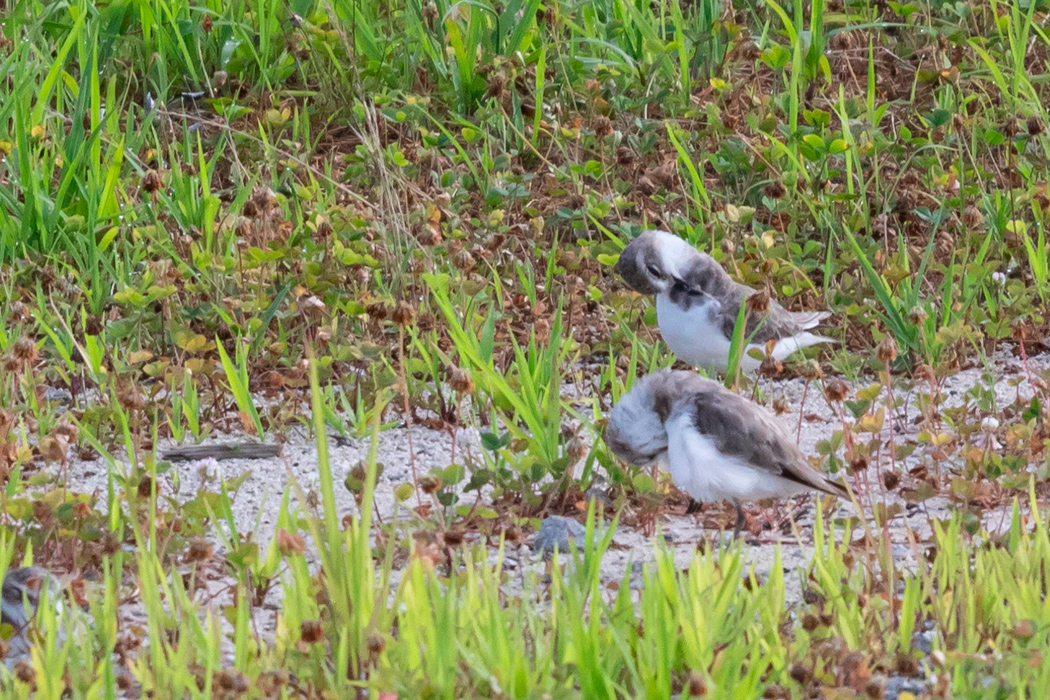
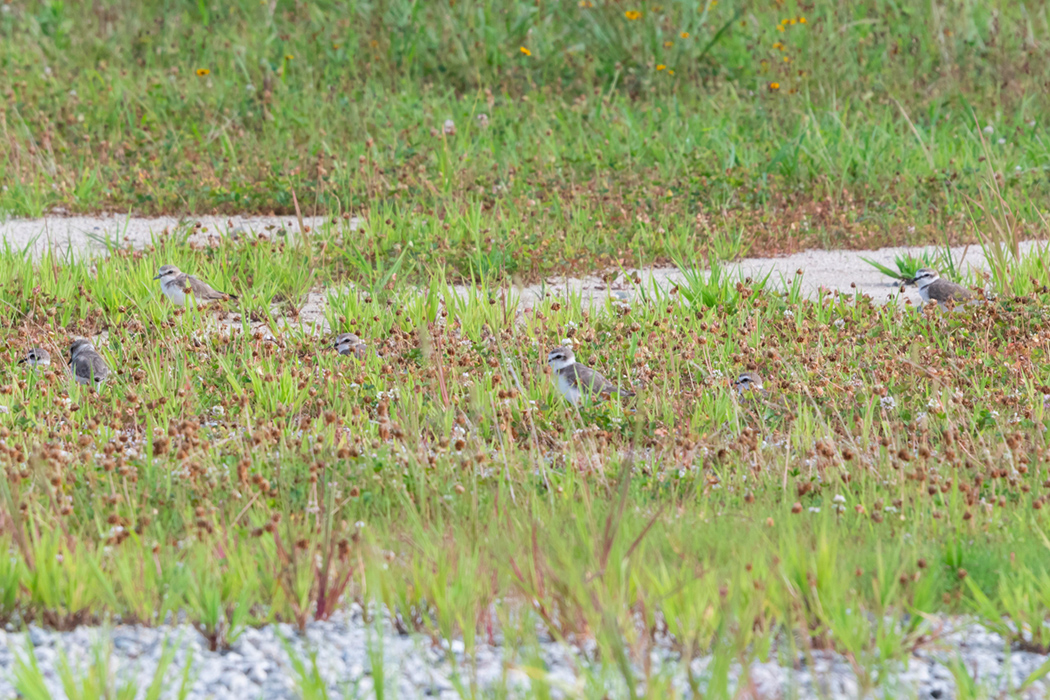
A dozen or so flew to the grass near Higashiyoka tidal flat in Saga prefecture. It was so similar to the color of the ground that I could not see it unless I observed it through a telescope. I had the impression that there were many juvenile birds with pale colors. It didn't seem to notice me, and was preening and relaxing. After a while, it flew off with a cry.
Videos
The video
of the white plover.
It was on the breakwater.
Pictures
Introducing a picture of Kentish Plover.