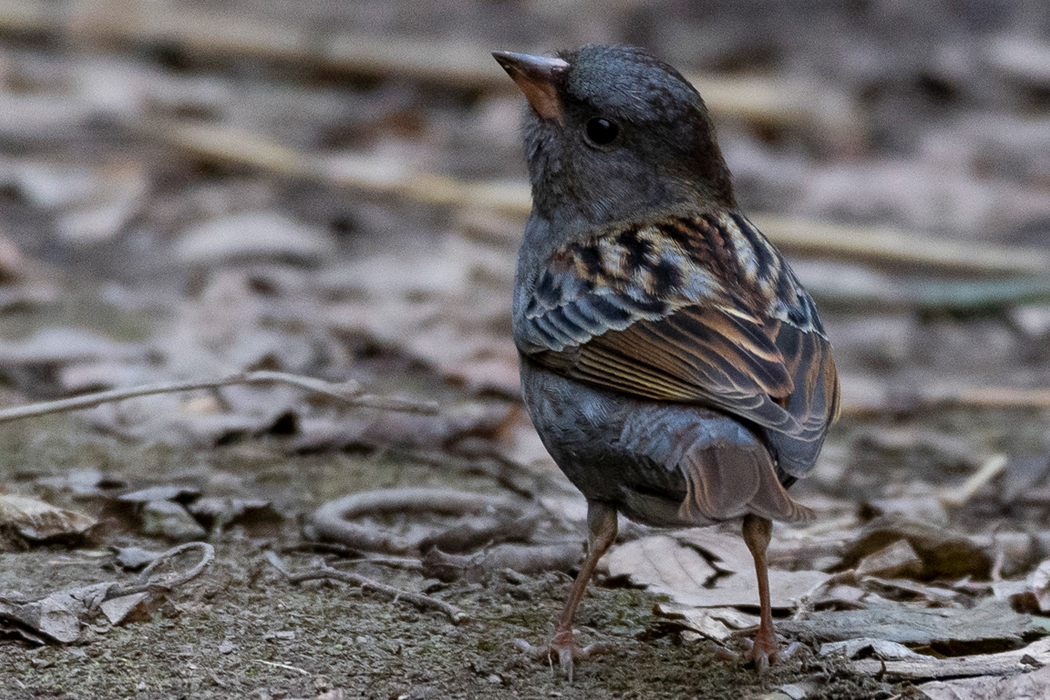
Grey Bunting
| Scientific name | Emberiza variabilis |
| English name | Grey Bunting |
| Japanese name | 黒鵐 |
| Class | Aves |
| Order | Passeriformes |
| Family | Emberizidae |
| Genus | Emberiza |
| Species | variabilis |
| Subspecies | --- |
| Full length | 16-17cm。 |
| Distribution | Eastern Eurasia (northeast). North of central Honshu in Japan. |
Characteristics
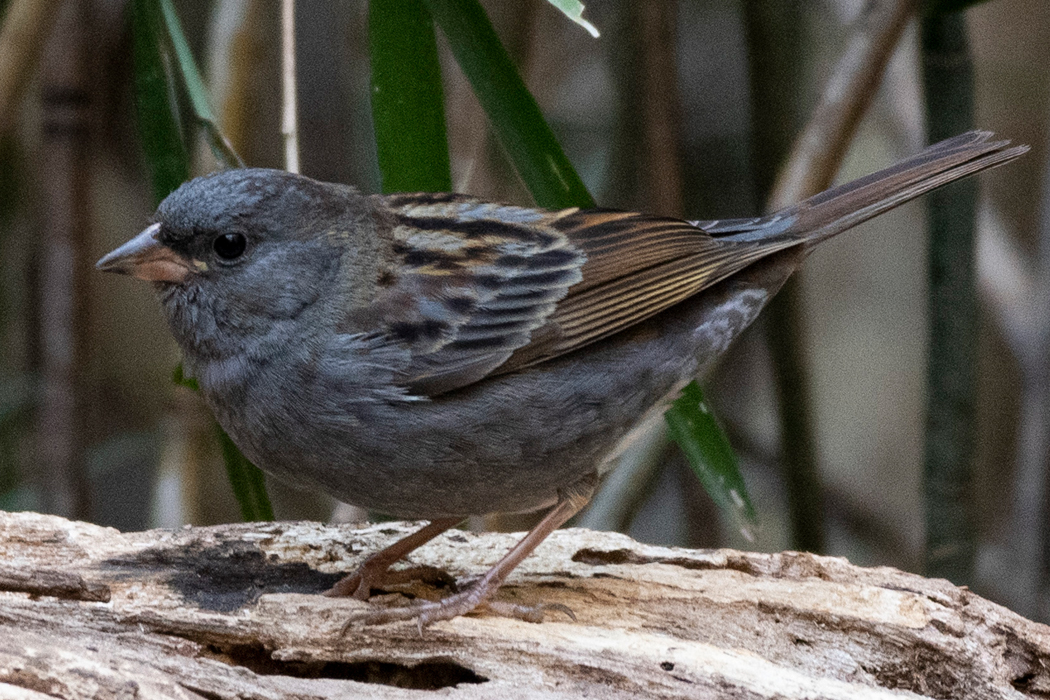
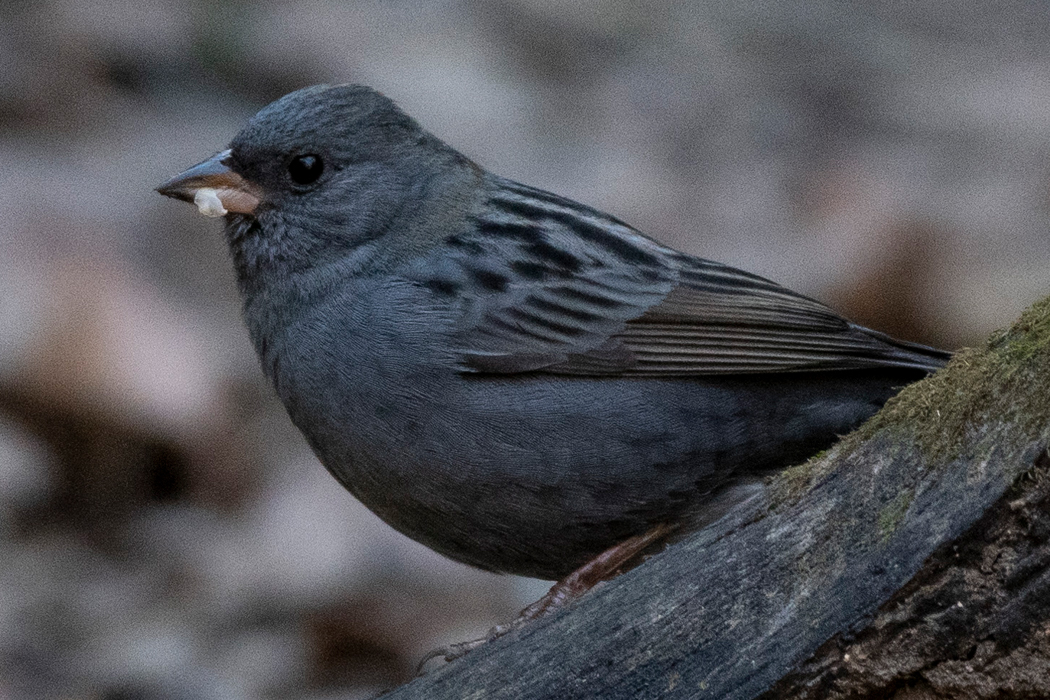
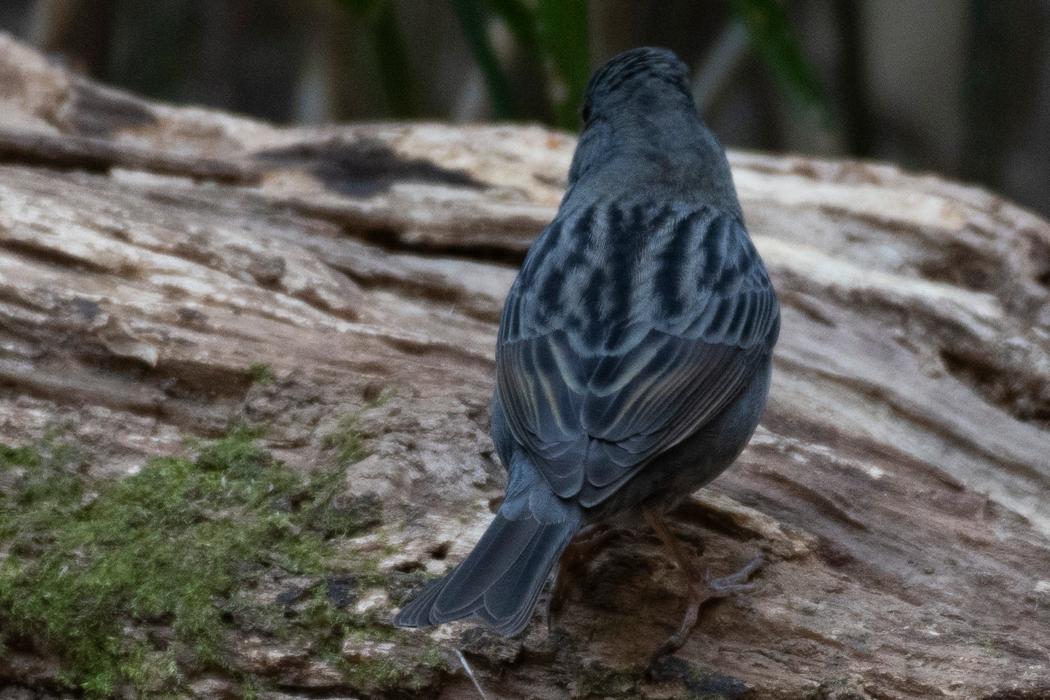
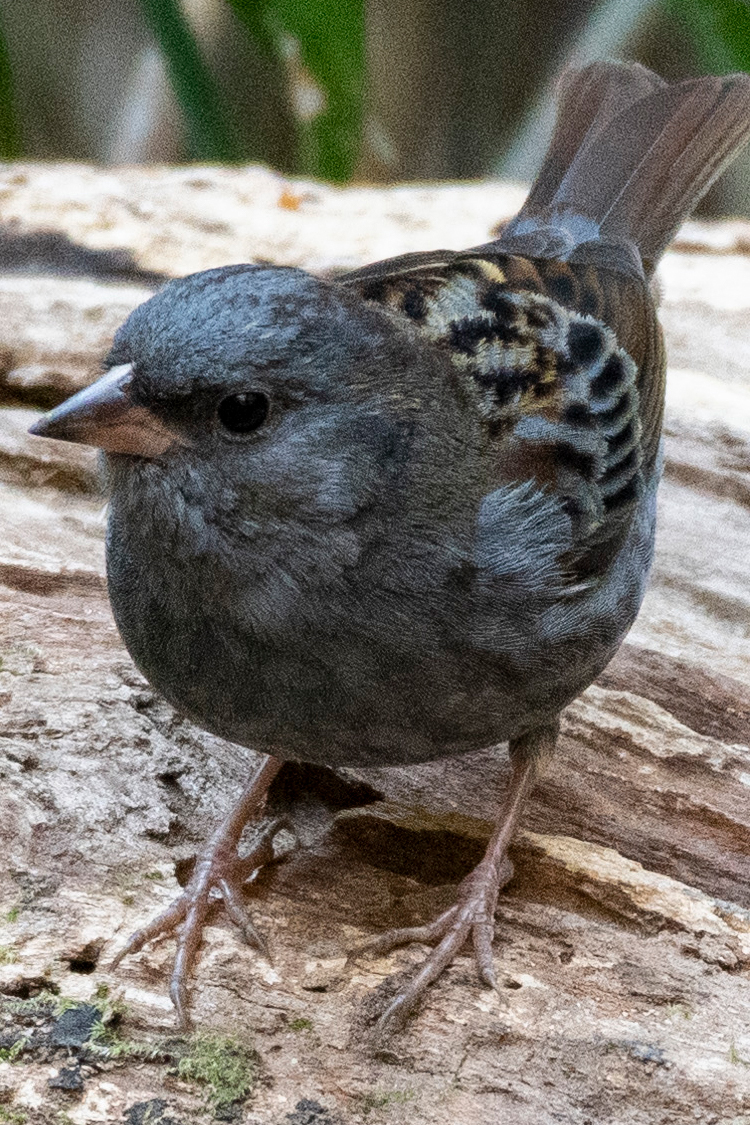
A wild bird of the bunting family that hides in bushes. Males are generally lead colored. The back is covered with brown feathers. The beak is flesh-colored and the tip is dull. The tail feathers are W-shaped like other bunting birds.
Calls
It makes a chirping sound similar to that of blue-green algae. It feels a little sharp.
Ecology
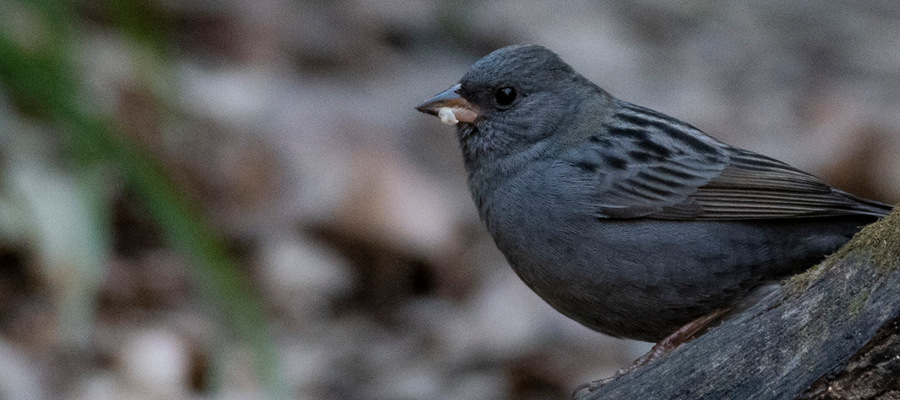
It lives in Japan as a resident bird. It inhabits high mountain forests in summer, but sometimes descends to low mountains in winter. It finds and eats insects and seeds near the ground.
Habitat
Miura Peninsula Sawayama Pond
I changed buses and headed for Sawayama Pond on the Miura Peninsula. Found a small flock foraging in the bushes along the river. As I held my breath and waited, it appeared on the path. It was very cautious and quickly returned to the bushes. I was able to take a picture of him jumping on a fallen tree.
Mt. Imakuma, Hachioji City
You can see it in Mt. Imakuma. May remain on slopes in March or April after winter birds have left. It's dark and difficult to photograph.
Pictures
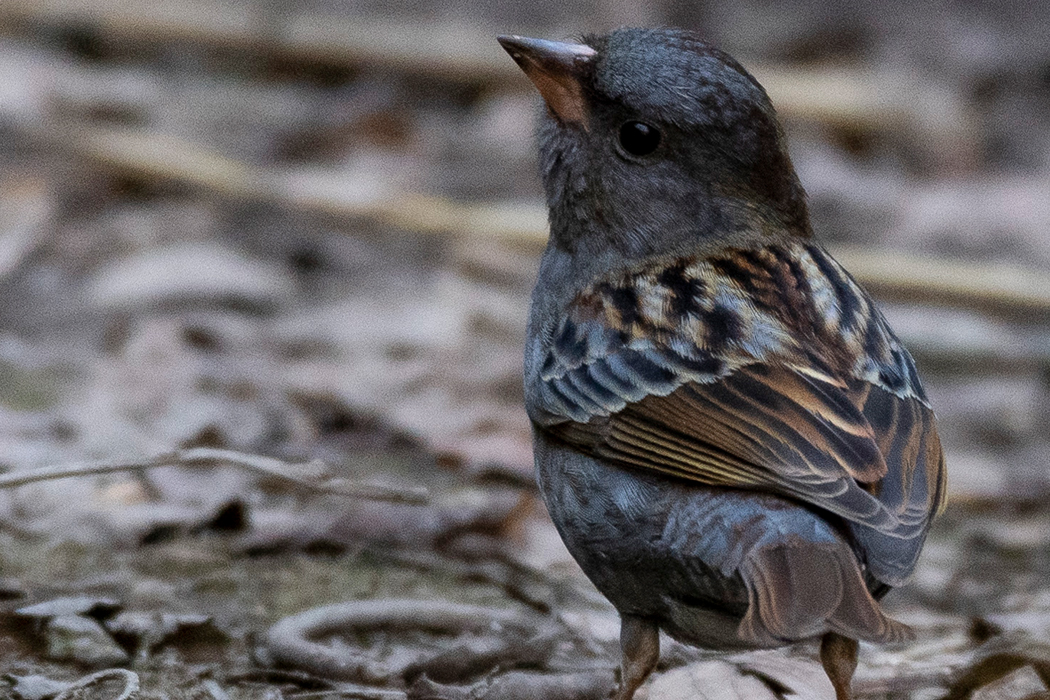
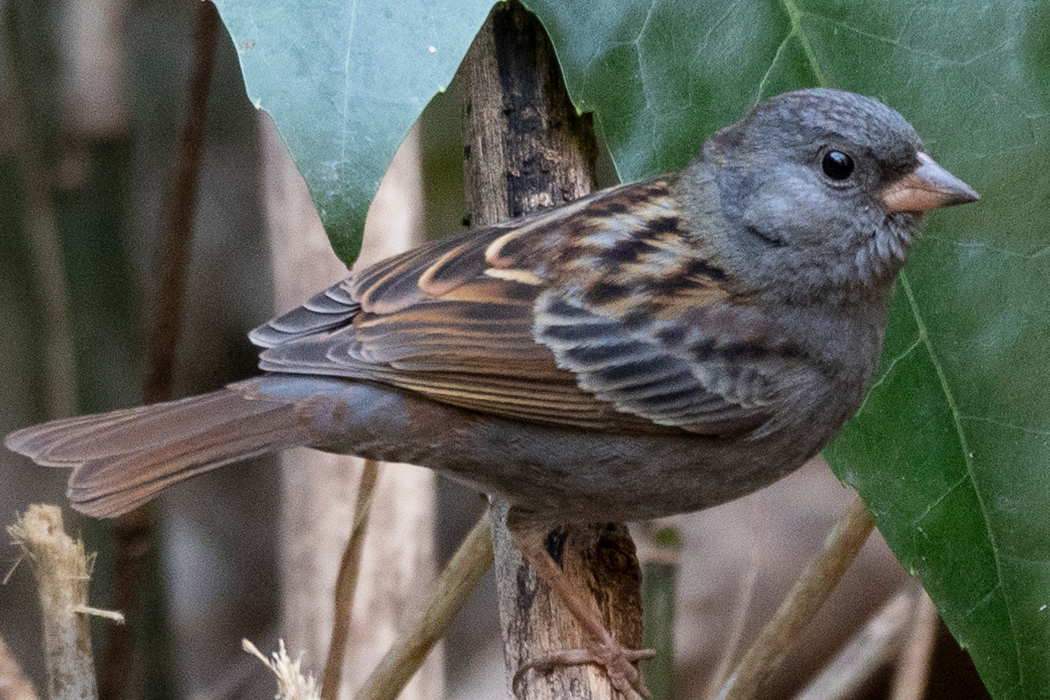
Introducing a picture of Grey Bunting.
Picture book
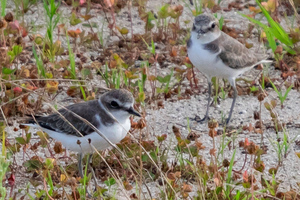
Kentish Plover
hides well in sand...... Read more
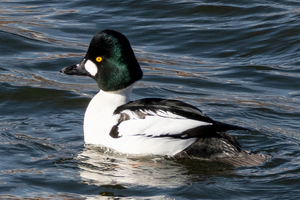
Common Goldeneye
Its Japanese name comes from the white markings on its cheeks....... Read more
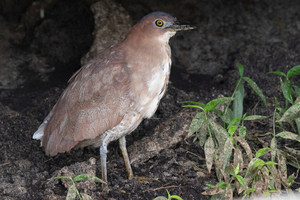
Malaysian night heron
Brown body with black head....... Read more
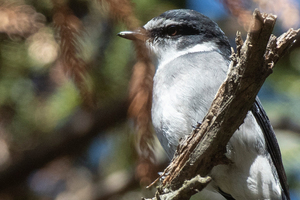
Ashy minivet
The Japanese name comes from the squeaking sound of Hiriri....... Read more