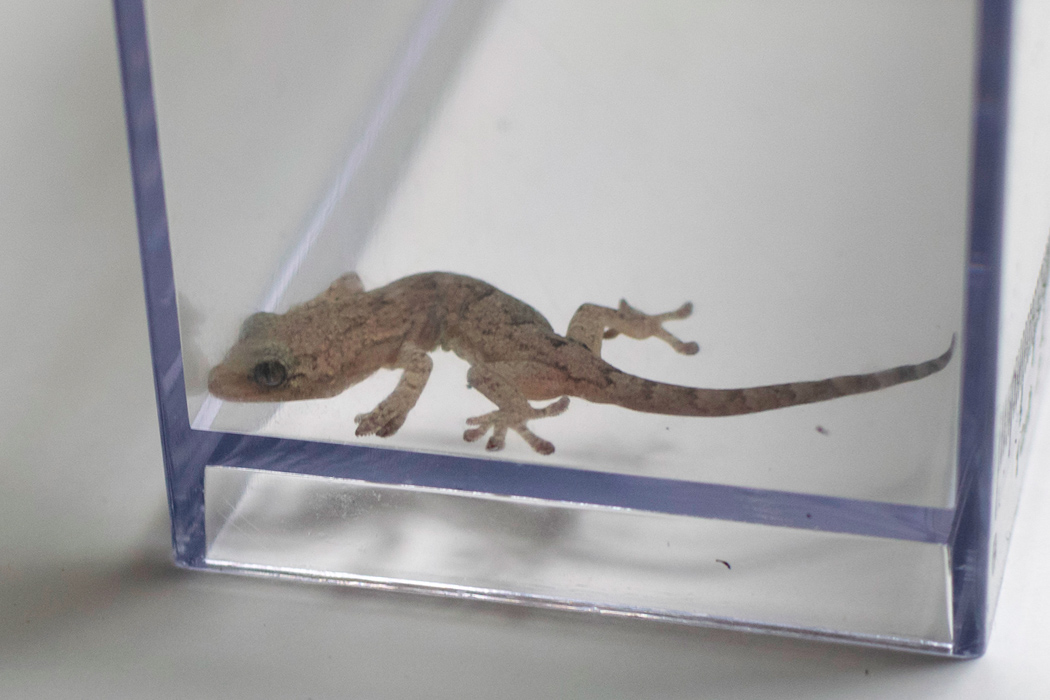
Japanese gecko
Changes body color to match surrounding colors.
| Scientific name | Gekko japonicus |
| English name | Japanese gecko |
| Japanese name | 日本家守 |
| Class | Reptilia |
| Order | Squamata |
| Family | Gekkonidae |
| Genus | Gekko |
| Species | japonicus |
| Full length | 10-14cm |
| Distribution | Throughout Northeast Asia, including Japan. |
Japanese gecko Characteristics and Morphology
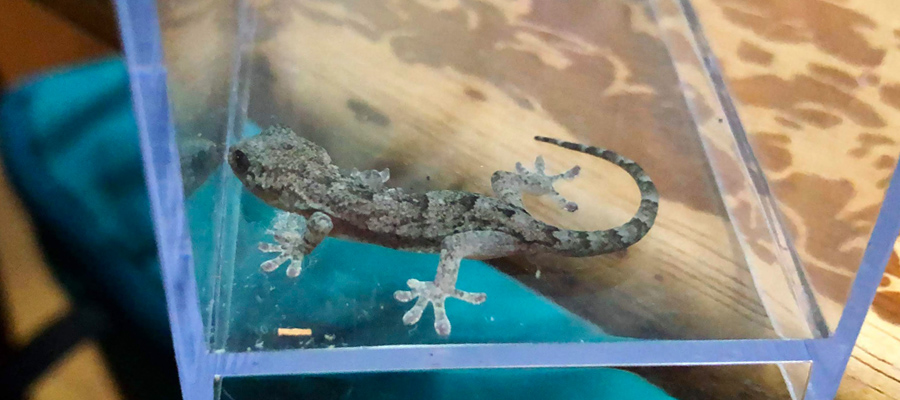
A slightly swollen torso with a slender tail silhouette. Flattened vertically to fit into gaps. The entire body is grayish-brown, and the color changes depending on the environment.
The area from the neck up is slightly swollen, making the head appear large.
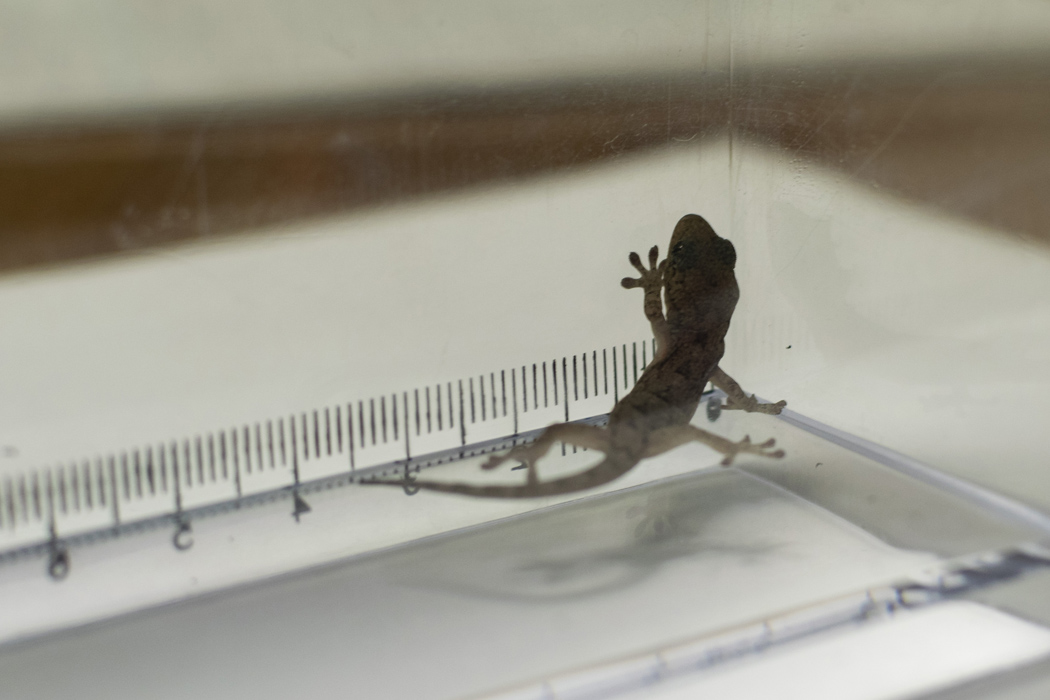
Fine hairs grow on the fingers.
Japanese gecko Ecology
Habitat
Commonly found on the walls of private houses.
Food
Eats harmful insects.
Life Cycle
Breeds in summer, and juveniles are born in autumn.
Japanese gecko Photos
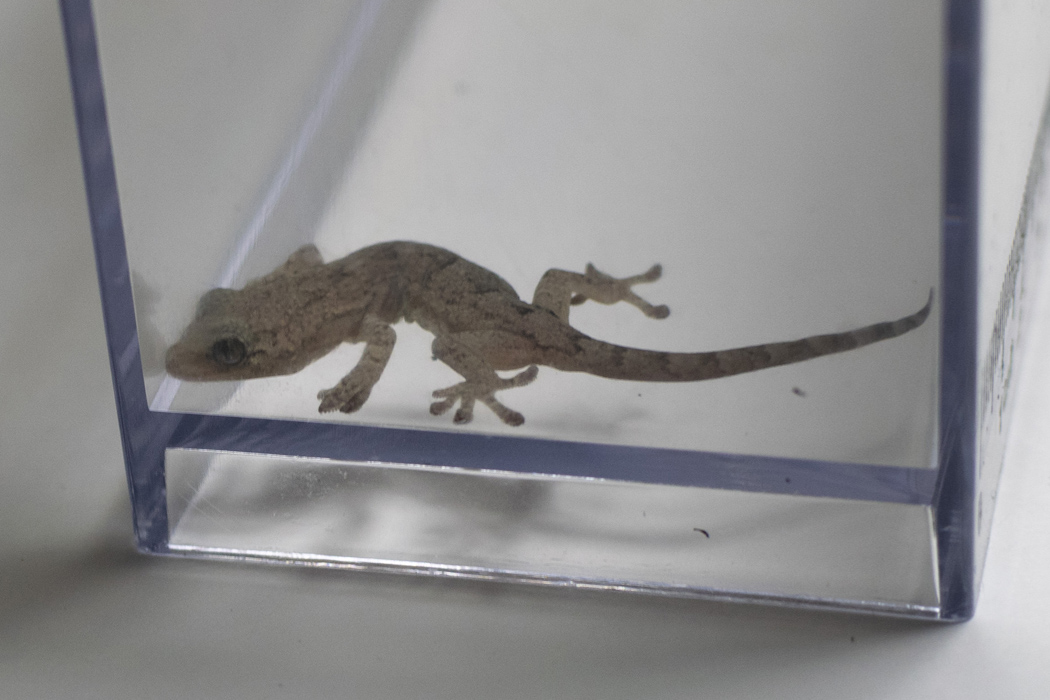
Japanese gecko Photos are introduced.
Tap the photo to open the detail page.
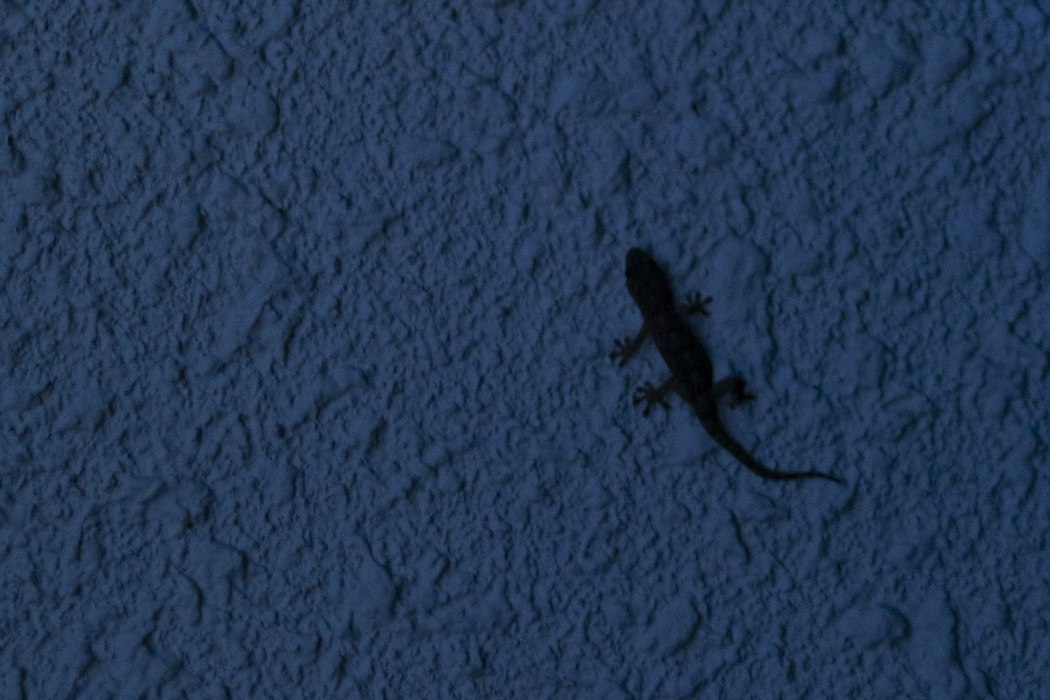
Japanese gecko Behavior
Can adhere to smooth, vertical walls such as glass due to van der Waals force.
Japanese gecko Information
Naming
Although the scientific name includes "japonicus," it is an introduced species. It is called "Iemori" (house guard) because it eats harmful insects.
Japanese gecko Found Locations
Hachiōji, Tokyo
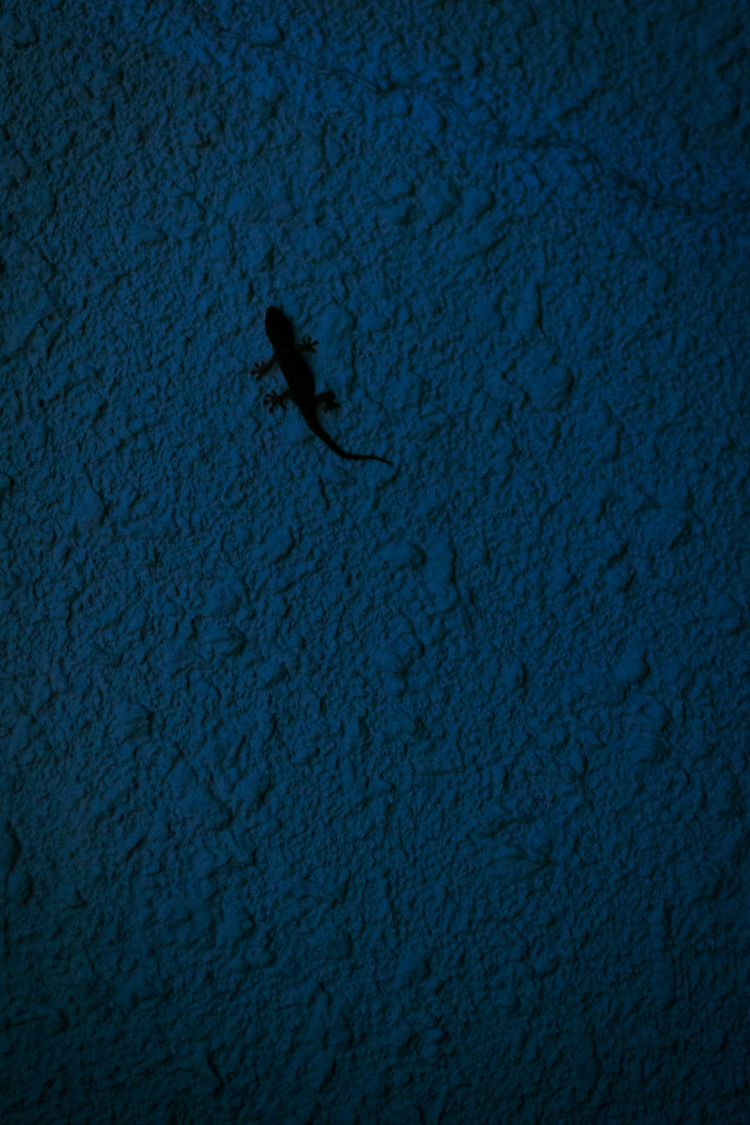
A juvenile Japanese gecko was found clinging to the ceiling of my house. I often see them clinging to the walls of houses and eating moths and other insects that have gathered on the screen doors attracted by the light.
Picture book

Has fine spots on the back....... Read more
The barbels on the lower jaw are likened to an "uncle"....... Read more
A jumping spider found in parks and near houses....... Read more
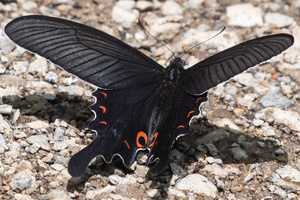
It is characterized by thin black wings and a red patch on the hind wings....... Read more
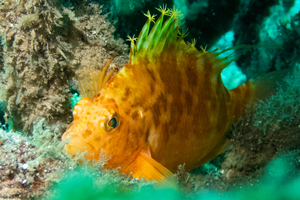
The tip of the dorsal fin spine is open....... Read more

long and big beak...... Read more