Pale grass blue
A butterfly that can be seen even in urban areas
| Scientific name | Zizeeria maha |
| English name | Pale grass blue |
| Japanese name | 大和小灰蝶 |
| Class | Insecta |
| Order | Lepidoptera |
| Family | Lycaenidae |
| Genus | Zizeeria |
| Species | maha |
| Full length | 9-16mm |
| Distribution | Honshu and southward |
Pale grass blue Characteristics and Morphology
The wingspan is less than 2cm. The color of the wing surface differs between males and females. The color changes with the seasons, and the ground color of gray approaches black when the temperature drops.
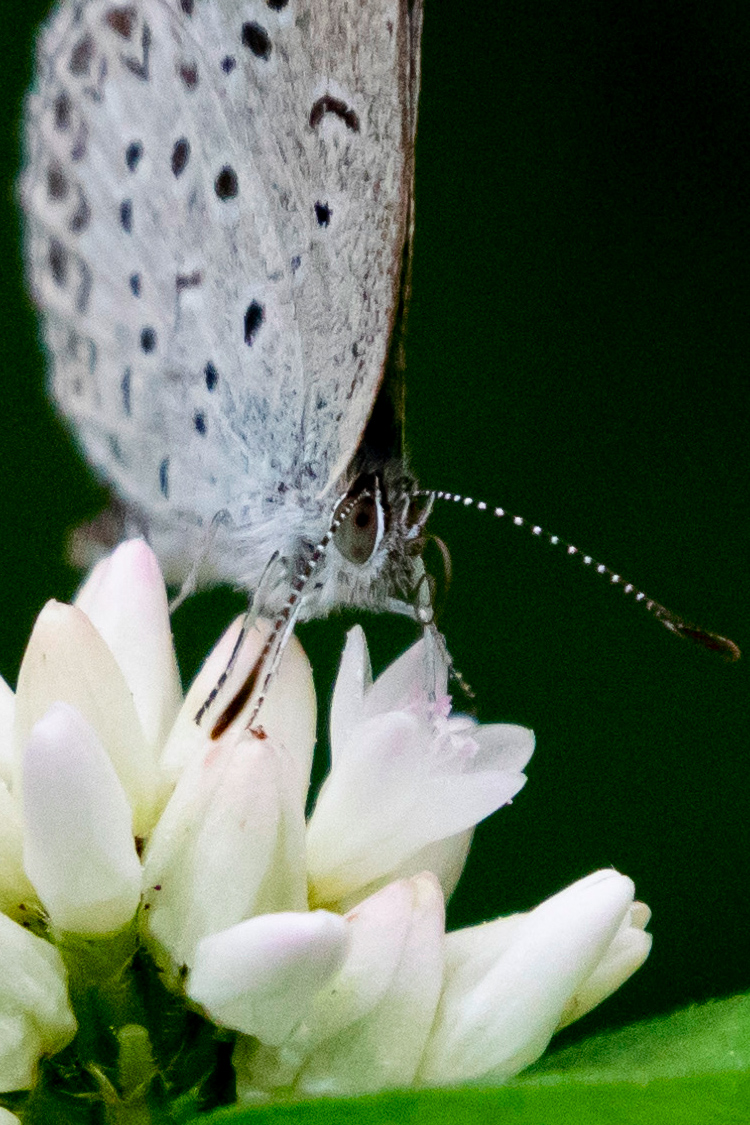
The head is gray. The tips of the antennae are slightly swollen.
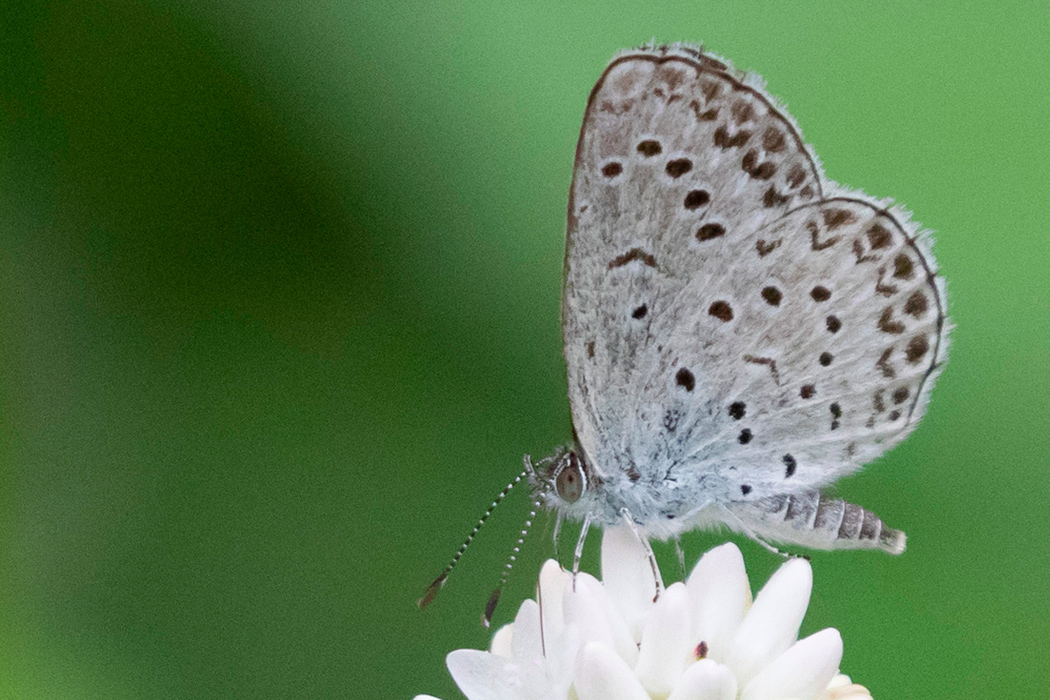
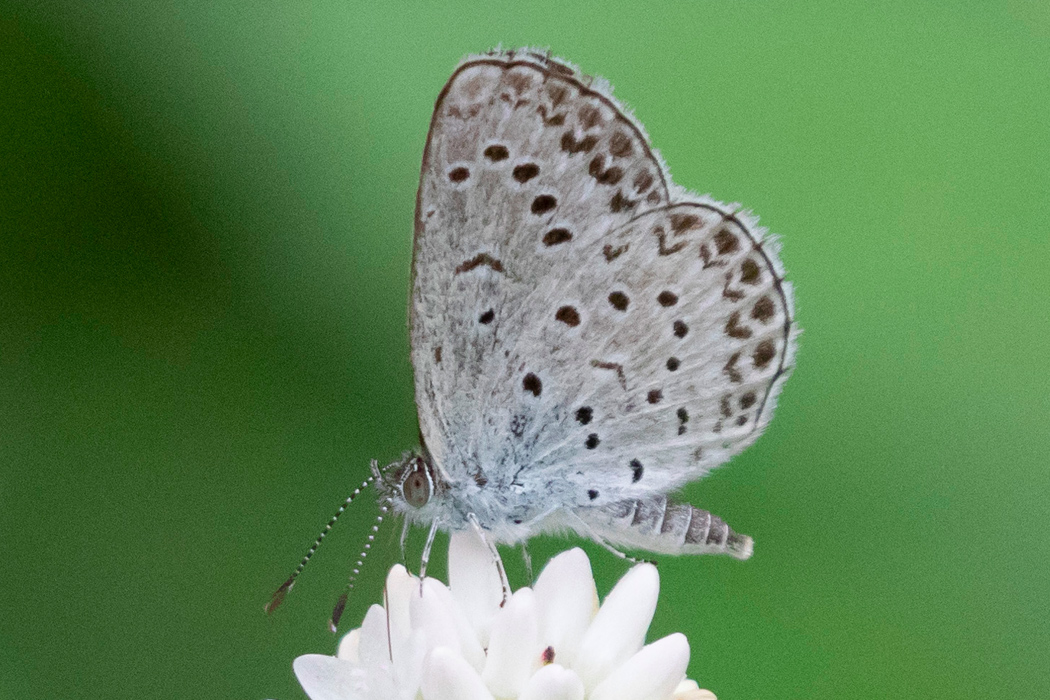
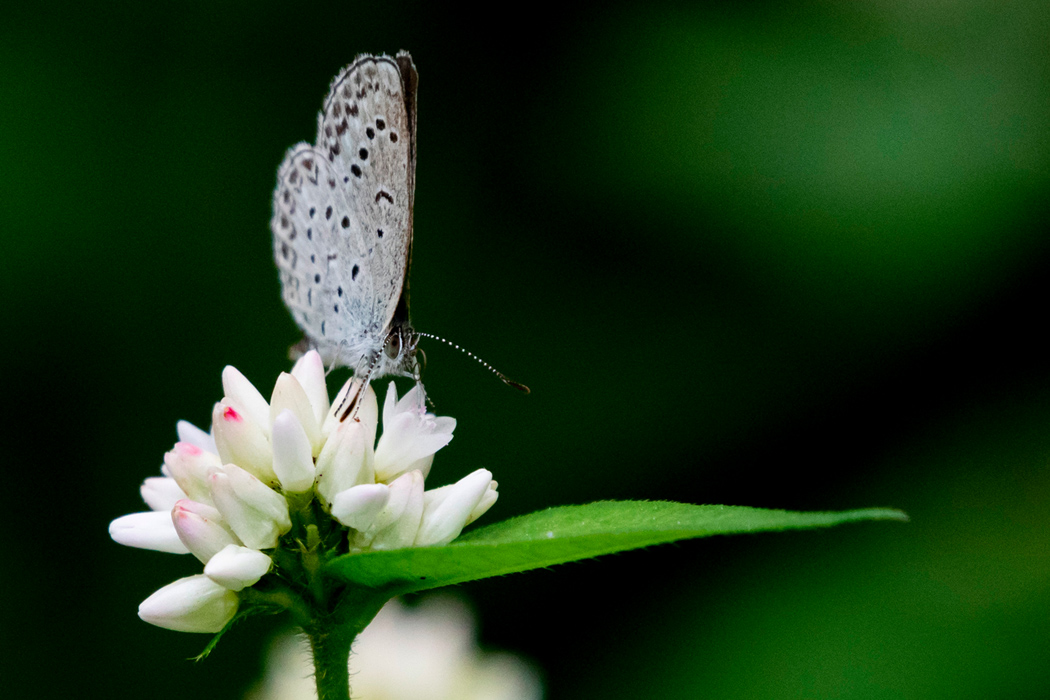
The underside of the wings is light gray with brown spots. There are two rows of markings along the edge of the wings. Both the forewings and hindwings have a small "く"-shaped pattern in the center. The surface differs between males and females.
Male
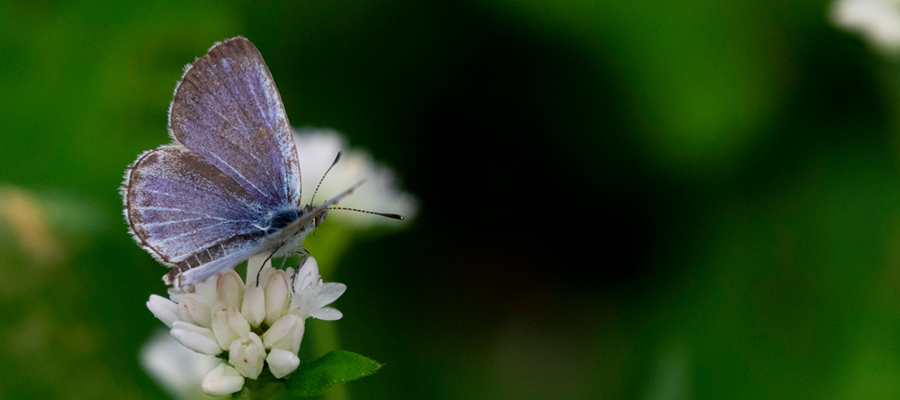
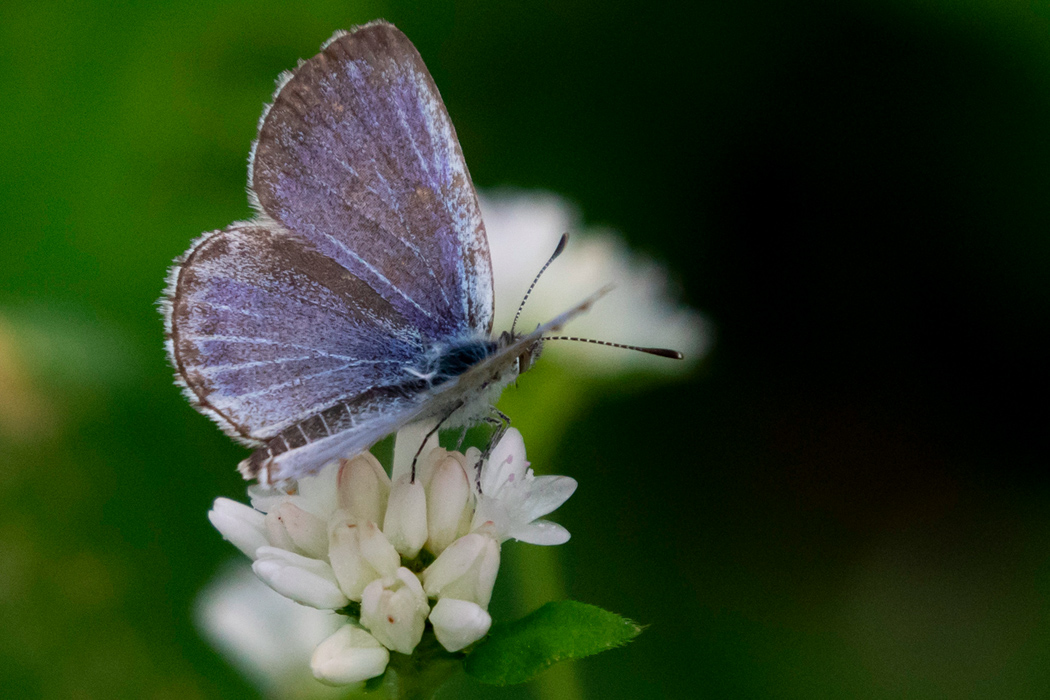
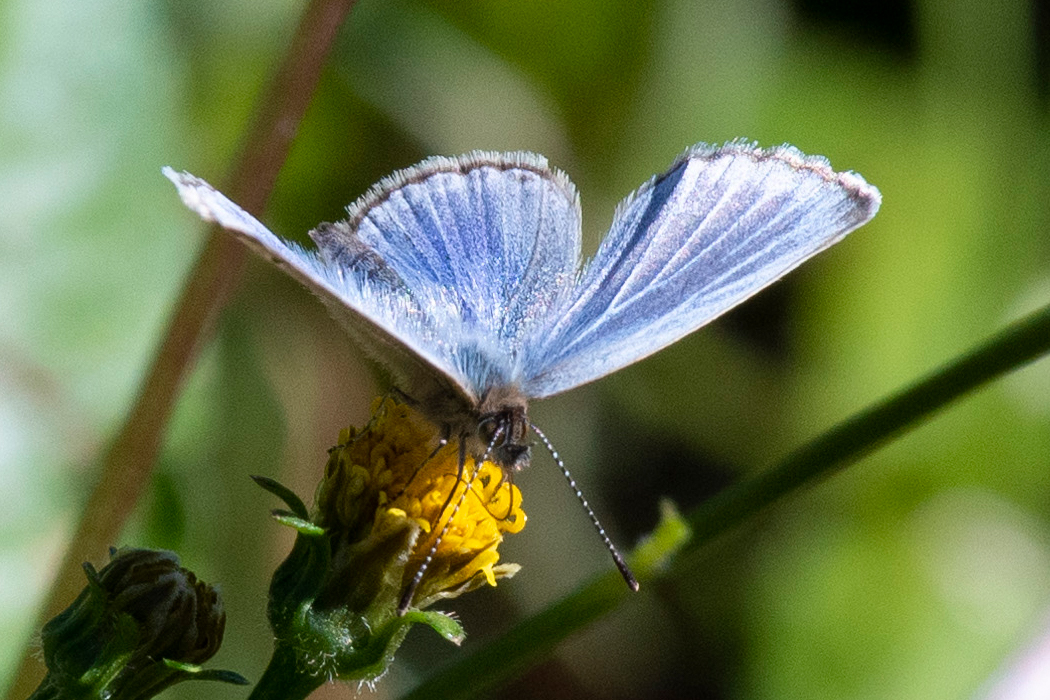
The upperside of the wings is bluish on a grayish ground close to black. It has a glossy color.
Female
Compared to males, the overall color is darker.
The upperside of the wings is brownish.
Pale grass blue Ecology
Habitat
It inhabits roadsides and cultivated land in flatlands. It can occur even in urban areas as long as the host plant, Oxalis corniculata, is present.
Food
The larvae feed on the leaves of Oxalis corniculata. Adults suck the nectar of low-growing flowers.
Life Cycle
The larvae hatch in 5-6 days and become adults after a larval period of about 2 weeks and a pupal period of about 6 days. Enemies include clouds and mantises.
Pale grass blue Photos
Pale grass blue Photos are introduced.
Tap the photo to open the detail page.
Pale grass blue Information
Naming
The specific name "maha" comes from a Sanskrit word meaning "large." This is related to the fact that Kollar, who described this species, judged the individuals collected in India to be larger compared to other species.
A common lycaenid butterfly.
Pale grass blue Found Locations
Katakurajō跡 Park, Hachiōji
I photographed it flying around in Katakurajō跡 Park in Hachiōji. The wind was blowing, and it often closed its wings, so I had to wait for a while to observe the upperside of the wings. When the wind calmed down a little, it gently opened its wings, so I was able to photograph the deep blue color of the upperside.
It is a common sight to see Zizeeria maha along the roadside, but if you observe it carefully, the rows of patterns lining the edges of the wings look quite stylish.
Pale grass blue Observation Log
These are the observation logs where we found Pale grass blue.
Picture book
Caudal fin screaming....... Read more
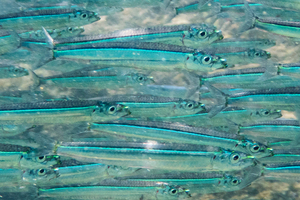
big-eyed sardines....... Read more
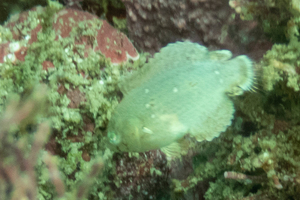
The juvenile fish swims back and forth like a piece of seaweed....... Read more
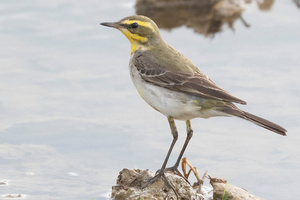
Distinctive yellow eyebrows....... Read more
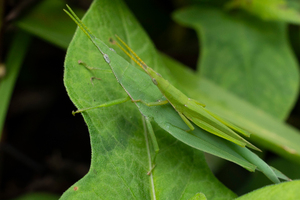
The female appears to be piggybacking the male....... Read more
It features a bright head called "Akapoppo"....... Read more