Japanese giant flying squirrel
Glides through the air like a glider.
| Scientific name | Petaurista leucogenys |
| English name | Japanese giant flying squirrel |
| Japanese name | 鼯鼠 |
| Class | Mammalia |
| Order | Rodentia |
| Family | Sciuridae |
| Genus | Petaurista |
| Species | leucogenys |
| Full length | 25-50cm (excluding tail) |
| Distribution | Honshu, Shikoku, Kyushu |
Japanese giant flying squirrel Characteristics and Morphology
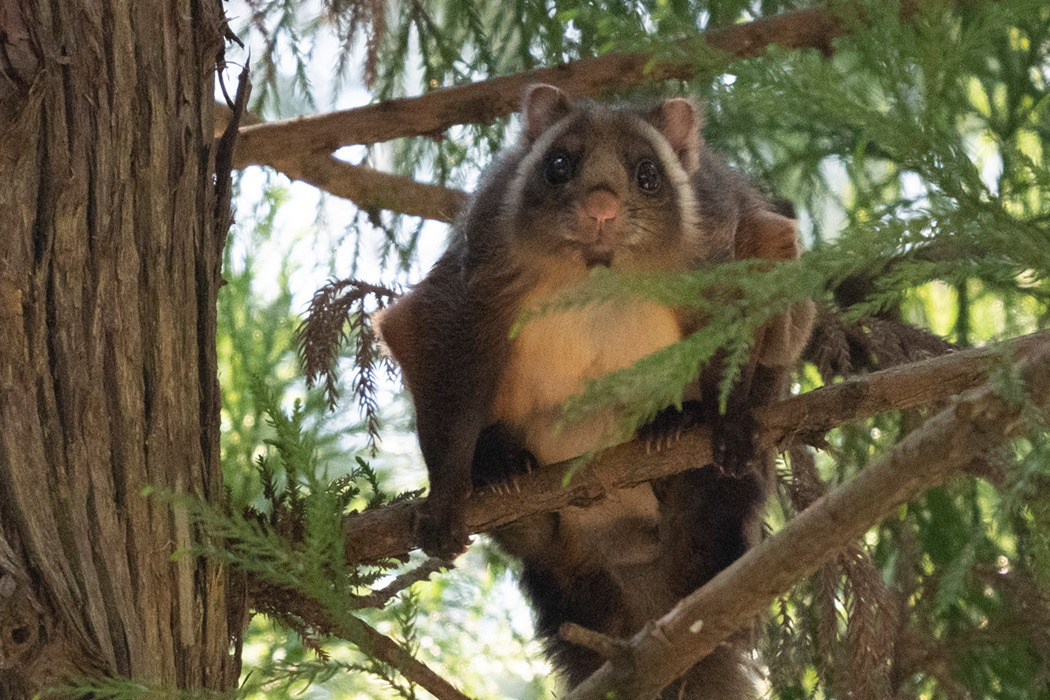
The entire body is brown, reaching about 50cm in length excluding the tail. Seeing one in person, it feels quite large.
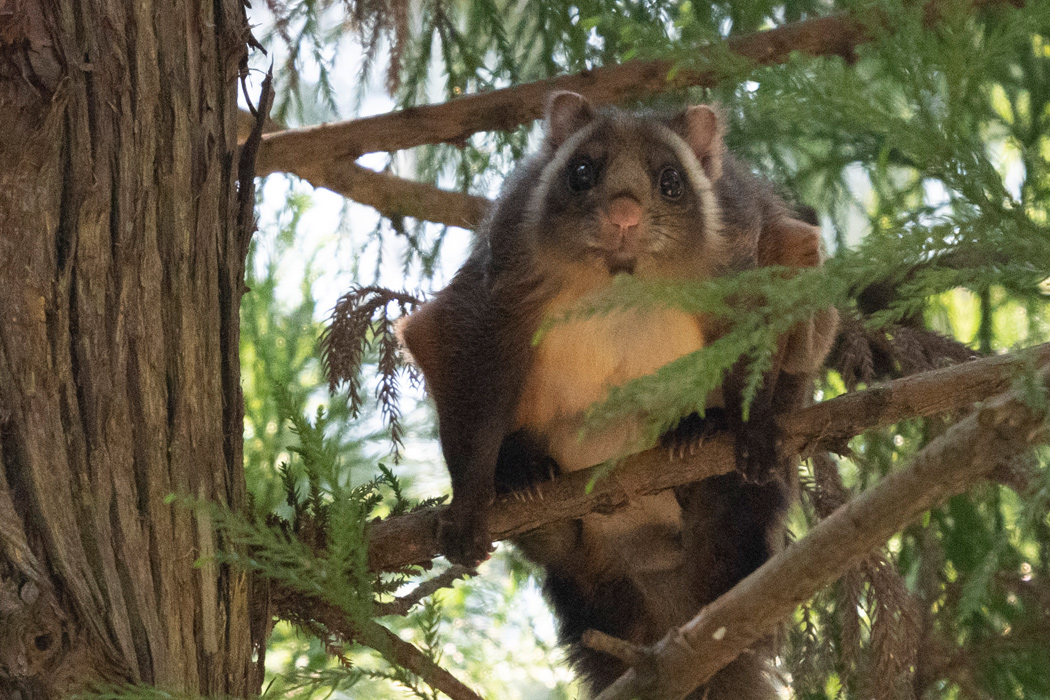
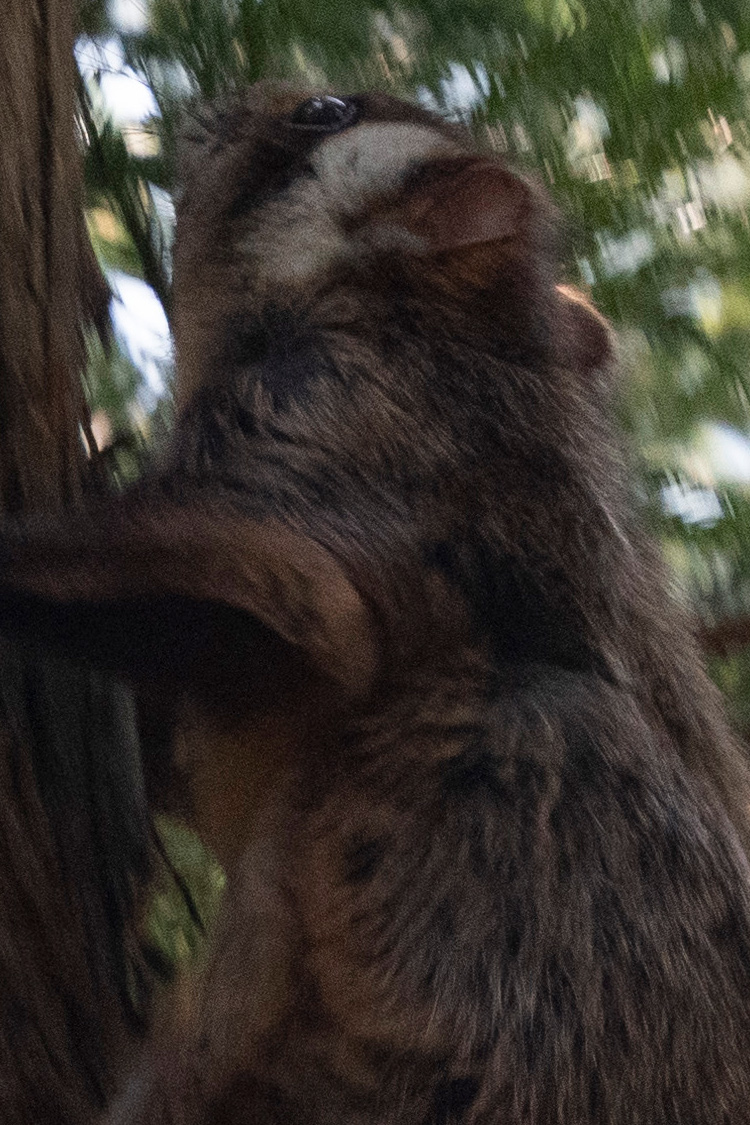
It has a squirrel-like face with large eyes. On the brown face, there is a line of white fur extending from the ears to the neck. The ears are small with rounded curves. The dark, round eyes are very expressive. The tip of the nose is pink.
The dorsal side of the body is brown, while the belly is whitish. It has a patagium (flight membrane) between its limbs for gliding. It possesses sharp claws.
The tail length can exceed 30cm.
Both the Giant Flying Squirrel (Musasabi) and the Flying Squirrel (Momonga) are gliding mammals that look very similar. Before seeing a Musasabi in person, even the author was unsure about the distinction. The major difference is size; Musasabi can grow up to 50cm, whereas Momonga is only about 20cm. Finer differences include the fact that the Musasabi's membrane is only between the front and back legs, and it has white patches on the sides of its face.
Japanese giant flying squirrel Ecology
Habitat
Inhabits forests ranging from mountainous regions to areas near human settlements.
Food
Nocturnal; feeds on fruits and buds high in trees. They prefer tall trees in shrines and temples that have tree hollows for nesting. They live almost entirely in trees and do not forage on the ground.
Japanese giant flying squirrel Photos
Japanese giant flying squirrel Photos are introduced.
Tap the photo to open the detail page.

Japanese giant flying squirrel Behavior
It glides from tree to tree like a glider using the flight membrane between its front and back limbs. By spreading the membrane that is usually folded, it can travel over 120m through the air. Along with the Japanese Dwarf Flying Squirrel, it is an endemic species to Japan.
Japanese giant flying squirrel Information
Naming
The scientific name "leucogenys" means "white cheek," referring to the white fur around the face.
Japanese giant flying squirrel Found Locations
Cedar tree in Hachioji City, Tokyo
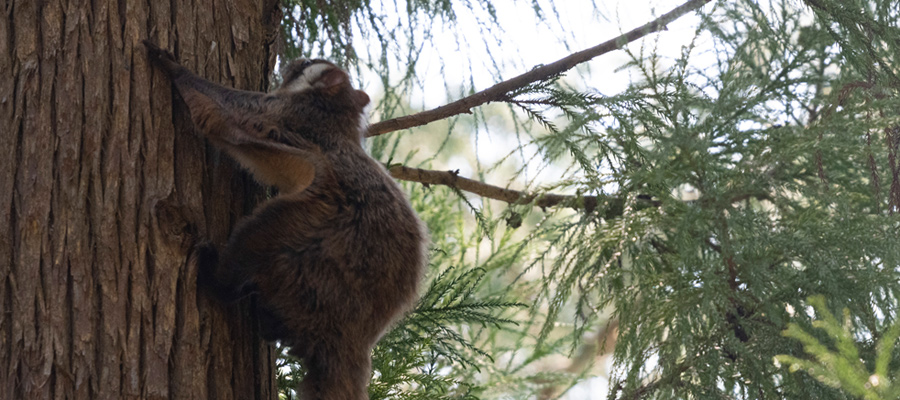
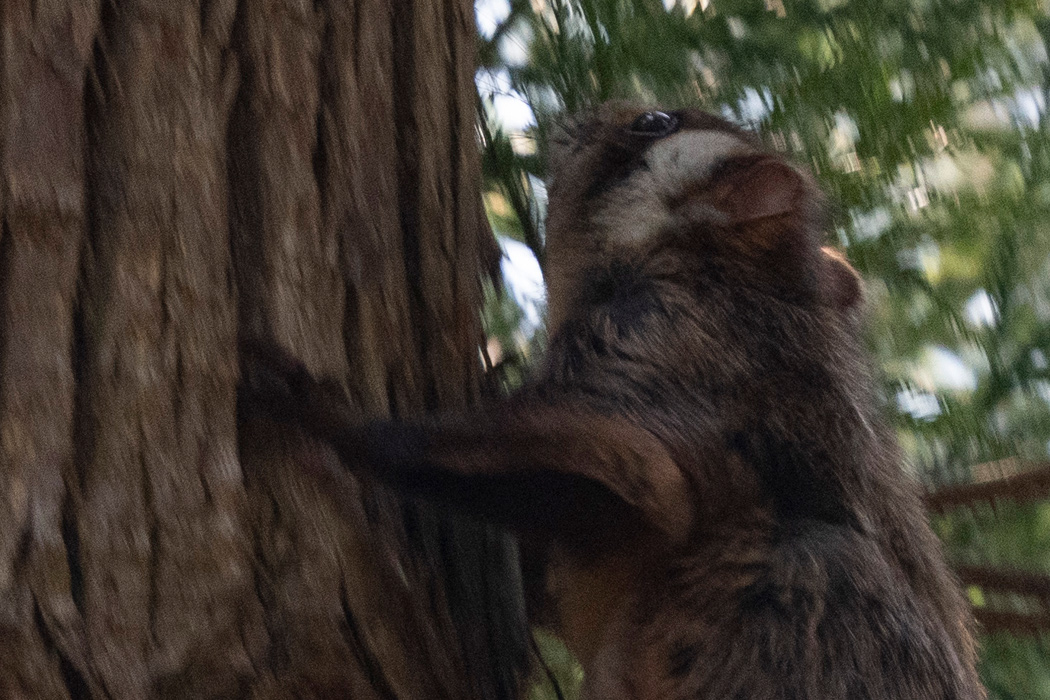
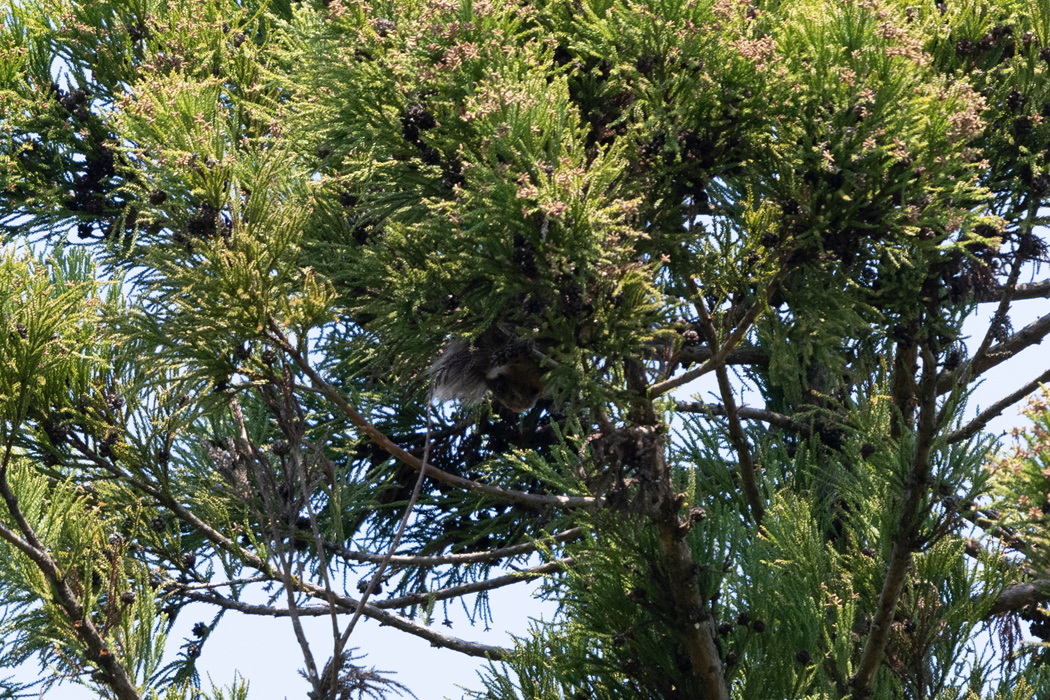
I wasn't looking for a giant flying squirrel; I was actually trying to take a photo of a Grey Wagtail walking on the ground. Suddenly, there was a loud "thud," and when I looked up, a long, brown creature was clinging to a cedar tree about 3 meters above the ground. The creature, which had a squirrel-like silhouette, nimbly climbed another 2 or 3 meters, gripped a side branch, and looked back at me.
It was only when it stopped moving that I realized it wasn't just any squirrel. Since my understanding of the difference between a Musasabi and a Momonga was vague at the time, my immediate thought was "It's a Momonga!" and I scrambled to take a photo.
After a while, it climbed near the top of the cedar tree and hid itself in a position that was difficult to see from below.
Picture book
Buries nuts such as acorns in the ground to "cache" food....... Read more
long and big beak...... Read more
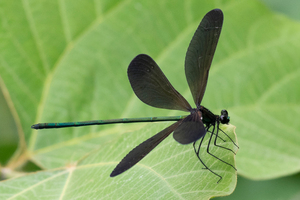
Also known as the "Hoso-hoso Dragonfly" (Slender Dragonfly)....... Read more
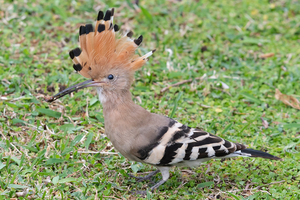
Derived from the fact that the spread crest feathers look like eight heads....... Read more
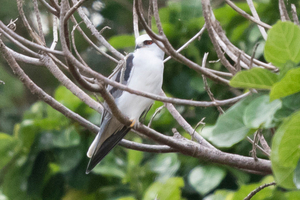
White body with red irises....... Read more
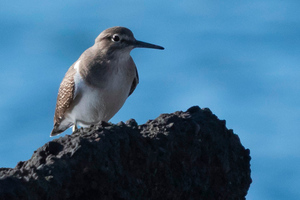
characterized by a high-pitched cry...... Read more