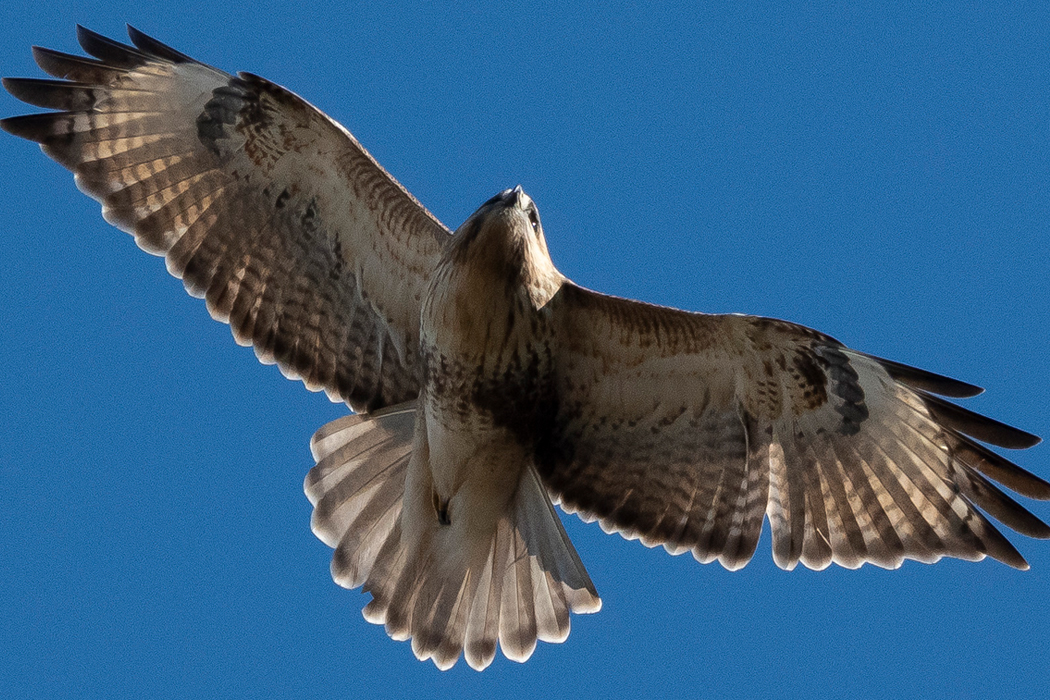
Eastern Buzzard
Named for its gliding behavior close to the ground.
| Scientific name | Buteo japonicus |
| English name | Eastern Buzzard |
| Japanese name | 鵟 |
| Class | Aves |
| Order | Accipitriformes |
| Family | Accipitridae |
| Genus | Buteo |
| Species | japonicus |
| Full length | Approximately 50-60cm. Wingspan exceeds 1m. |
| Distribution | Central to Eastern Eurasia. |
Eastern Buzzard Characteristics and Morphology
A raptor slightly smaller than a Black Kite (Milvus migrans). Females are slightly larger than males.
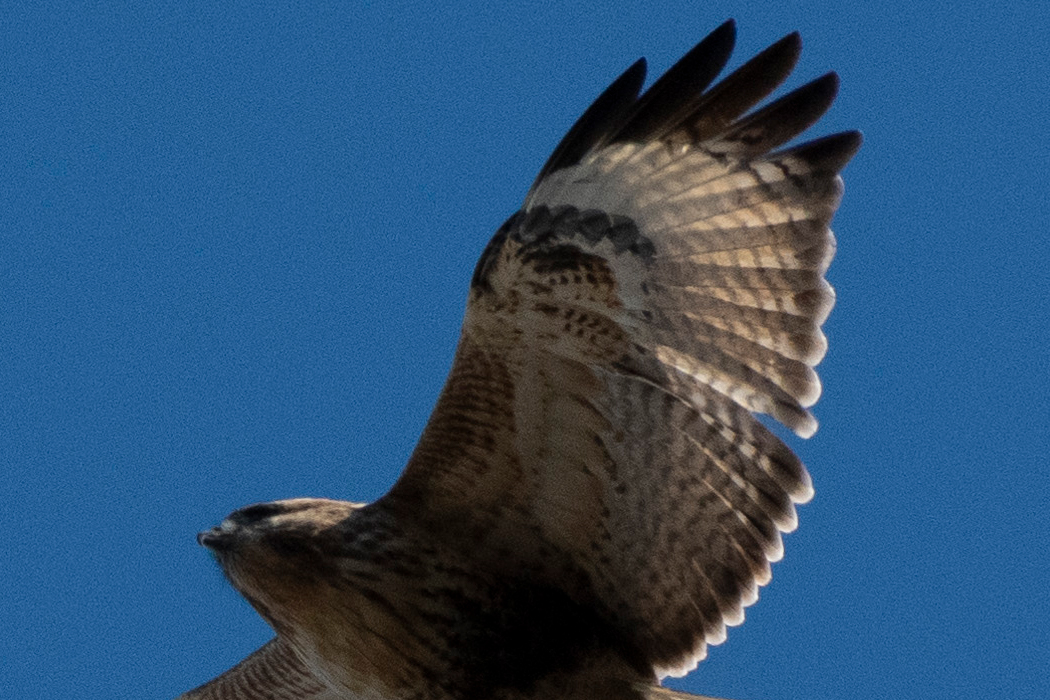
The head is brown with a sharp, black beak. The cheeks are somewhat whitish.
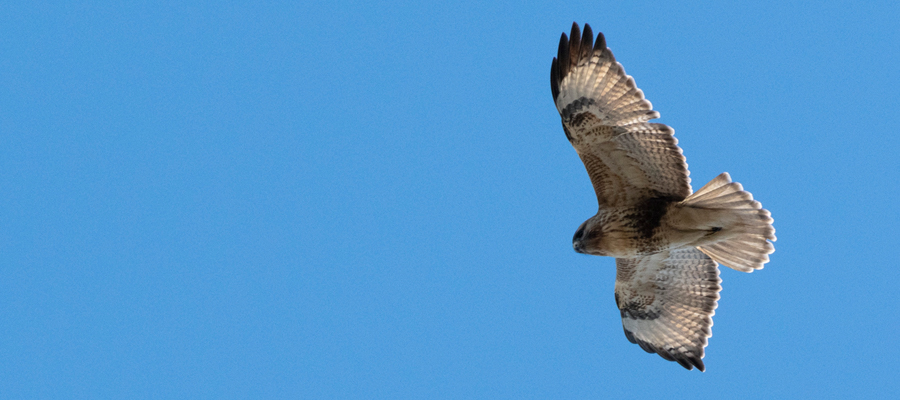
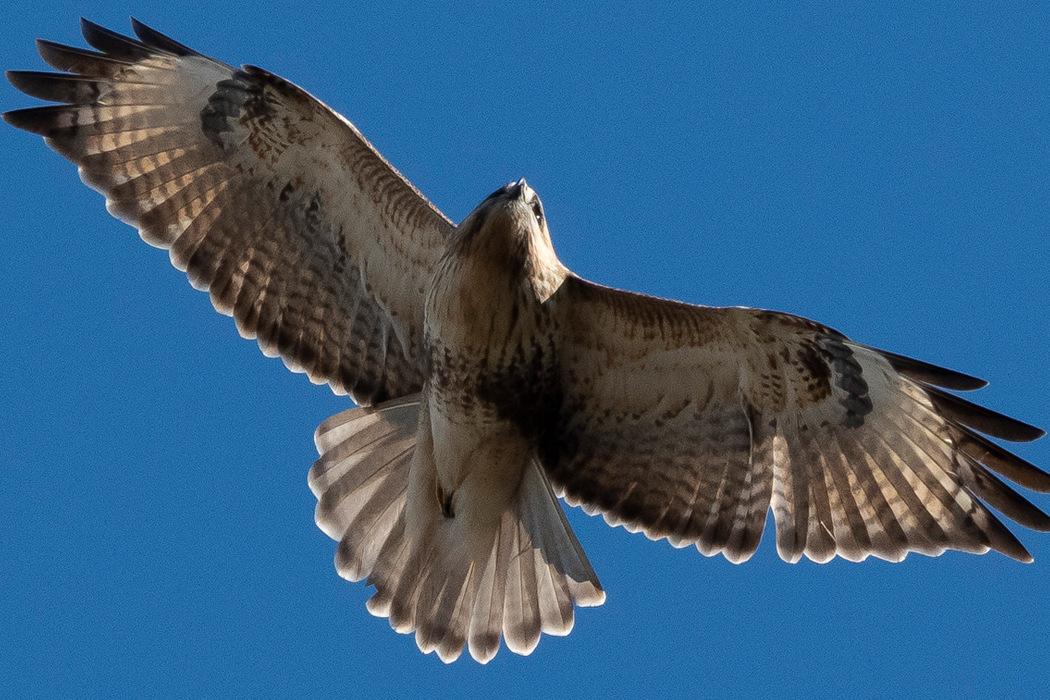
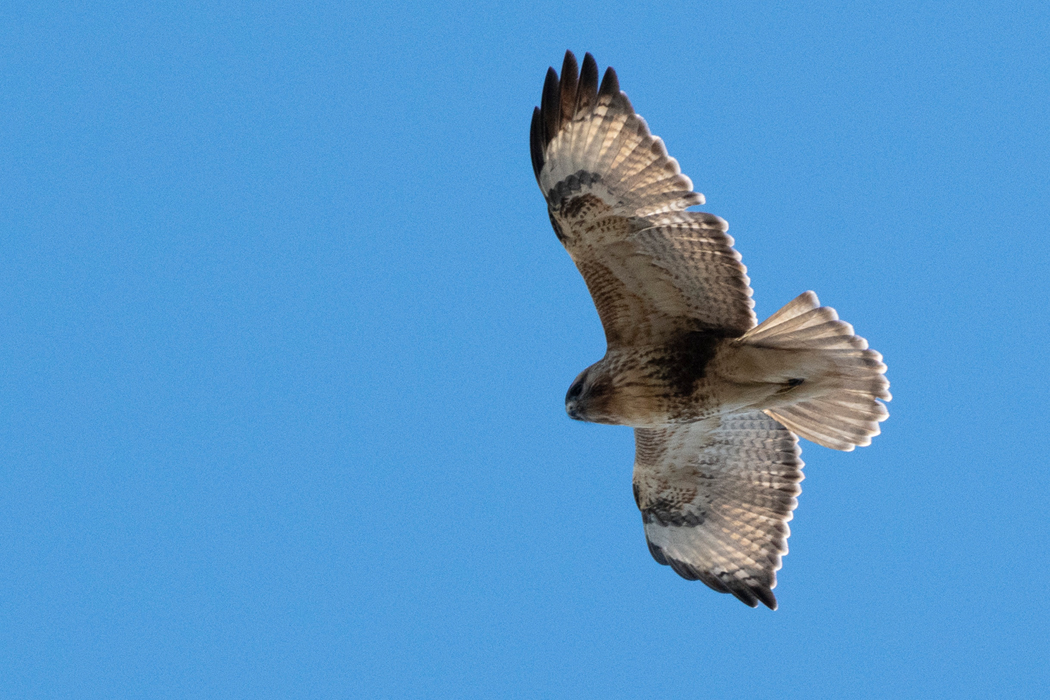
The collar (chest) is round and white. The wingtips and back are dark brown. The underside is generally pale brown, giving a whitish impression when viewed from below.
The tail feathers have a fan-shaped silhouette.
Apart from size, distinguishing features include color and tail feather shape. In terms of color, the Black Kite is uniformly dark brown, including the underside, while the Common Buzzard has a whitish underside. The tail feather shape is triangular in the Black Kite, whereas it is fan-shaped (roundish) in the Common Buzzard. Since it can be judged by silhouette alone, the author often relies on the shape of the tail feathers as a basis for identification.
Male
Smaller than the female, with a stronger brown coloration.
Female
Larger and whiter than the male.
Song
Its call sounds like "pee-pee."
Eastern Buzzard Ecology
Habitat
Inhabits forests, woodlands, and riverbeds.
Food
Preys on small animals and insects. It hovers in the air or on trees, then glides close to the ground to catch prey.
Life Cycle
Forms territories and breeds.
Eastern Buzzard Photos
Eastern Buzzard Photos are introduced.
Tap the photo to open the detail page.
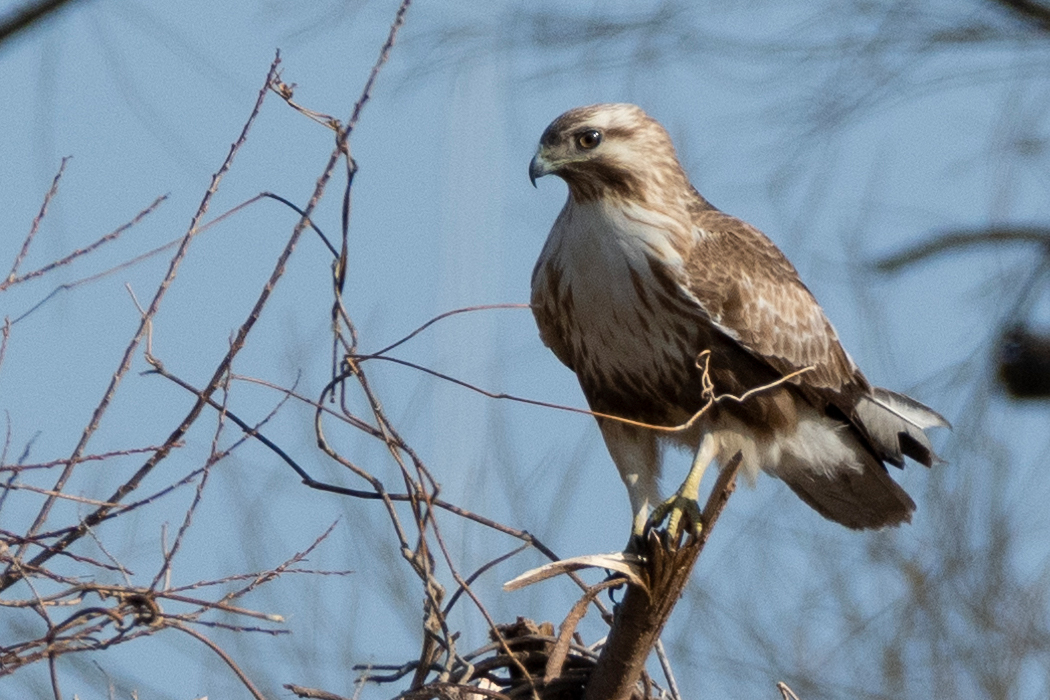
Eastern Buzzard Behavior
May come down to the ground to forage.
Eastern Buzzard Information
Naming
The Japanese name "Nosuri" comes from its appearance of flying close to the ground. The scientific name "japonicus" refers to this species inhabiting East Asia, including Japan, as the name suggests.
Eastern Buzzard Found Locations
Above Katakurajō跡 Park
While walking in Katakurajō跡 Park in Hachiōji, you may see them circling in the sky above the trees. The individual in the photo flew out of a tree from a low position while I was photographing a Goldcrest.
It circled for a while and flew off towards the Tsuidoinomori Park.
Midstream of the Tama River
The Common Buzzard is often seen in the midstream area of the Tama River. They circle in the sky when the temperature rises before noon. Crows usually fly out and mob the Common Buzzard, driving it away.
Eastern Buzzard Video
Eastern Buzzard is introduced by video.
It was being mobbed by two crows.
Eastern Buzzard Observation Log
These are the observation logs where we found Eastern Buzzard.
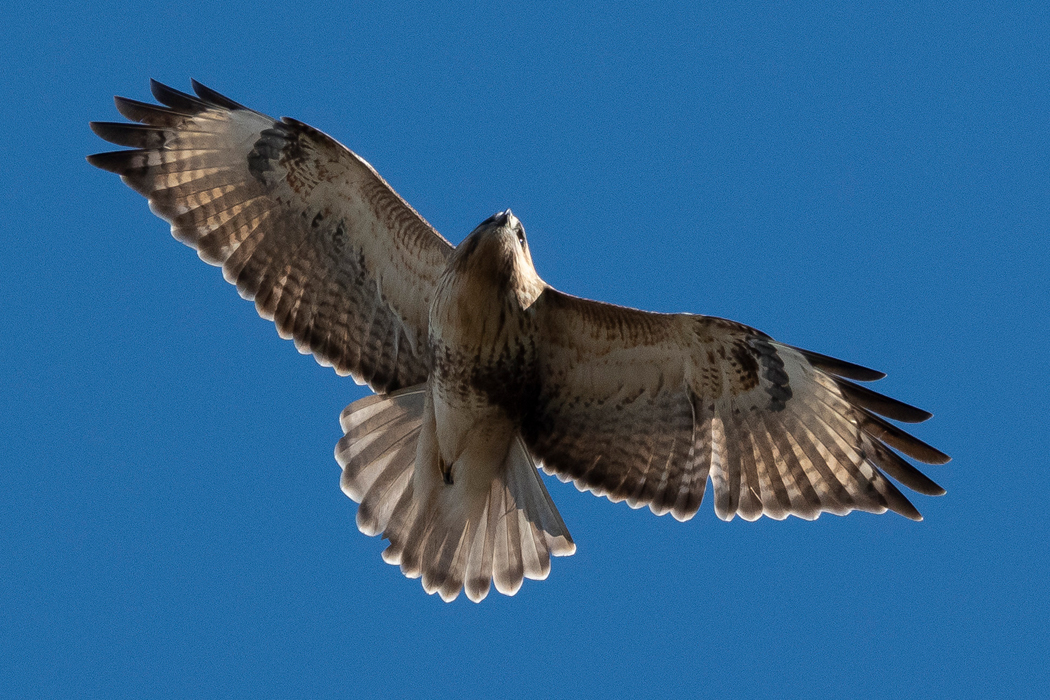
A Common Buzzard suddenly appeared overhead. It circled for a while and then flew off towards the Tsudoi-no-Mori (Gathering Forest).
Read more >
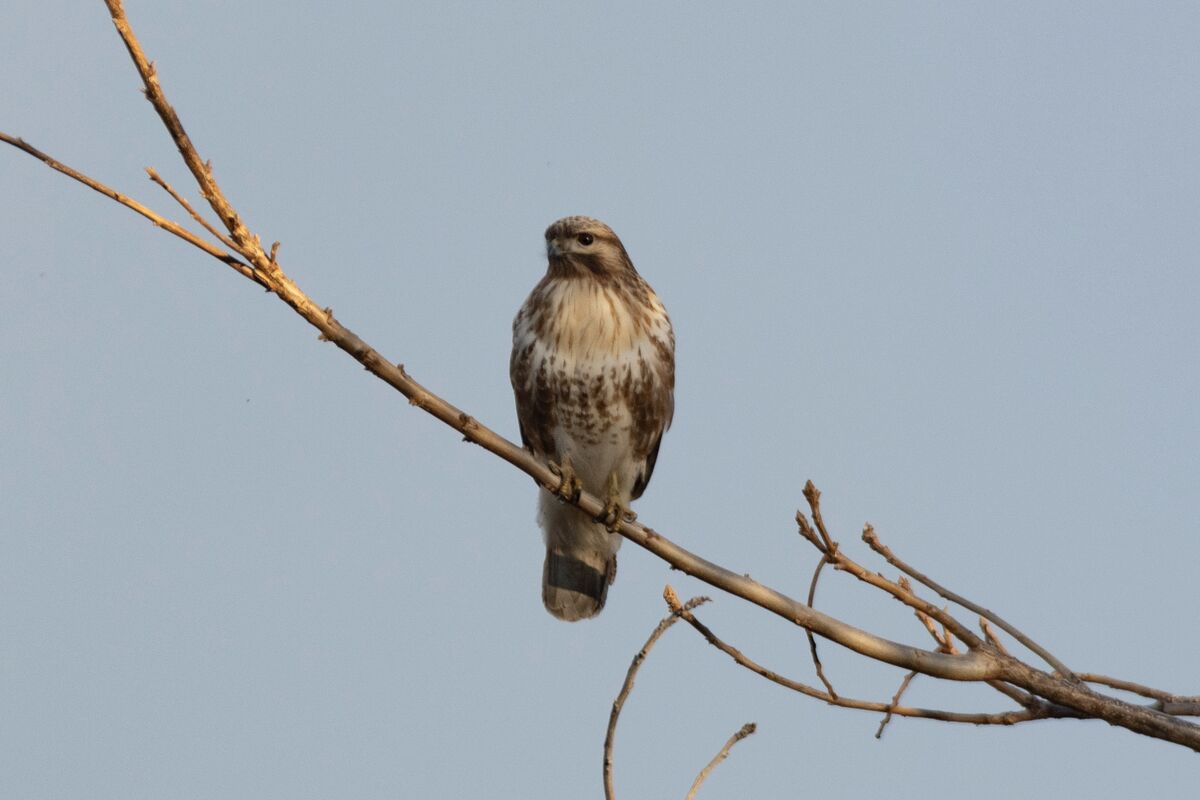
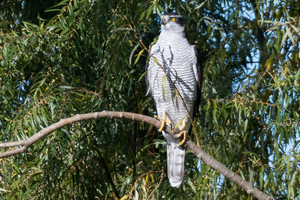
A buzzard was perched on a relatively low branch. I slowly approached to about 15 meters, and it remained still, looking down at me. After a while, it took off and flew towards the river.
Read more >
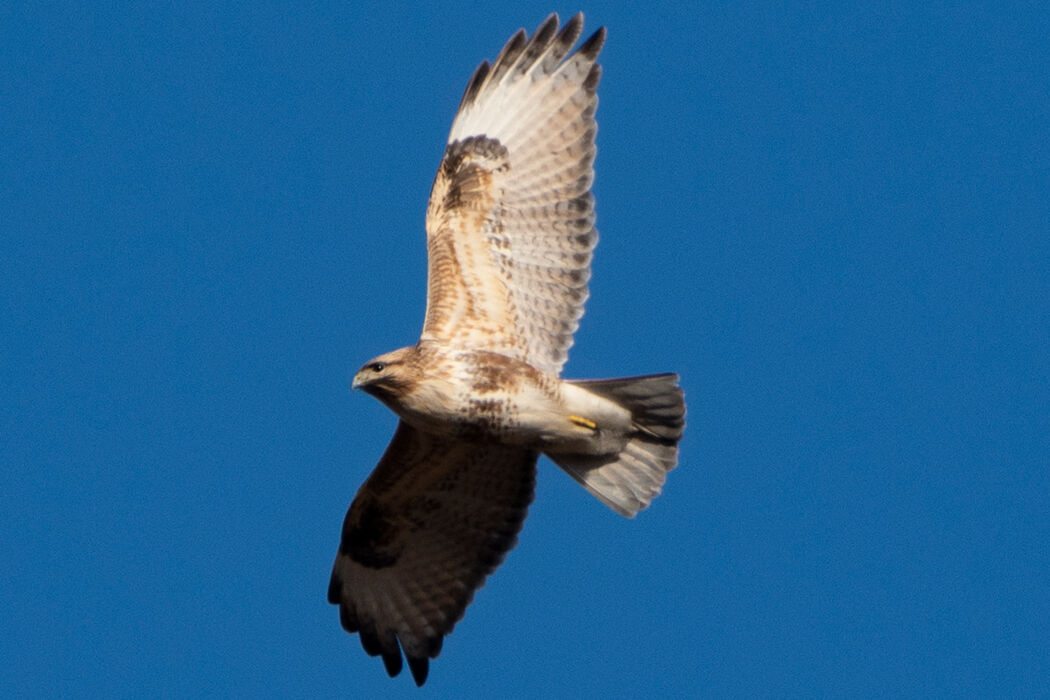
My son shouted, "There!" and spotted a Rough-legged Buzzard. Whenever the Rough-legged Buzzard took off, crows would always appear and start a squabble. The crows, invariably two of them, chased the buzzard around. They circled down to a fairly low altitude.
Read more >
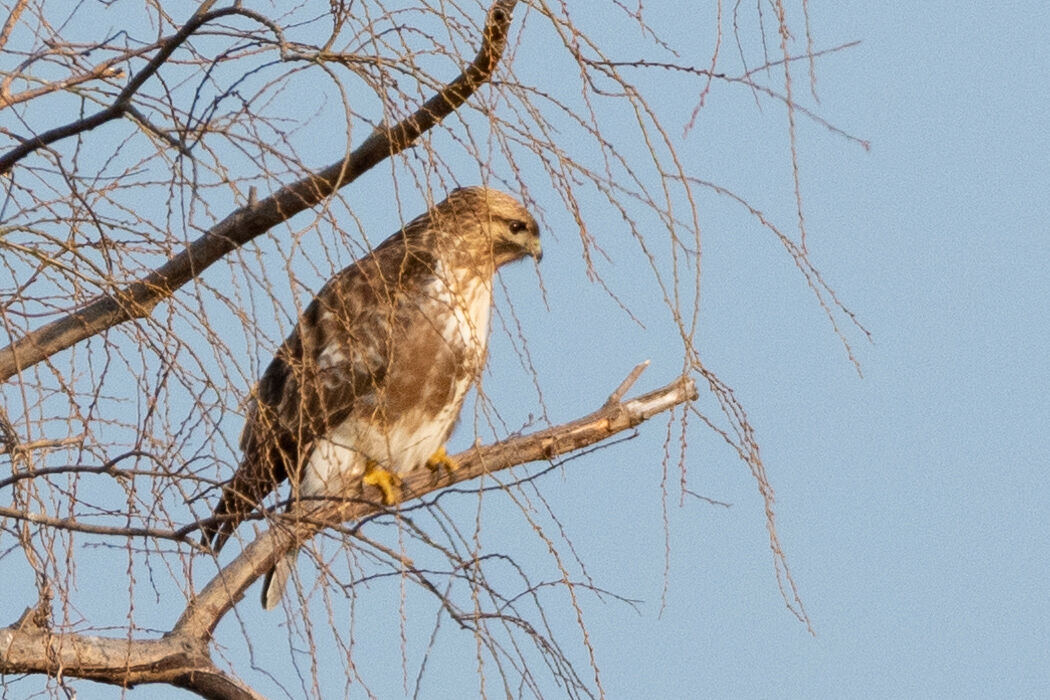
The usual Common Buzzard was there as well.
Read more >
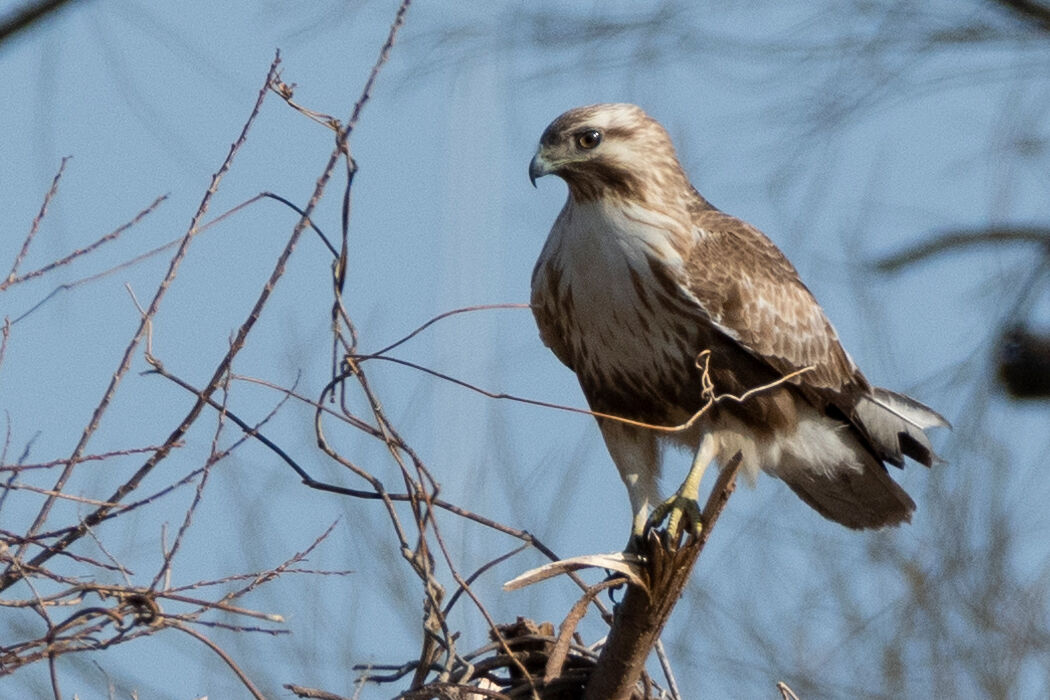
A Common Buzzard was being chased by crows.
Read more >
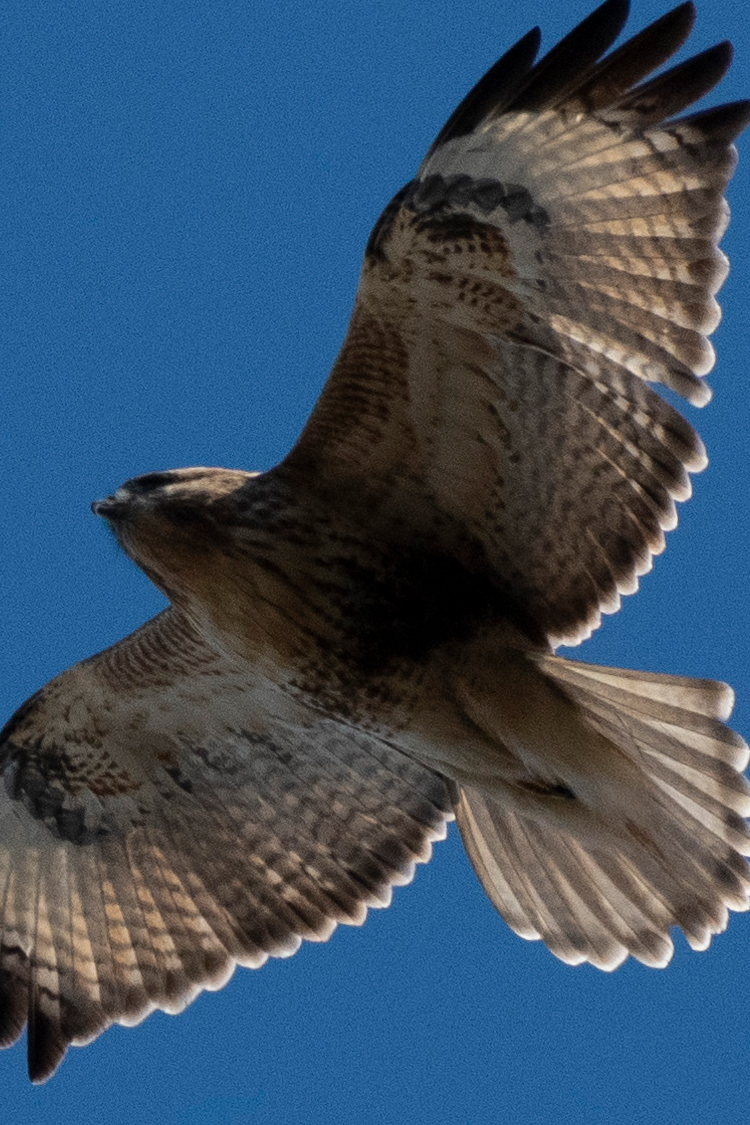
Picture book
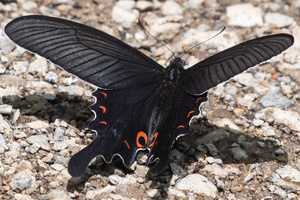
It is characterized by thin black wings and a red patch on the hind wings....... Read more
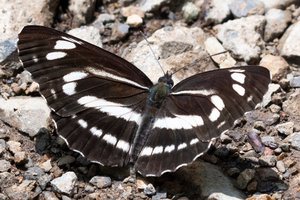
Three white lines running....... Read more
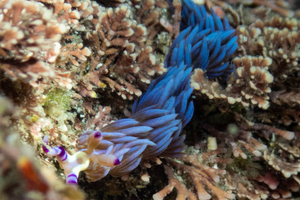
Has blue-purple minoes....... Read more
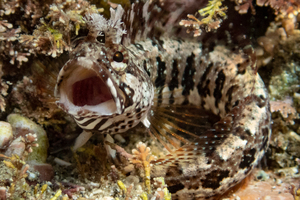
with fine ocular epithelial flap...... Read more

Has fine spots on the back....... Read more
The Japanese name comes from its bluish-gray color....... Read more