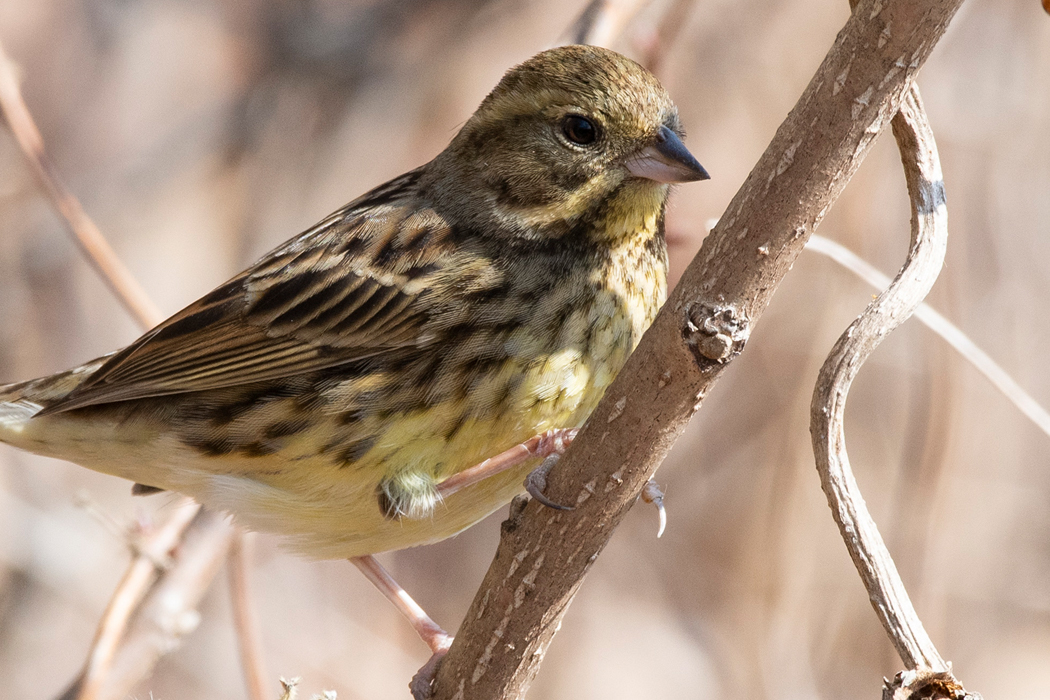
Black-faced Bunting
Known for its sharp calls from within thickets.
| Scientific name | Emberiza spodocephala |
| English name | Black-faced Bunting |
| Japanese name | 青鵐 |
| Class | Aves |
| Order | Passeriformes |
| Family | Emberizidae |
| Genus | Emberiza |
| Species | spodocephala |
| Full length | 16cm |
| Distribution | Found throughout Japan. |
Black-faced Bunting Characteristics and Morphology
A bird of the bunting family, slightly larger than a sparrow. It is brownish overall, but the yellow on its belly is prominent.
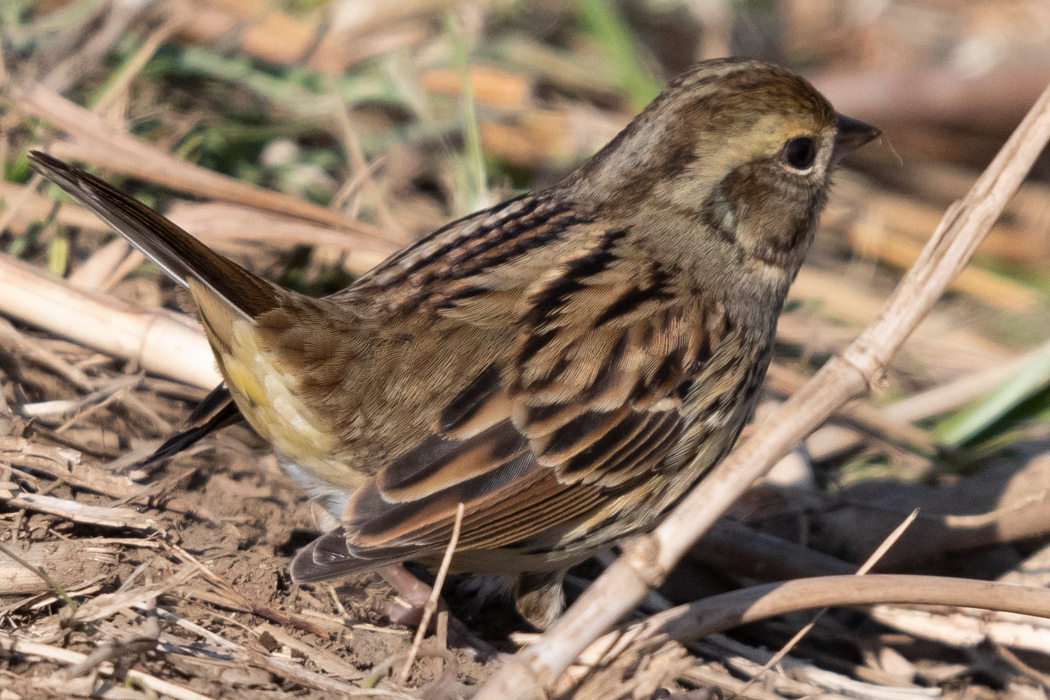
Head coloration differs between males and females. The short, powerful bill is lead-colored and flesh-colored. The iris is black.
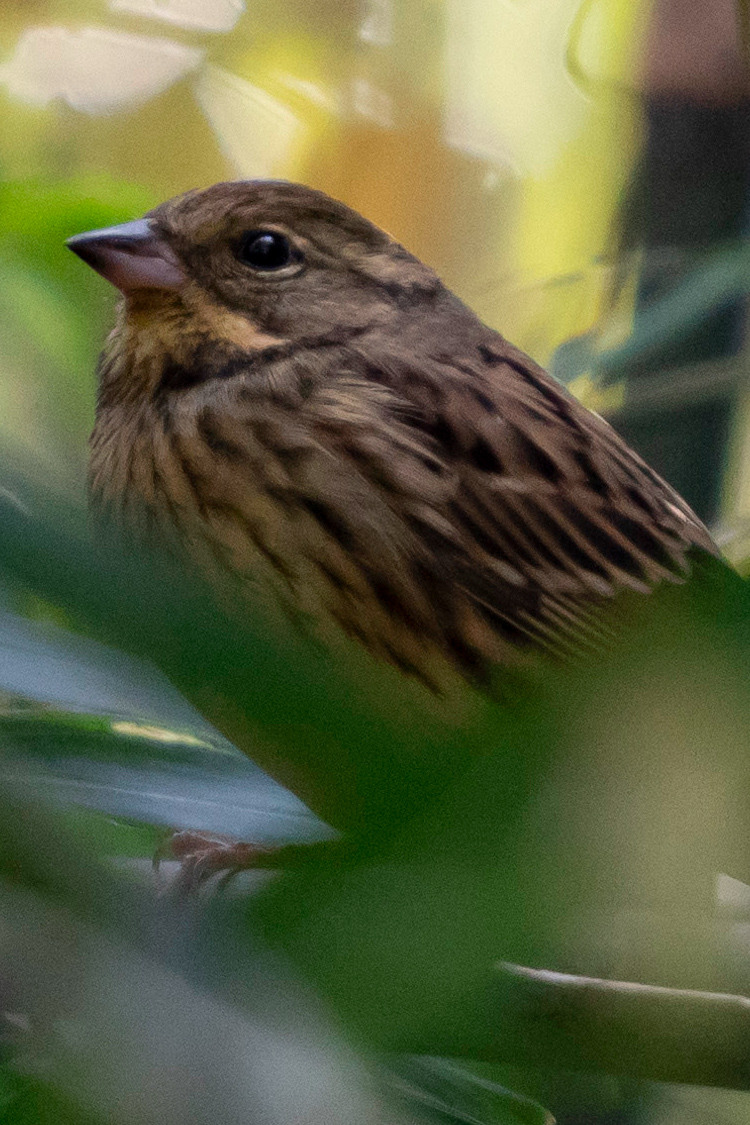
The back has a mottled pattern of brown and blackish-brown, which blends well into thickets. The underside of the body is a color between white and yellow, with brownish patterns extending toward the throat.
The tail feathers are brown. The legs are thin and flesh-colored.
Sometimes seen in similar habitats as the Meadow Bunting. A subjective way to tell them apart is that the Black-faced Bunting gives an impression of "yellow," while the Meadow Bunting is "brown."
Male
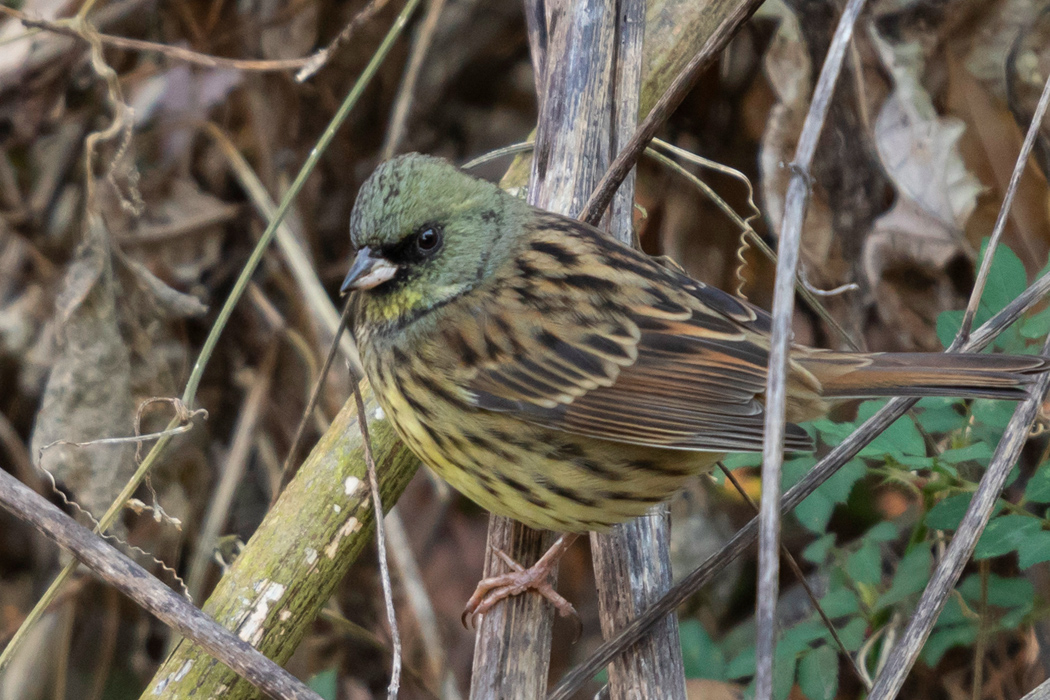
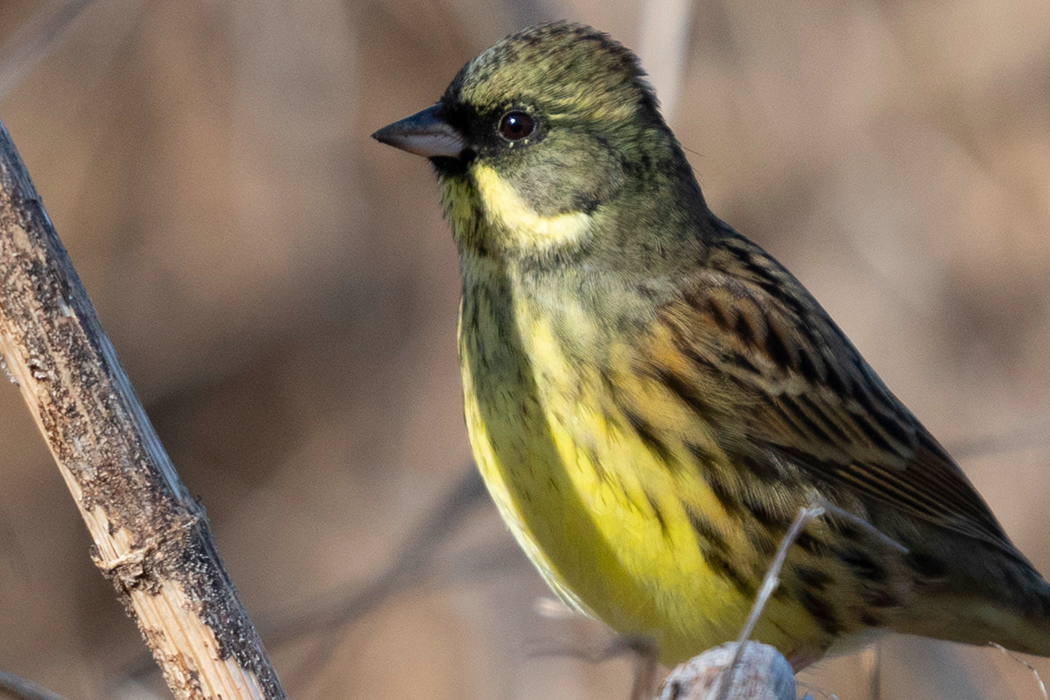
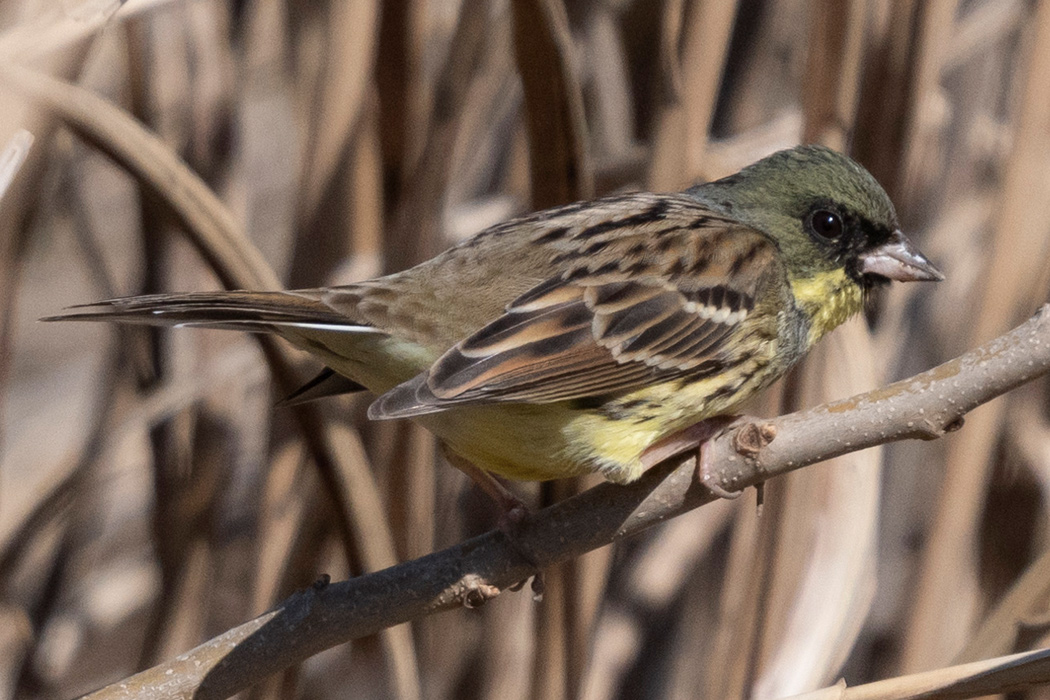
Generally more vivid than the female, appearing yellowish-green. Combined with the coloration, the facial expression feels somewhat sharp.
The head is green to olive. The area around the eyes is black like a mask. It can look like it is wearing a mask or sunglasses. Since it is hard to distinguish inside thickets, identification is easier when it flies out. The crown feathers can appear slightly raised.
The yellow on the belly is more vivid compared to the female.
Female
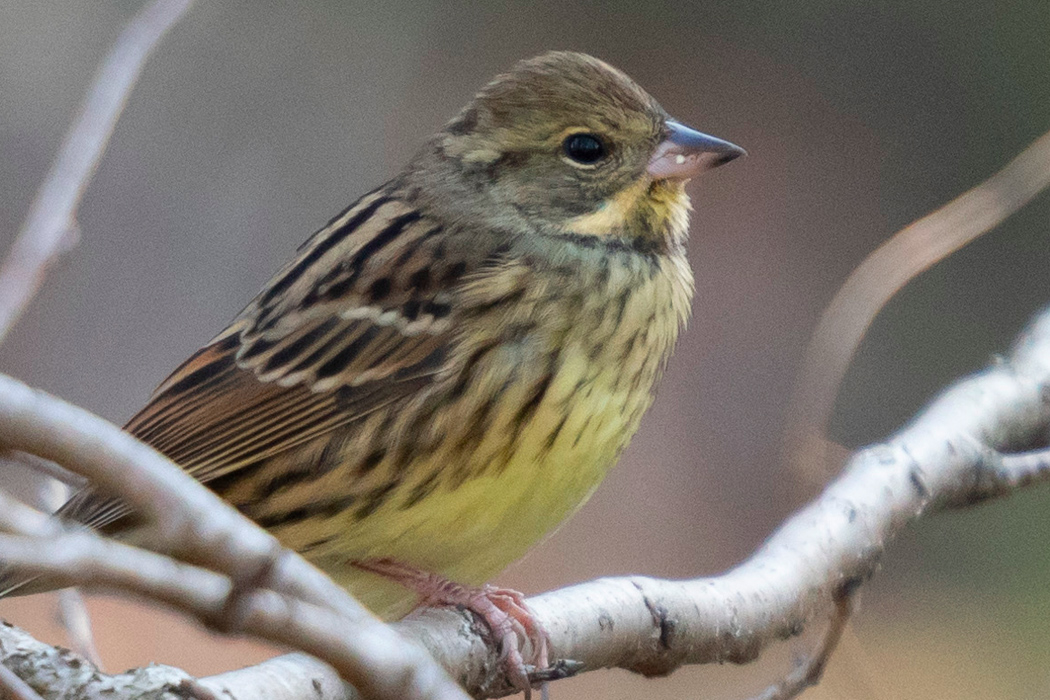
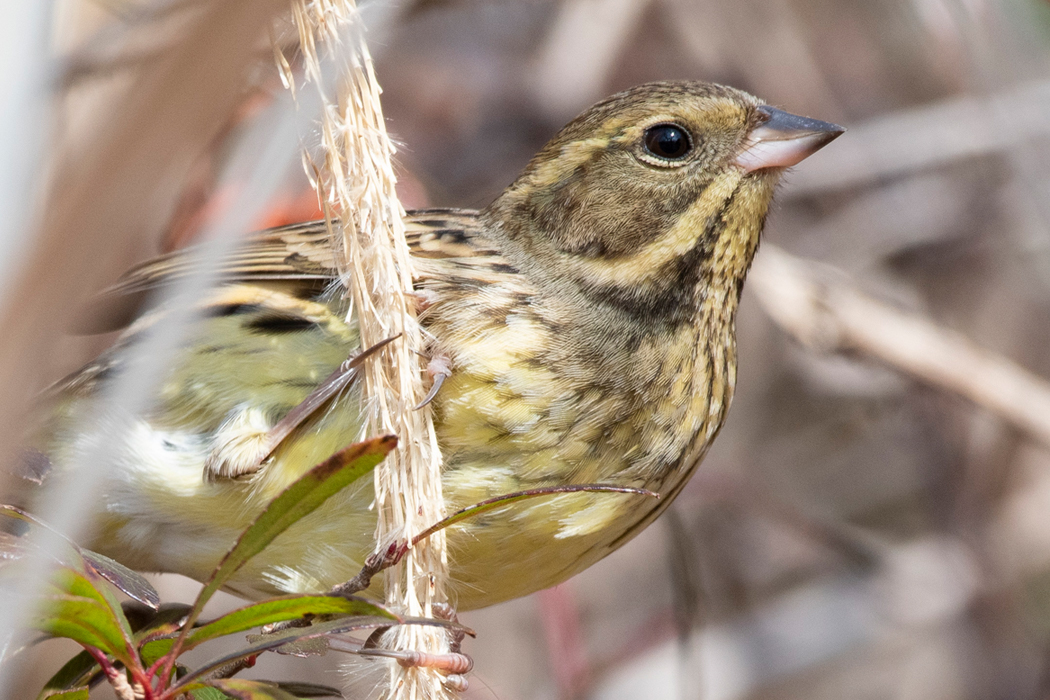
Paler in color than the male, with a gentler facial expression that looks younger.
The head is brown and uniform around the eyes.
The yellow on the belly is paler compared to the male.
Song
The song is a high-pitched "chiririri" phrase, similar to the Meadow Bunting. The call is a quiet "chit-chit," which is easy to miss unless you listen carefully to the sounds within the thicket.
Black-faced Bunting Ecology
Habitat
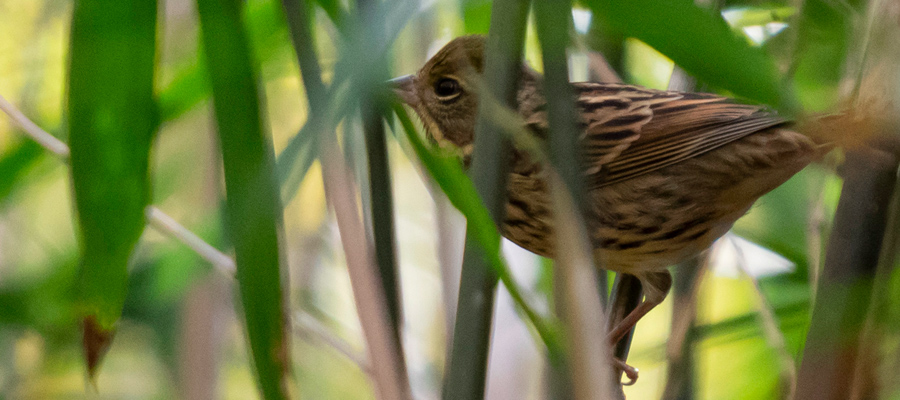
Inhabits thickets in forests and along riverbeds.
Food
Forages near the ground, eating plant seeds and insects.
Life Cycle
Breeds through early summer.
Black-faced Bunting Photos
Black-faced Bunting Photos are introduced.
Tap the photo to open the detail page.

Black-faced Bunting Behavior
Generally solitary and remains hidden within thickets. It has a cautious personality; even if you know it's there by its voice, it rarely reveals itself. During breeding season, males sing to declare their territory.
Black-faced Bunting Information
Naming
The scientific name "personata" means "masked," referring to the black pattern around the male's face. The English name "Masked Bunting" (a common name for the subspecies) shares this meaning. The Japanese name "Ao" (Blue/Green) refers to the traditional Japanese use of "ao" to describe green colors.
Black-faced Bunting Found Locations
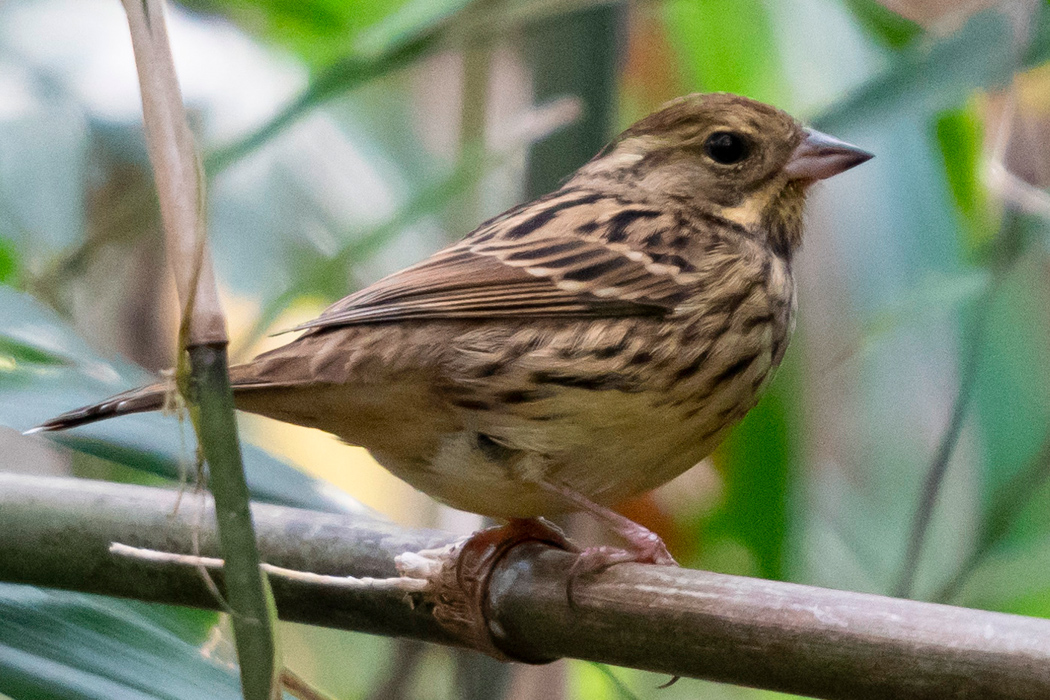
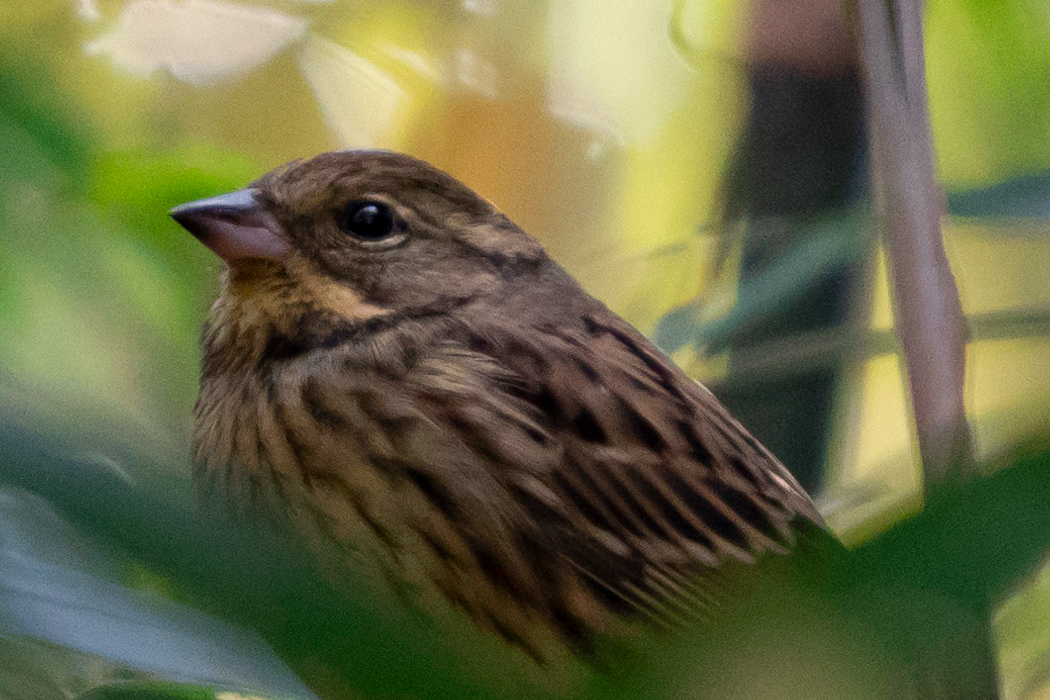
A female emerging from the grass
Photographed at Katakura Castle Ruins Park in Hachioji. I heard a quiet voice from the grass beside the upper plaza. Walking slowly to avoid making noise, a female flew out and perched in a visible spot. She seemed more wary of things above her head than of me—perhaps because a shrike's territory was nearby, making her nervous. Since they blend so perfectly into the thicket, it's a joy to actually spot one.
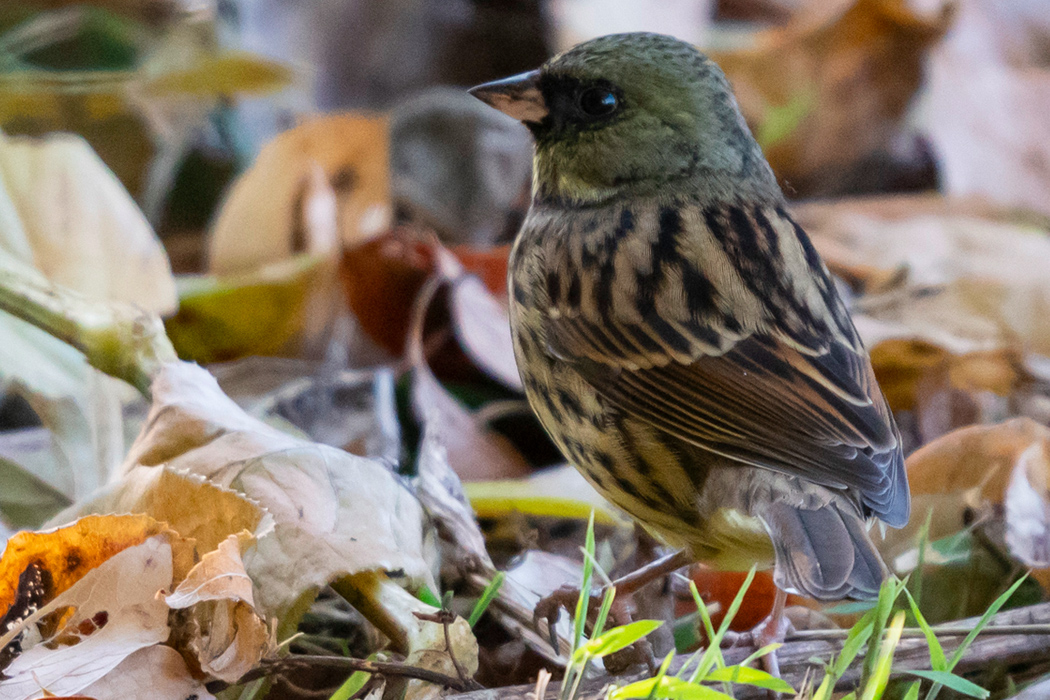
A male foraging on the ground
Also found at Katakura Castle Ruins Park. A male was walking on the ground foraging. Although it was near a path people use, he seemed less wary, perhaps due to the trees between us.
Black-faced Bunting Video
Black-faced Bunting is introduced by video.
A male searching for food on the ground.
A female eating silver grass.
Picture book
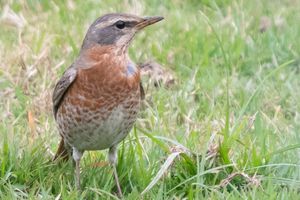
Compared to the thrush, its entire body is brick-colored....... Read more
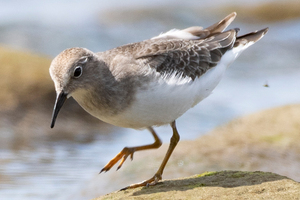
A timber finch with yellow-green legs....... Read more
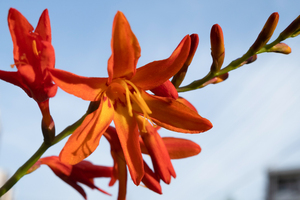
Orange flowers bloom in summer....... Read more
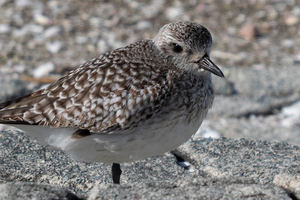
Natsuha's belly is black....... Read more
Has a mesh-like pattern on its back....... Read more
roams tree trunks....... Read more