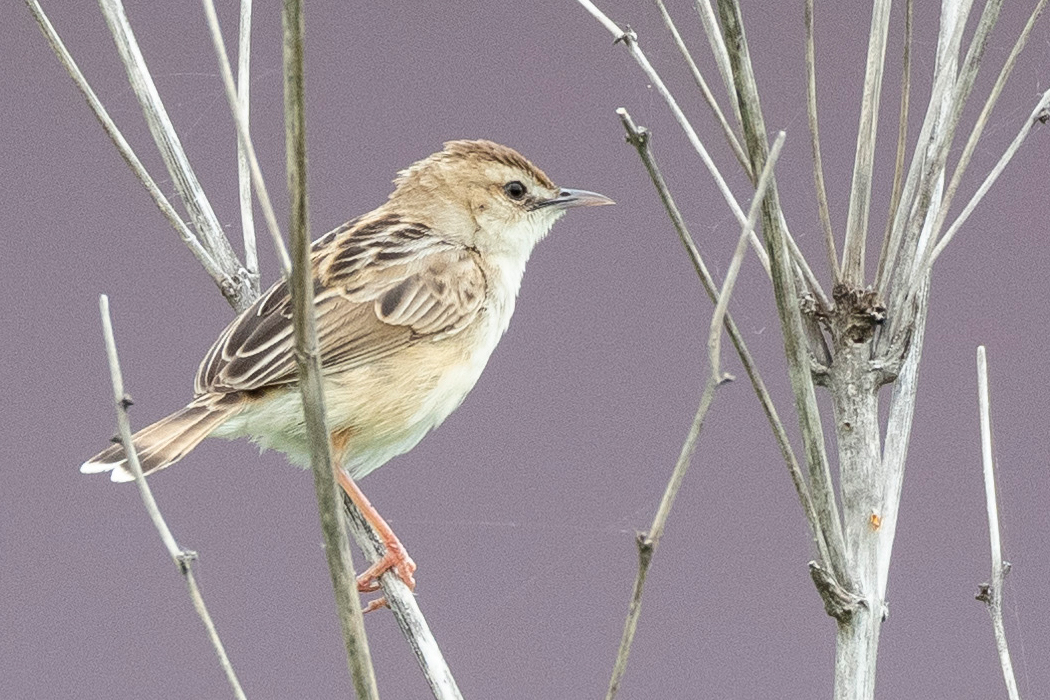
Zitting Cisticola
Spreads its legs to maintain balance.
| Scientific name | Cisticola juncidis |
| English name | Zitting Cisticola |
| Japanese name | 雪加 |
| Class | Aves |
| Order | Passeriformes |
| Family | Cisticolidae |
| Genus | Cisticola |
| Species | juncidis |
| Full length | 13cm |
| Distribution | Distributed from Africa to low-latitude regions of Eurasia. |
Zitting Cisticola Characteristics and Morphology
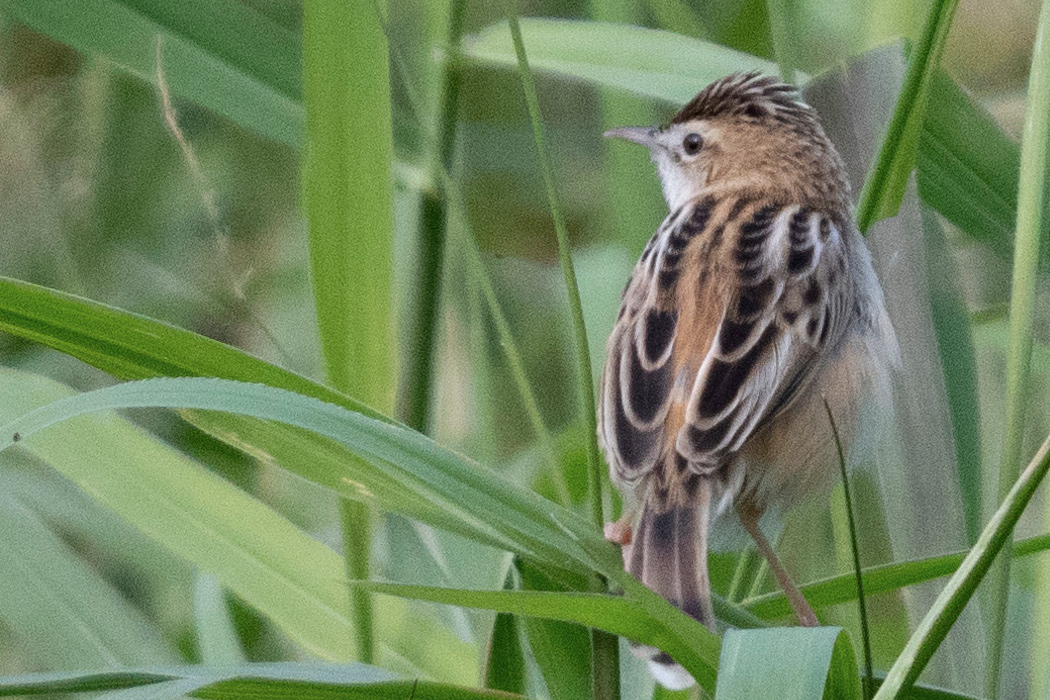
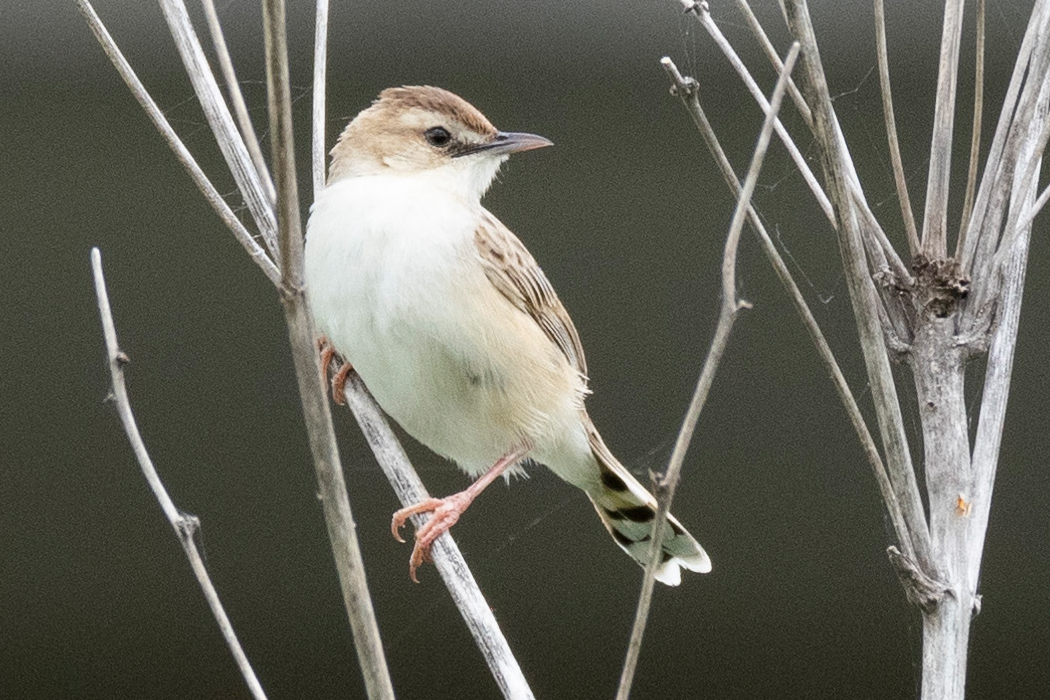
Slightly smaller than a sparrow. The entire body is light brown. Males and females are very similar.
Has a white supercilium and a dark crown. The beak is thin and short. The iris is black.
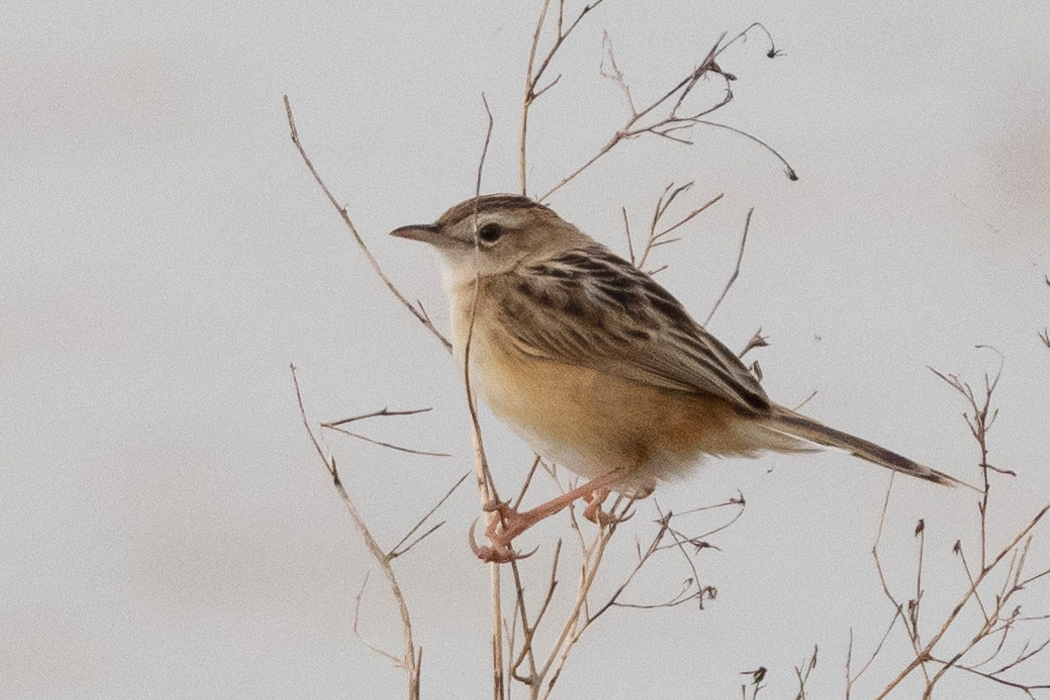
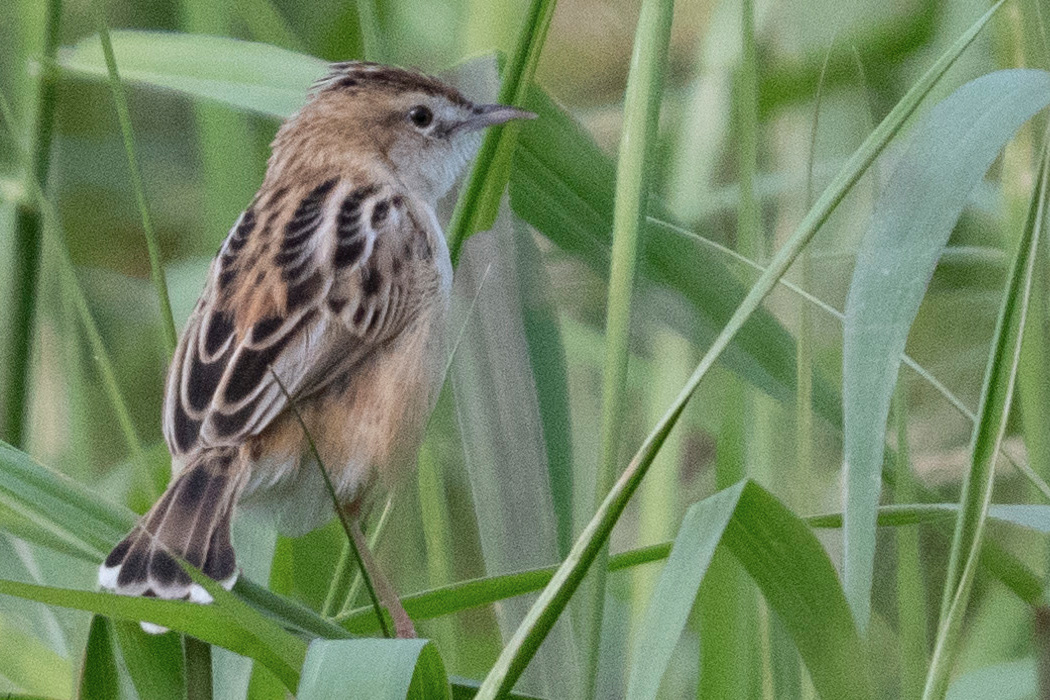
The upperparts are brown, with black mixed in from the wings to the tail feathers. The sides of the body are light brown, and the chest is off-white with a yellowish-brown tint. The abdomen is off-white with a yellowish-brown tint.
The tail feathers are brown, with black at the tips. The legs are pale flesh-colored.
Male
The inside of the male's mouth is black.
Female
The inside of the female's mouth is flesh-colored.
Song
During the breeding season, they sing while flying with a "hi-hi-hi" sound.
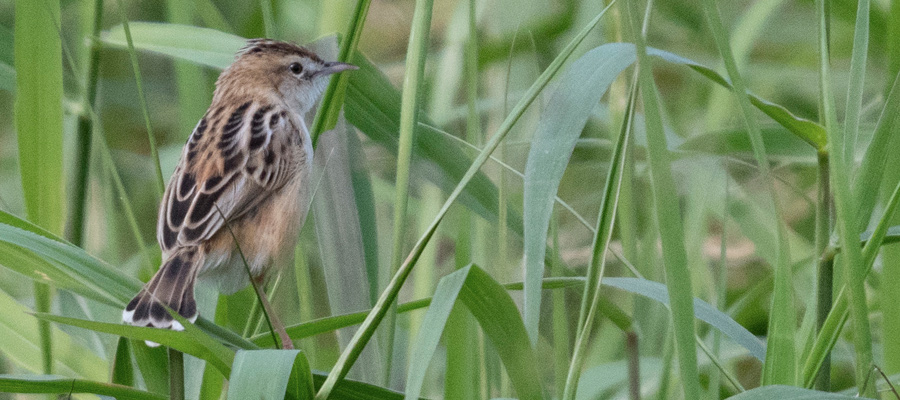
Zitting Cisticola Ecology
Habitat
Inhabits reedbeds near rivers and rice paddies.
Food
Feeds on insects and spiders.
Life Cycle
Practices polygyny, with males building oval nests in grasslands to attract females.
Zitting Cisticola Photos
Zitting Cisticola Photos are introduced.
Tap the photo to open the detail page.

Zitting Cisticola Behavior
Males may fly and sing over their territory, but usually remain hidden in the grasslands.
Zitting Cisticola Information
Naming
The specific name "juncidis" means "rush-like," referring to the habitat of this bird.
Zitting Cisticola Found Locations
Zitting Cisticola Observation Log
These are the observation logs where we found Zitting Cisticola.
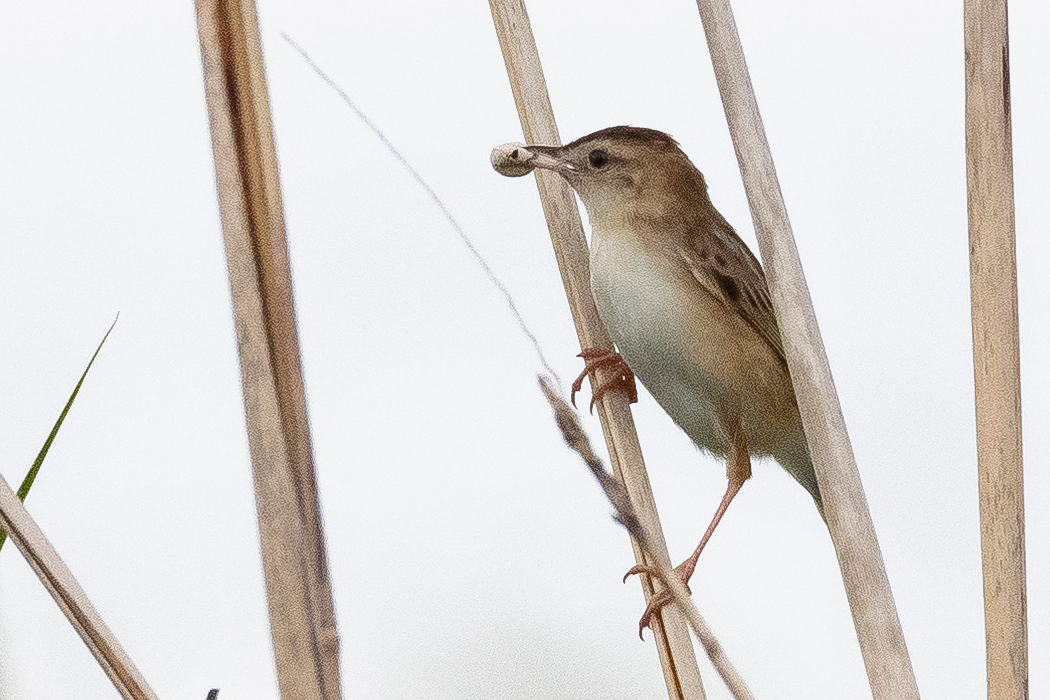
There were Zitting Cisticolas everywhere in the bushes of the riverbed. They seemed to have territories, and were singing frequently while circling in the sky.
Read more >
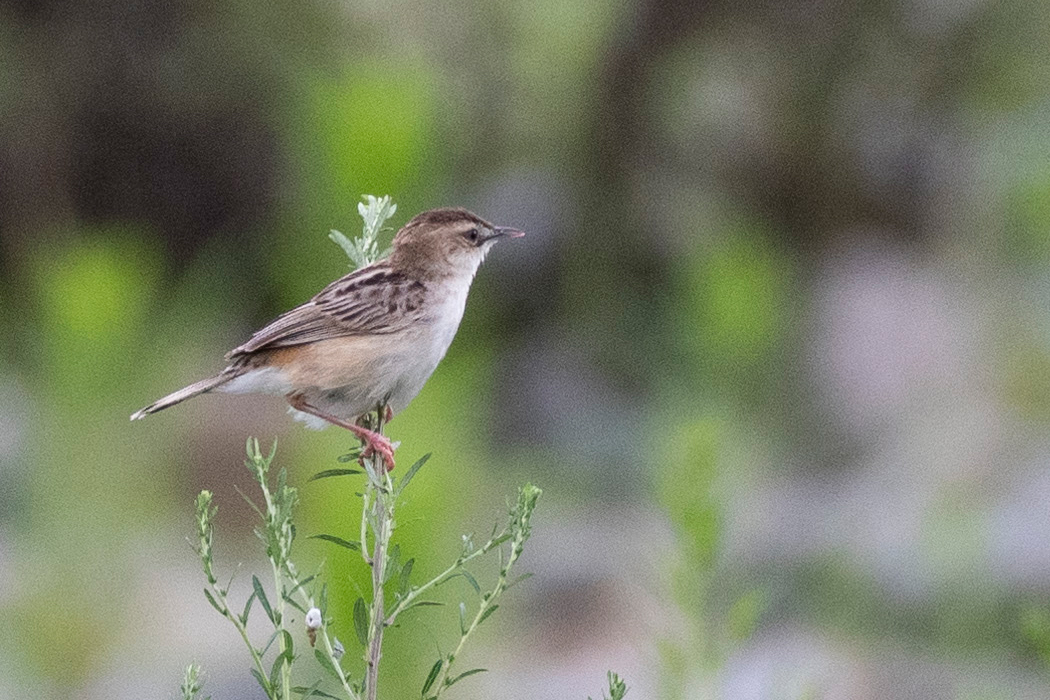
I heard the calls of Zitting Cisticolas everywhere in the riverbed.
Read more >
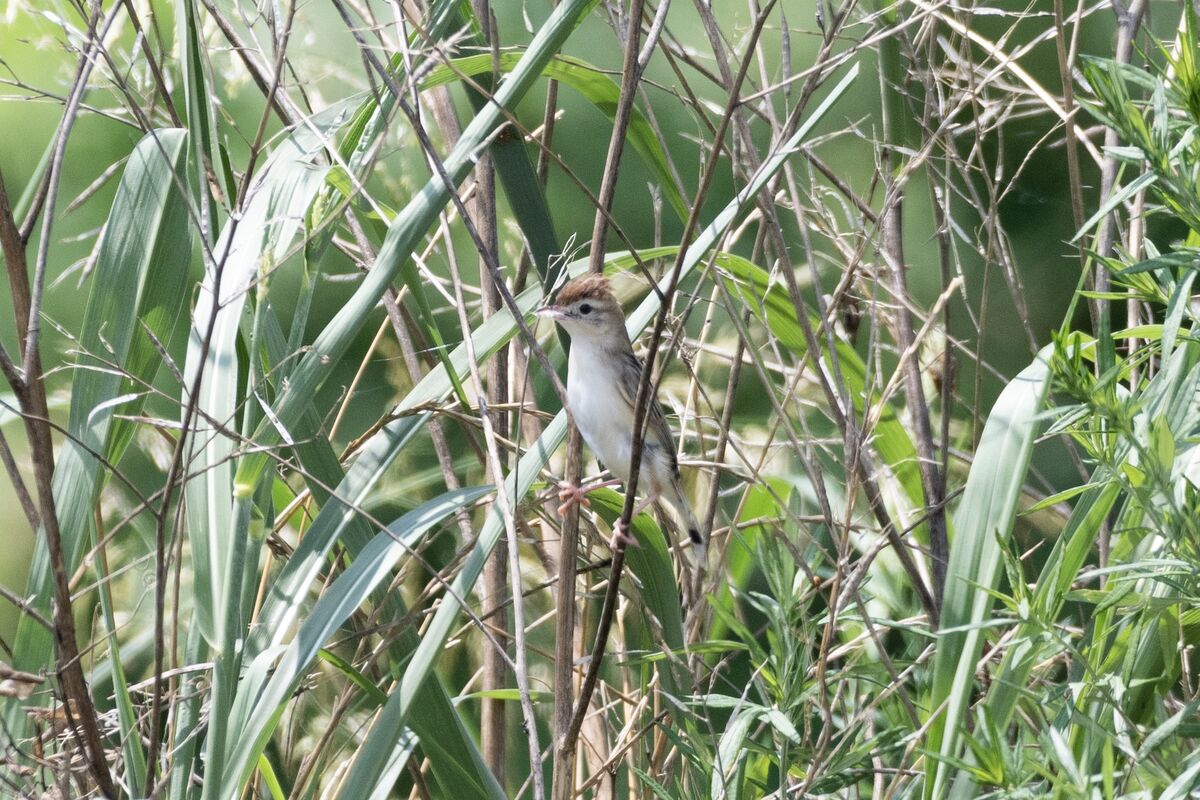
It was gathering nesting material, undeterred by the heat.
Read more >
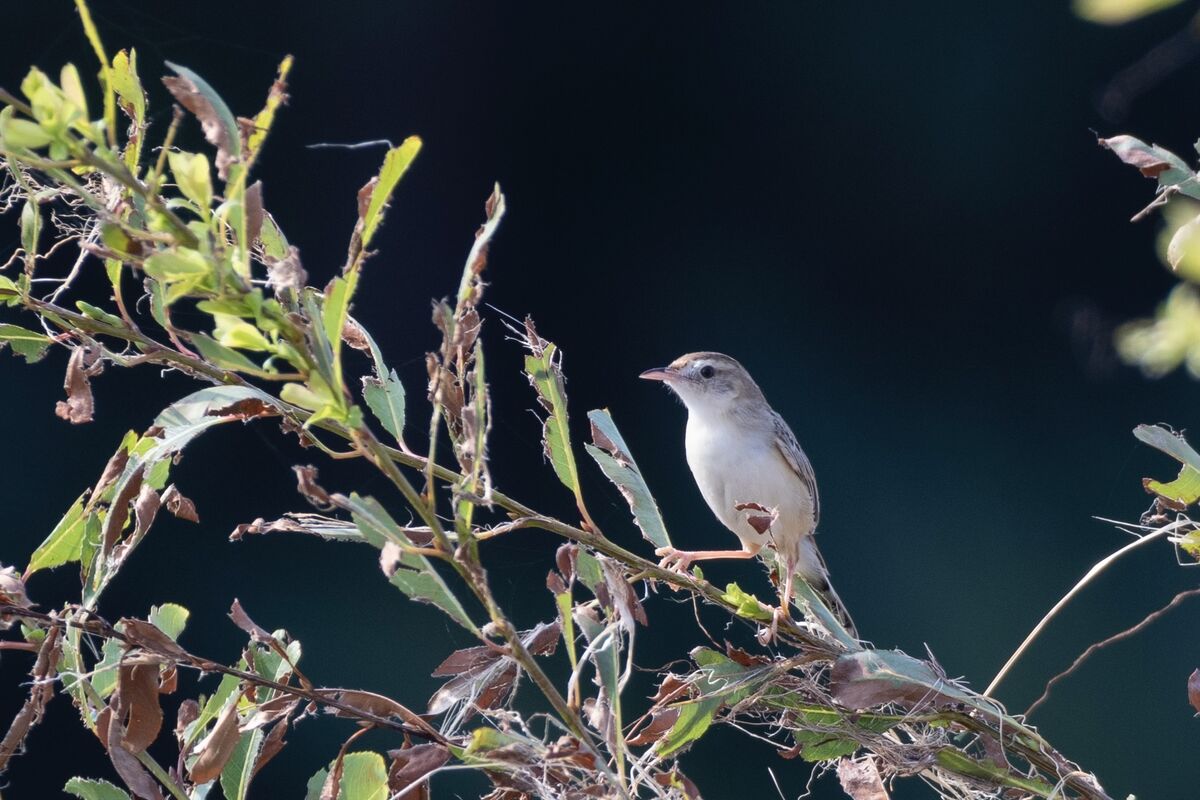
A Zitting Cisticola was flying from bush to bush.
Read more >

Picture book
Has wire-like legs and is nicknamed "Uncle Long Legs" in the United States....... Read more
The female appears to be piggybacking the male....... Read more

Its call sounds like "Dē-dē-po-pō"...... Read more
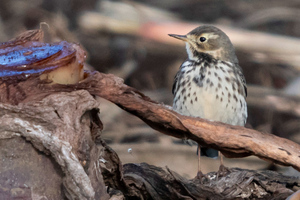
Earth-colored wagtail companion...... Read more
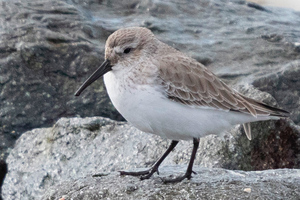
They come to the tidal flats in large numbers....... Read more
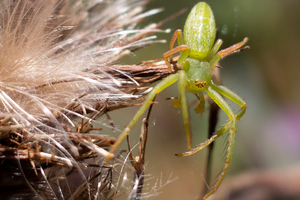
A green spider that lives on leaves and trees....... Read more