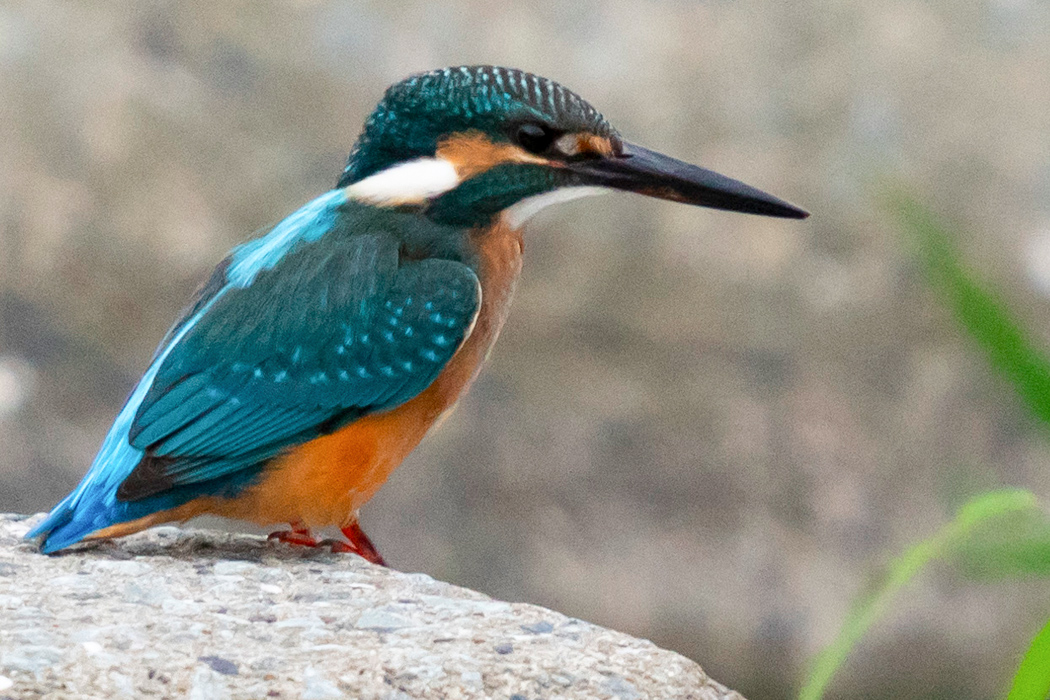
Common Kingfisher
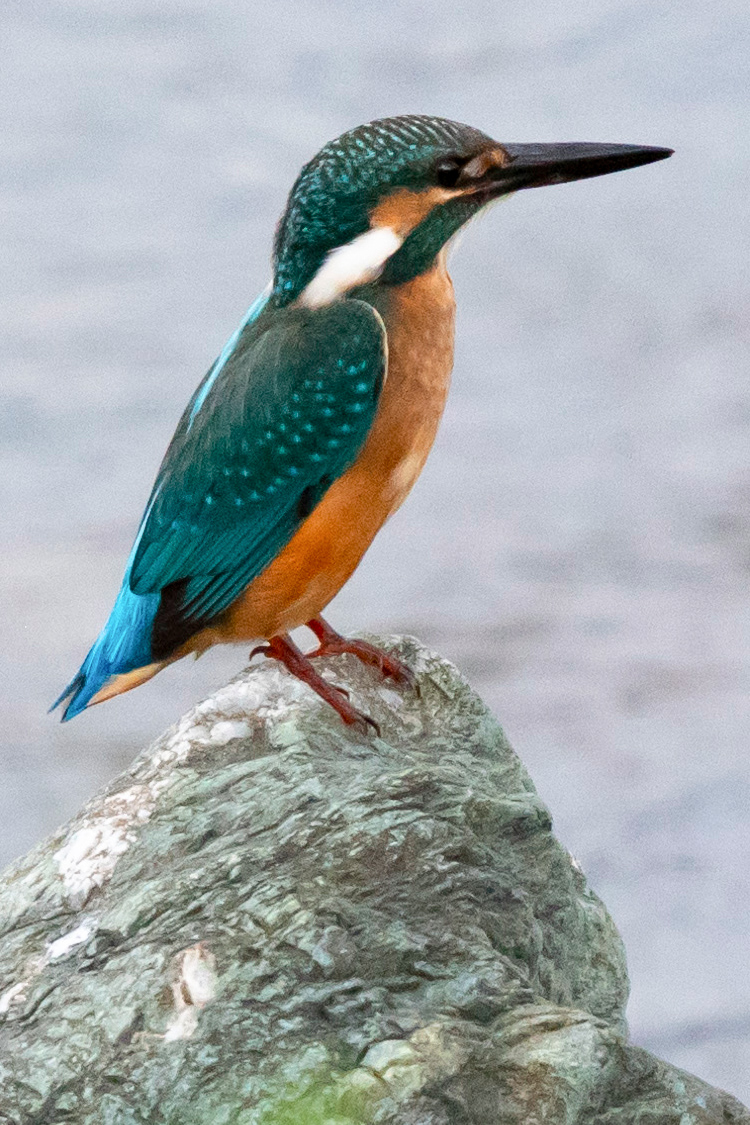
The emerald green structural color is stunningly beautiful.
| Scientific name | Alcedo atthis |
| English name | Common Kingfisher |
| Japanese name | 翡翠 |
| Class | Aves |
| Order | Coraciiformes |
| Family | Alcedinidae |
| Genus | Alcedo |
| Species | atthis |
| Full length | 17cm |
| Distribution | Eurasia and Africa |
Common Kingfisher Characteristics and Morphology
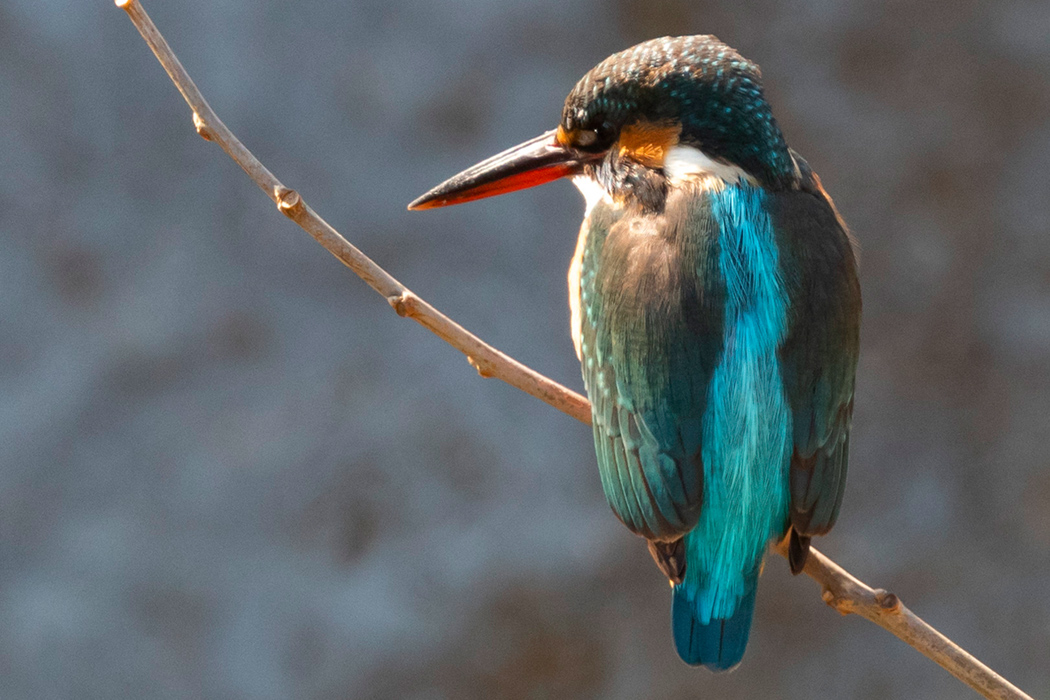
A beautiful wild riverside bird with emerald green plumage that shifts color depending on the light. The dorsal side from the head to the tail is a vivid blue-green. This beautiful color is not from pigment but is what is known as "structural color." Complex reflections of light off the microscopic structures on the surface of the feathers show various shades of blue to the human eye.
The head has small pale spots scattered on a blue-green background. The ear coverts and throat are white. It is also characterized by a long bill used for catching fish. It possesses a nictitating membrane that covers and protects the eyes when diving underwater.
The body silhouette is rounded, appearing even more so when it tucks its neck in. The belly is a vivid chestnut brown.
The tail feathers are short, and the rump is a glossy, bright blue. The legs are small and red.
Male
Closely resembles the female and appears identical at first glance.
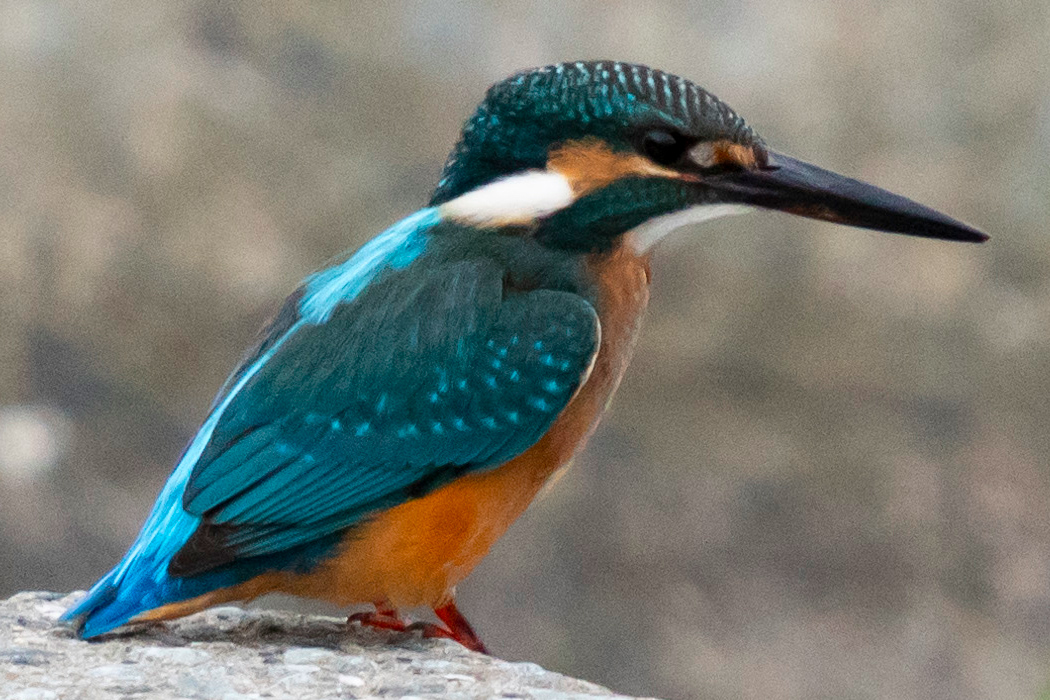
The distinguishing feature is the bill; the male's bill is entirely black.
Female
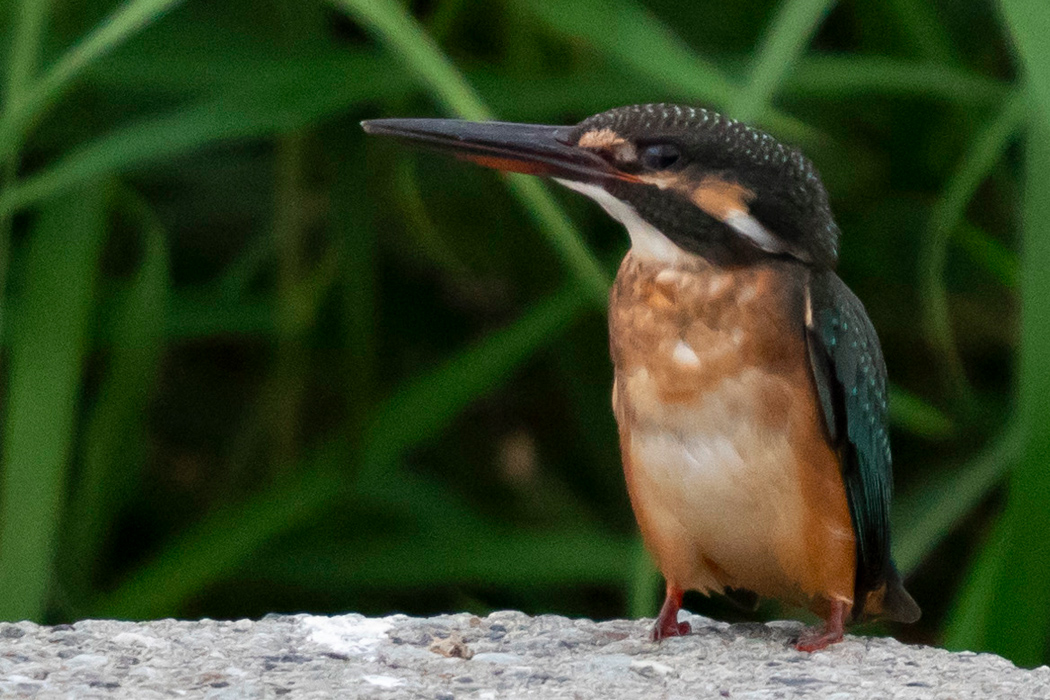
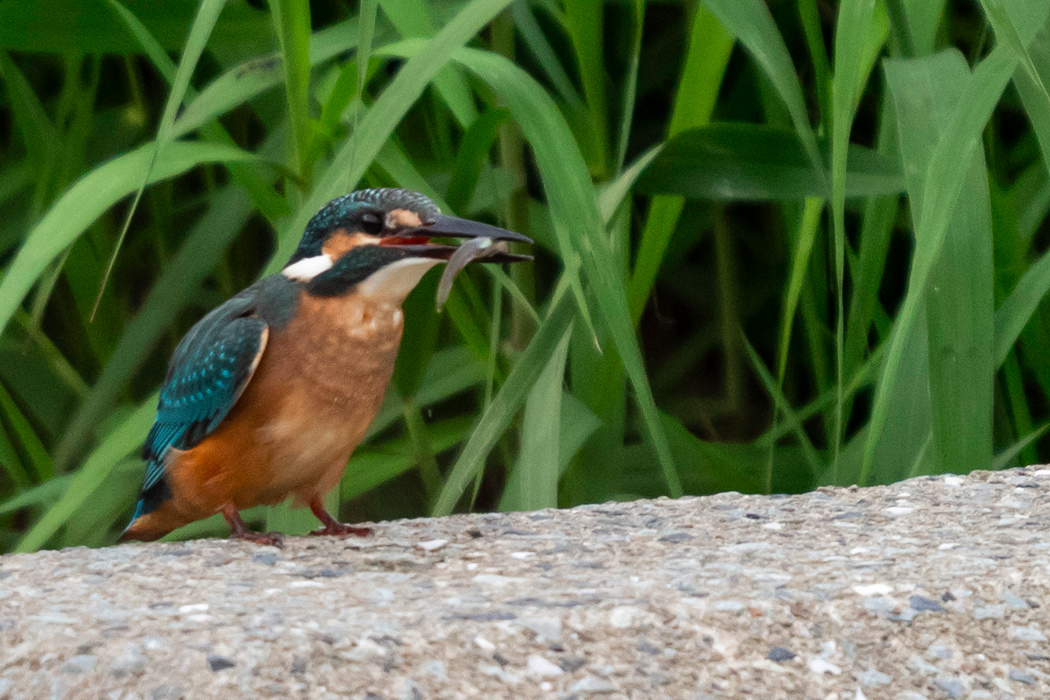
Unlike the male, the lower mandible (bottom part of the bill) is red. This can be difficult to see without direct sunlight, but it becomes distinguishable with practice.
Juvenile
Compared to adults, the overall coloration appears duller or faded.
Song
It calls with a high-pitched "peep" or "kee-kee." When walking along a river, a Kingfisher that notices a human will often fly away while making this sound. Since they can be difficult to spot in the grass, this call is often used as a clue to find them.
Common Kingfisher Ecology
Habitat
Inhabits waterfronts such as rivers and ponds. They can be found even in urban areas if there is a river suitable for nesting.
Food
Feeds on aquatic animals such as small fish and shrimp.
Life Cycle
They build nests by burrowing holes about the diameter of a baseball into vertical dirt banks along rivers. The nest tunnels can reach lengths of up to 90cm. During the breeding season, the male performs courtship feeding by giving prey to the female. Hatched chicks grow while receiving food from their parents in the same manner.
Common Kingfisher Photos
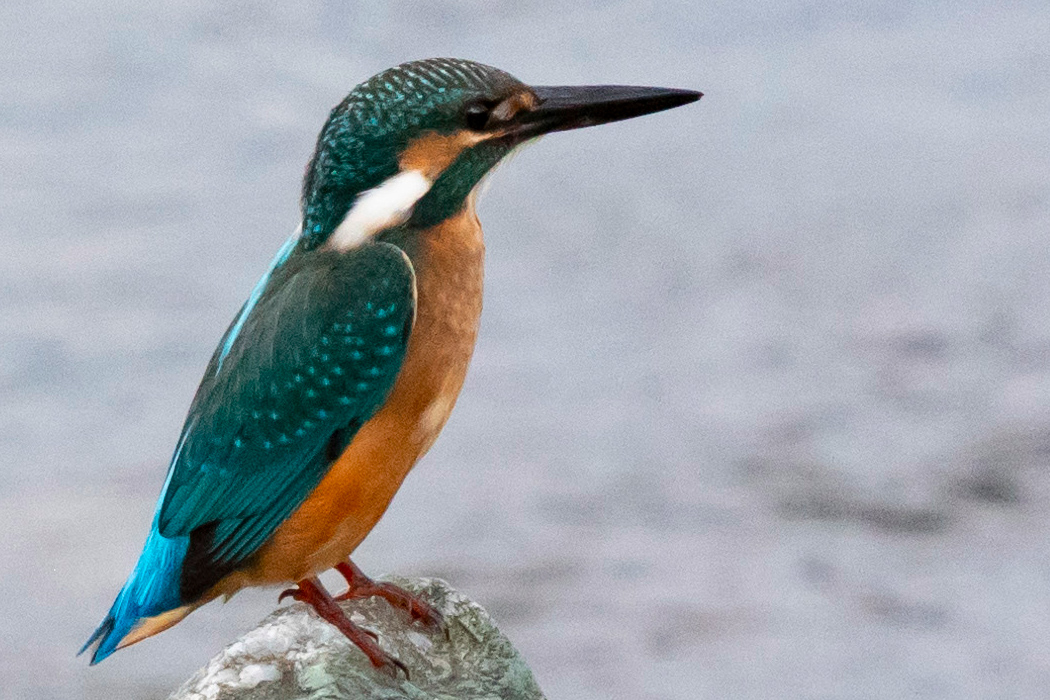
Common Kingfisher Photos are introduced.
Tap the photo to open the detail page.
Common Kingfisher Behavior
Highly territorial; often the same individual can be found in the same location.
Predation
It dives headfirst from trees or rocks targeting small fish, catching them skillfully. If the caught fish is still lively, the bird will smack the prey against a branch or rock to stun it before swallowing.
Flight and Hovering
When flying, it flaps its wings rapidly just above the water surface, moving in a straight line. It sometimes emits a high-pitched call during flight. It may also hover for several seconds at a height of about 1m above the water.
Common Kingfisher Information
Naming
The scientific name "atthis" is derived from Atthis, a beautiful woman mentioned in Greek mythology. The English name "Common Kingfisher" comes from it being the most widespread species in the Alcedinidae family. The Japanese name is written with characters meaning "jade," and because of its beautiful color, it has long been called the "jewel of the mountain stream." It is not limited to pristine streams and can be seen in urban brooks if food conditions are met.
Common Kingfisher Found Locations
Asakawa River, Hachioji City
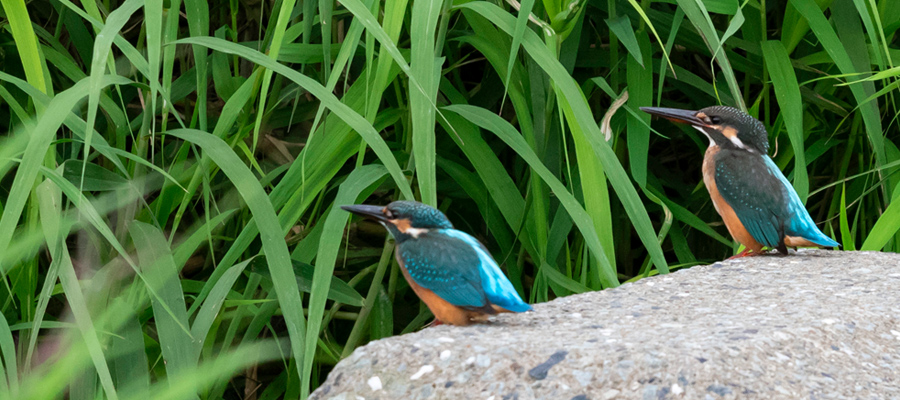
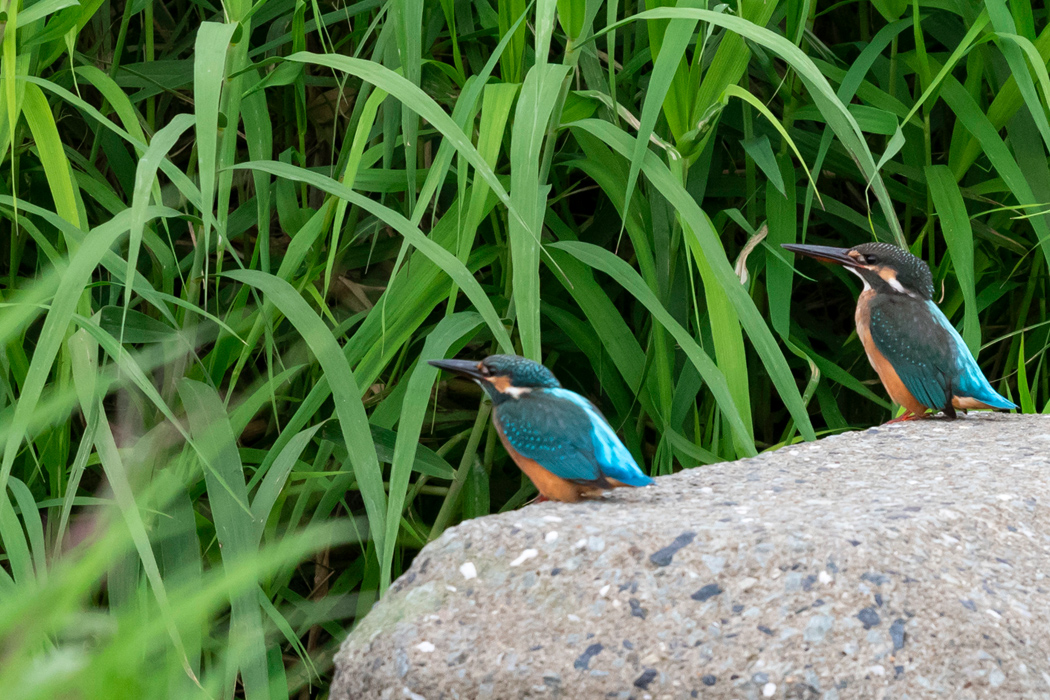
Photographed a pair on the banks of the Asakawa River in Hachioji City. They were searching for prey from atop blocks in the river and occasionally diving. At the moment I found this pair, another male was nearby but was chased away after a fight.
In Hachioji City, Kingfishers can be seen almost anywhere along the rivers, but photographing them without startling them is a bit difficult. Since these two were on a busy riverbank along a cycling path, they might have been somewhat accustomed to people.
Tsurumi River
Kingfishers are frequently seen along the Tsurumi River as well. They are sometimes perched very close to the riverbank near Tsurukawa Station, and people walking along the riverside path can often be seen observing them.
Common Kingfisher Video
Common Kingfisher is introduced by video.
Perched on a branch.
A female preening her feathers.
Picture book
A small shark that swims near the ocean floor....... Read more
has a red mesh pattern....... Read more
small lilac flowers hidden at the edges....... Read more
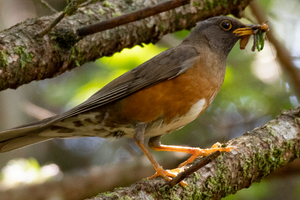
It was called "Chajinai" (written as "brown thrush")....... Read more
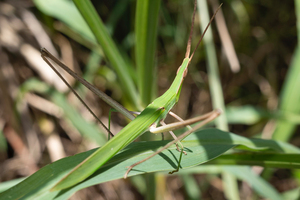
Its long, slender body helps it camouflage itself with the surrounding leaves....... Read more
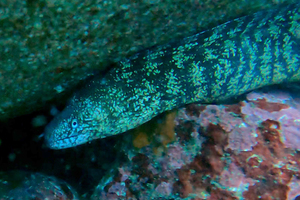
A mouth slit behind the eyes and lined with sharp teeth....... Read more