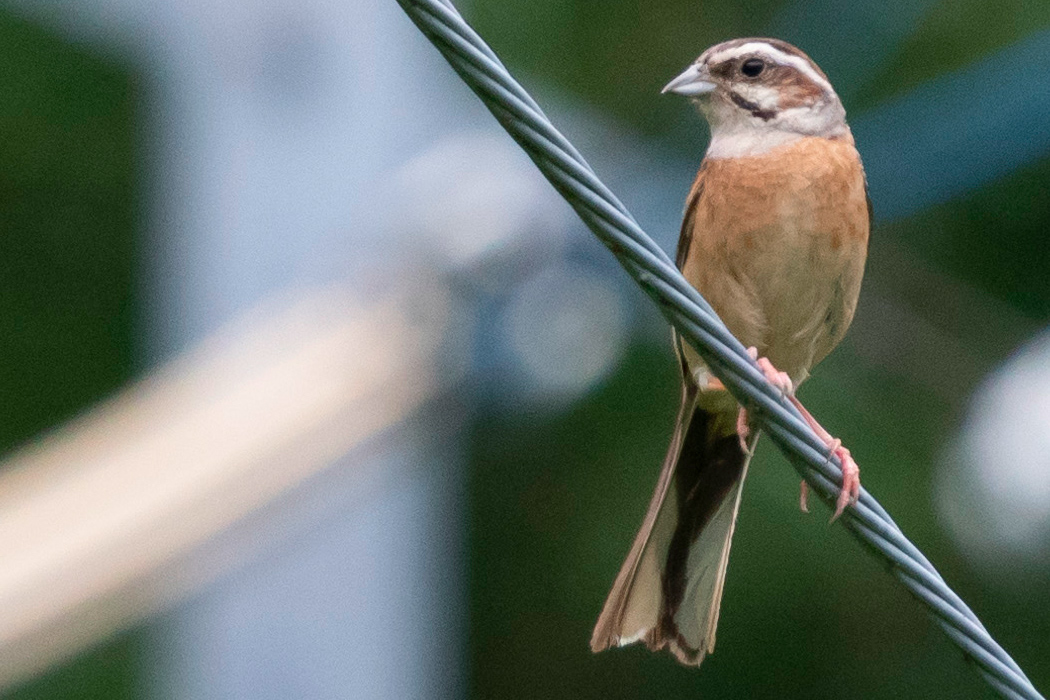
Meadow Bunting
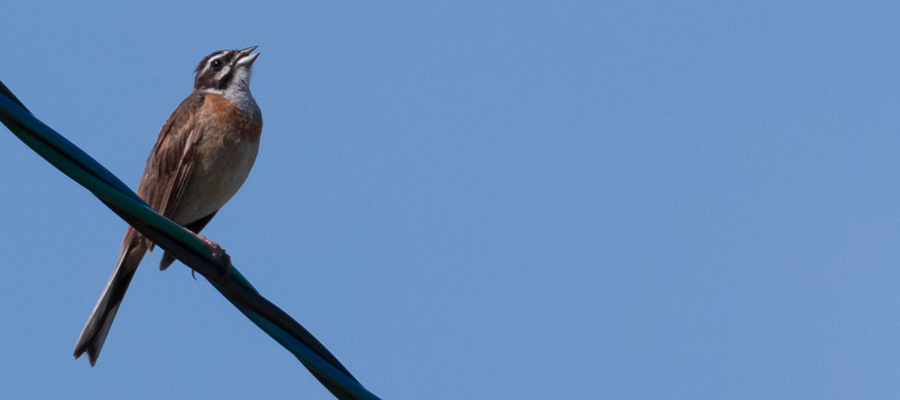
Sings with its head up and chest puffed out
| Scientific name | Emberiza cioides |
| English name | Meadow Bunting |
| Japanese name | 頬白 |
| Class | Aves |
| Order | Passeriformes |
| Family | Emberizidae |
| Genus | Emberiza |
| Species | cioides |
| Full length | Approximately 17cm |
| Distribution | From Hokkaido to Yakushima |
Meadow Bunting Characteristics and Morphology
A wild bird slightly larger than a sparrow. Its body color is brown, making it look very similar to a sparrow. Males and females have different colors.
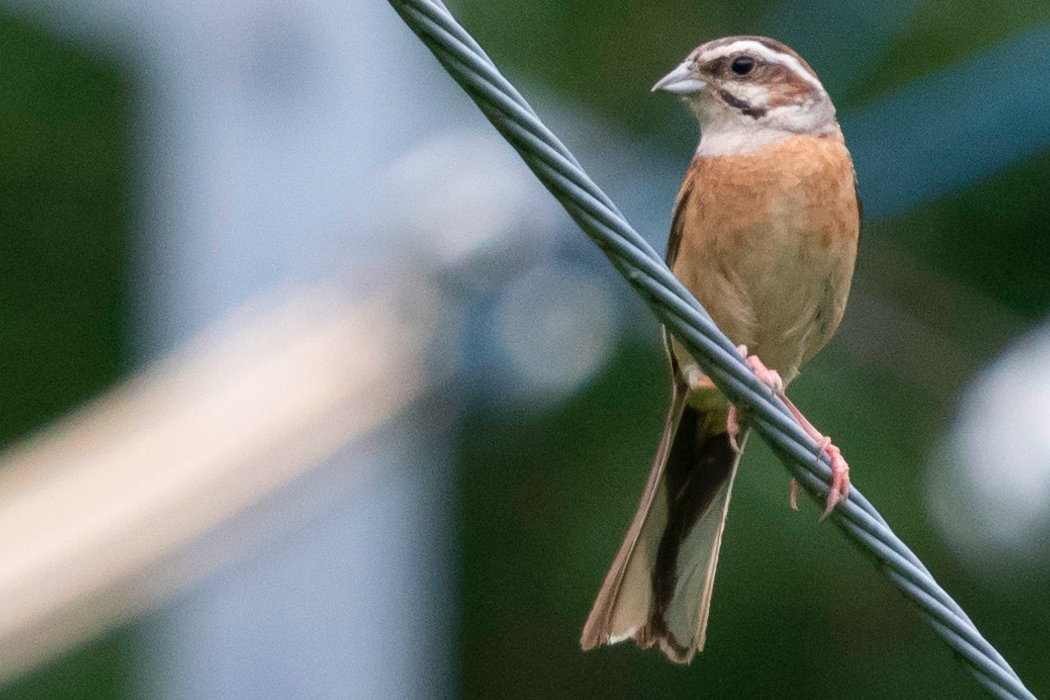
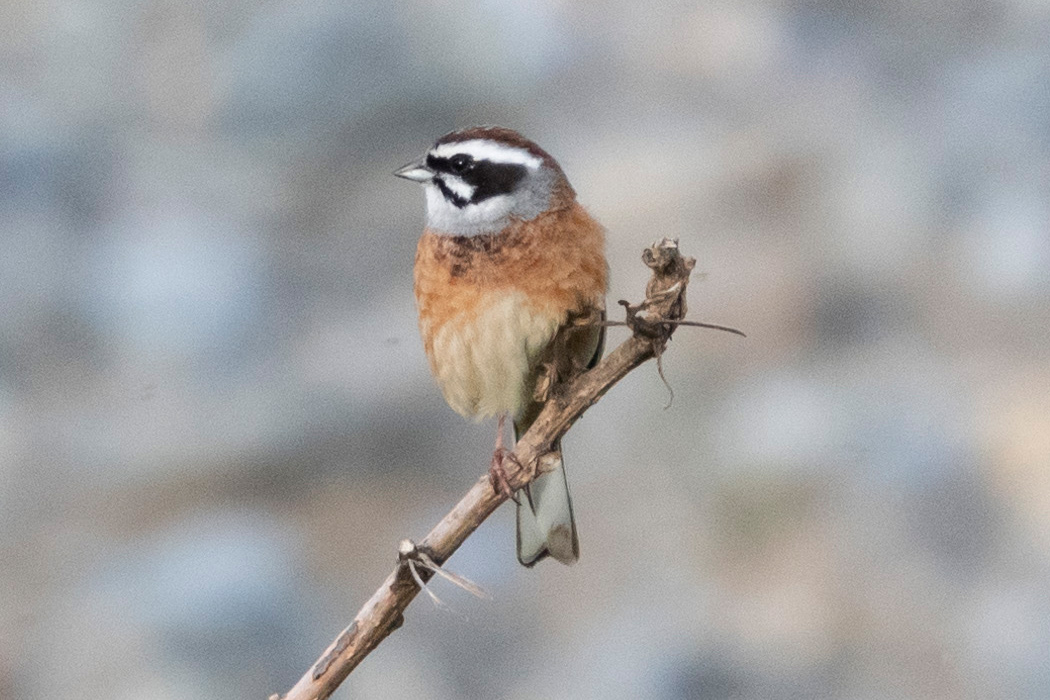
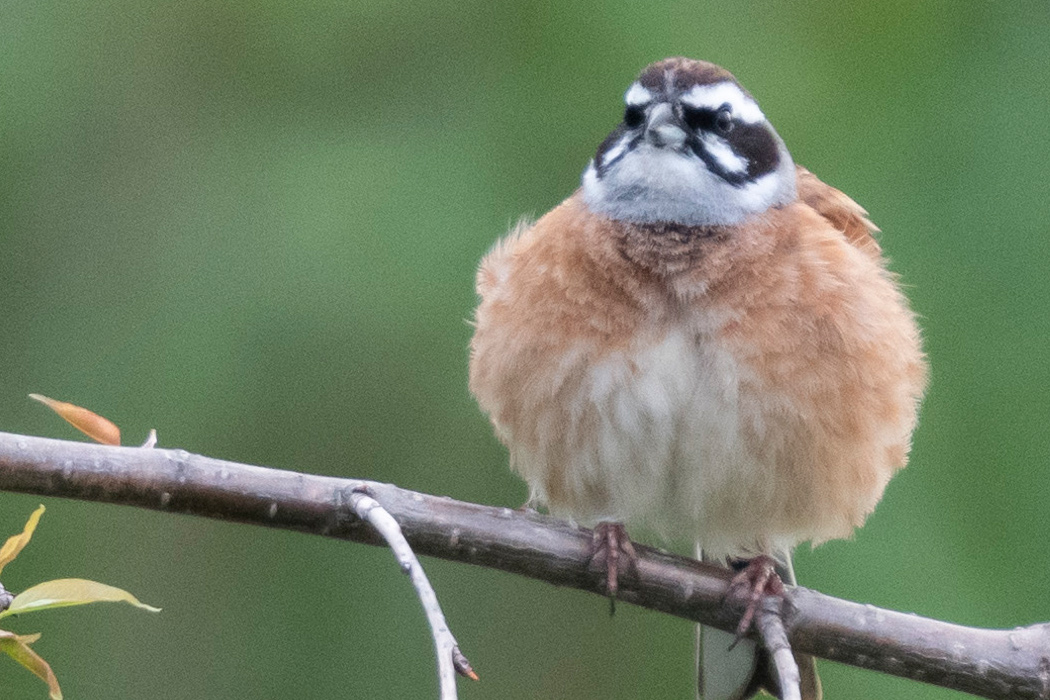
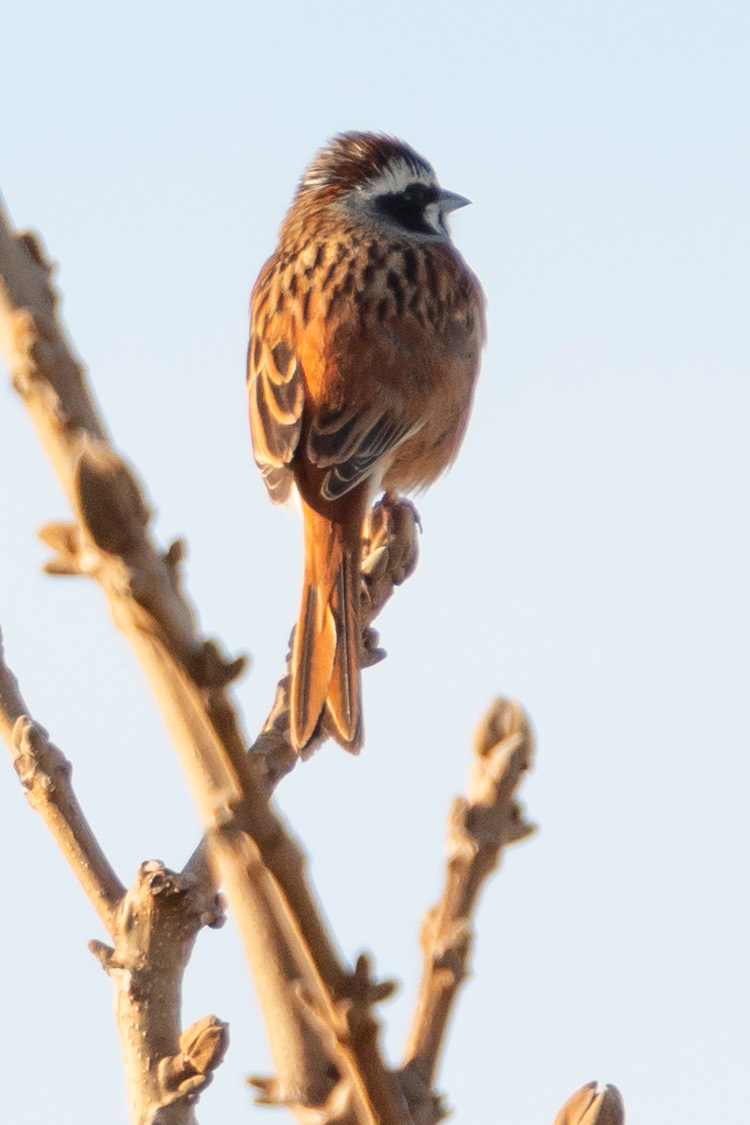
As the Japanese name suggests, its cheeks, throat, and eyebrows are white. Its crown feathers appear slightly raised. The beak is lead-colored and short.
The back is brown with blackish-brown feathers mixed in. Both males and females have brown bellies.
The tail feathers are long and V-shaped. The legs are flesh-colored or brown.
It may look like a sparrow at first glance, but it can be distinguished by its longer tail. It also closely resembles the Meadow Bunting, but their belly colors are completely different. The Meadow Bunting has a white belly, while the Japanese Meadow Bunting has a brown belly.
Male
The shape is the same as the female, but the overall impression, especially around the face, is different. The colors are more distinct.
The eye stripe and below the cheeks are black, making the face look like it is wearing a black and white mask.
Female
Lighter in color compared to the male. The entire body is brown.
The eye stripe is brown.
Song
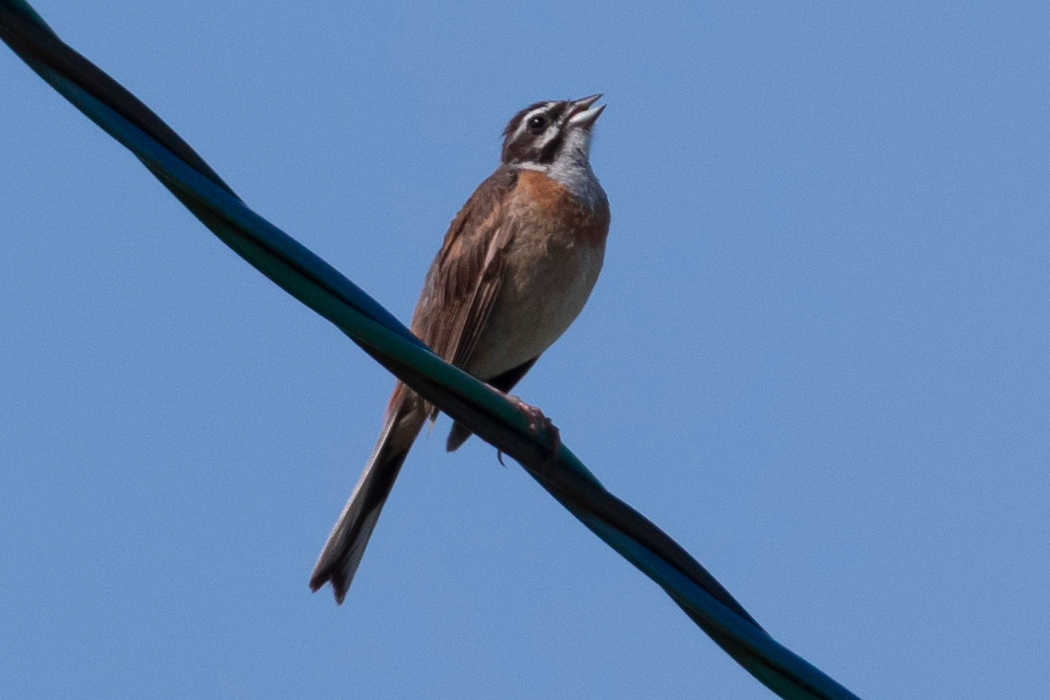
It perches on tree branches, treetops, and power lines, singing in a thin, high voice. It sings with a unique melody, such as "Chupi-chupi-chupi" or "Churi-churi-churi." These sounds have been interpreted as "I humbly submit this letter," and have been familiar to people for a long time. If you hear its song, look to the treetops or power lines, and you may find its silhouette.
Meadow Bunting Ecology
Habitat
Inhabits forests, agricultural lands, orchards, and riverbeds. It lives in slightly open areas.
Food
Eats insects and plant seeds in grasslands and agricultural lands.
Life Cycle
Breeds from spring to early summer. Sometimes its nests are parasitized by cuckoos.
Meadow Bunting Photos
Meadow Bunting Photos are introduced.
Tap the photo to open the detail page.
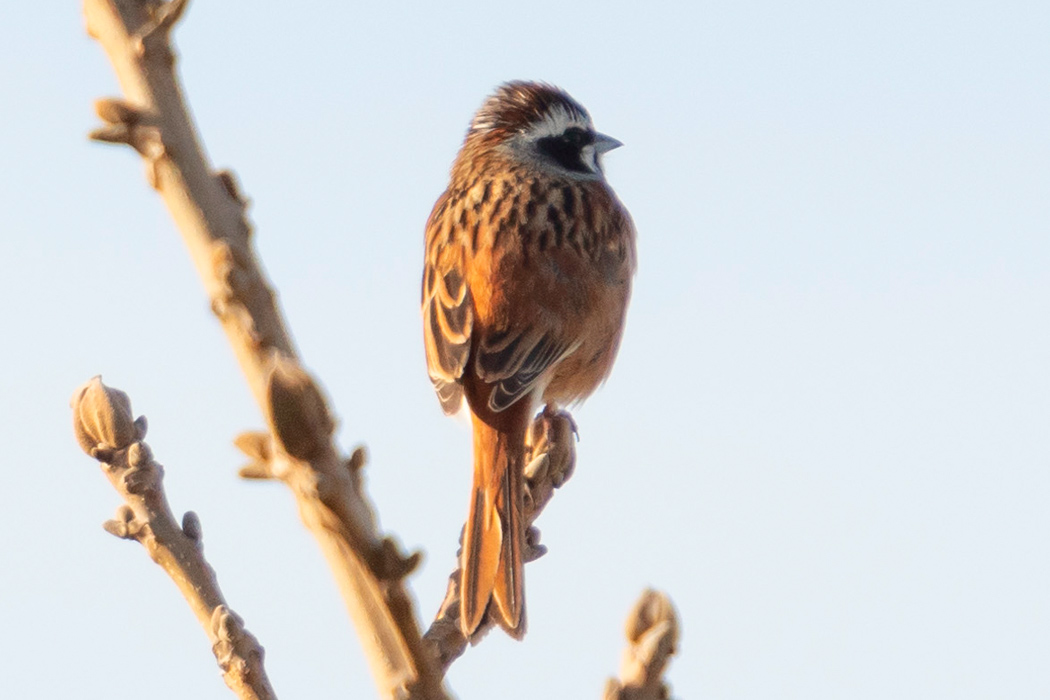
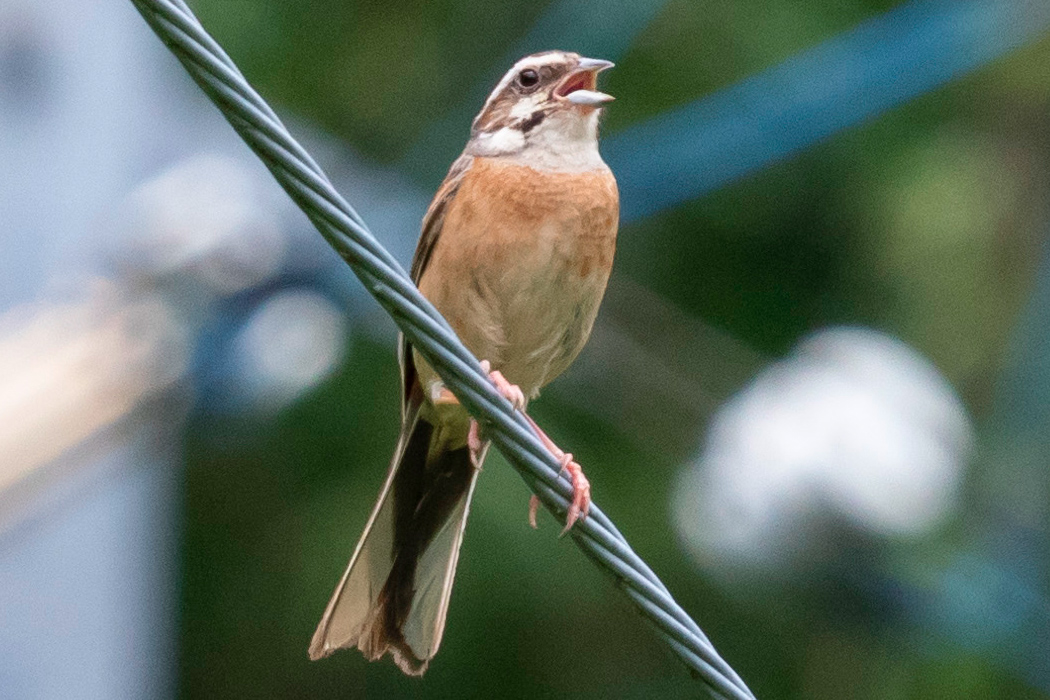
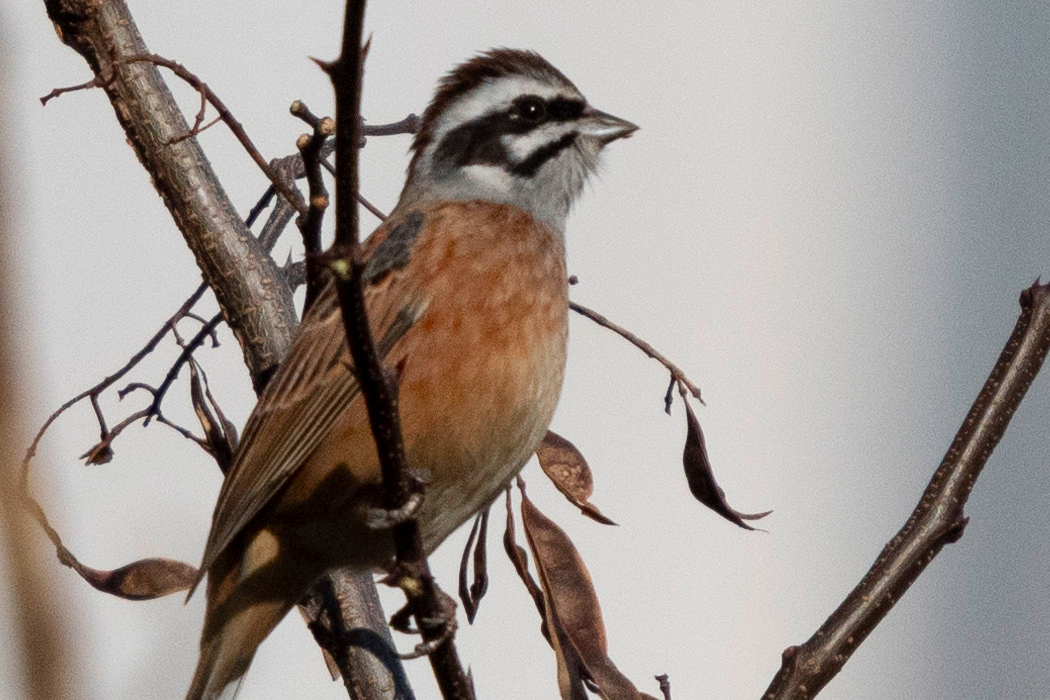
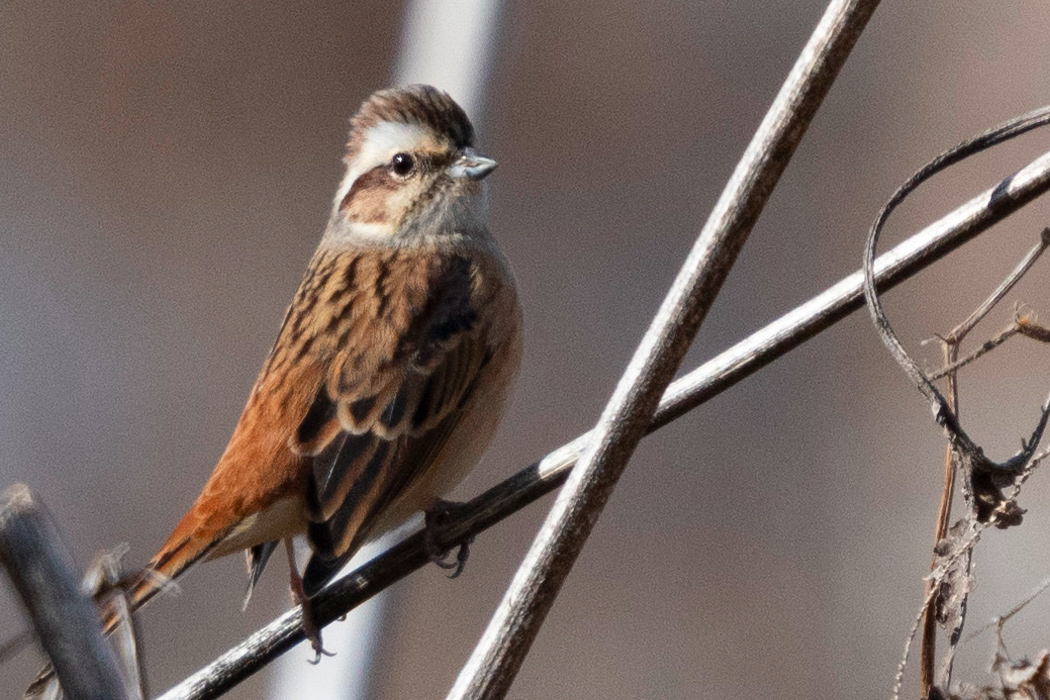
Meadow Bunting Behavior
When singing, it looks diagonally upwards, puffs out its chest, and opens its mouth wide. It acts alone or in small groups, and does not form large flocks. It is territorial.
Meadow Bunting Information
Naming
The scientific name "cioides" comes from its resemblance to the closely related species "cia (Rock Bunting)" that inhabits the Mediterranean coast. The Japanese name comes from its prominent white cheeks, hence the name "Hojiro" (white cheek).
Meadow Bunting Found Locations
Agricultural land in Ōmuta, Fukuoka Prefecture
While walking along a farm road, I heard a unique melody from afar. Searching around, I found a Japanese Meadow Bunting singing with its chest puffed out on a power line. It seemed to notice me, and moved away as I approached a certain distance. In Ōmuta, perhaps because there are many open farmlands and grasslands, I had the impression that I could hear the song of the Japanese Meadow Bunting wherever I went.
Asakawa, Hachiōji
A Japanese Meadow Bunting was singing in the Asakawa riverbed. After grooming its feathers, it curled up into a ball. There are countless of them in the bushes in front of the city hall.
Meadow Bunting Video
Meadow Bunting is introduced by video.
It is curled up in a ball.
Meadow Bunting Observation Log
These are the observation logs where we found Meadow Bunting.
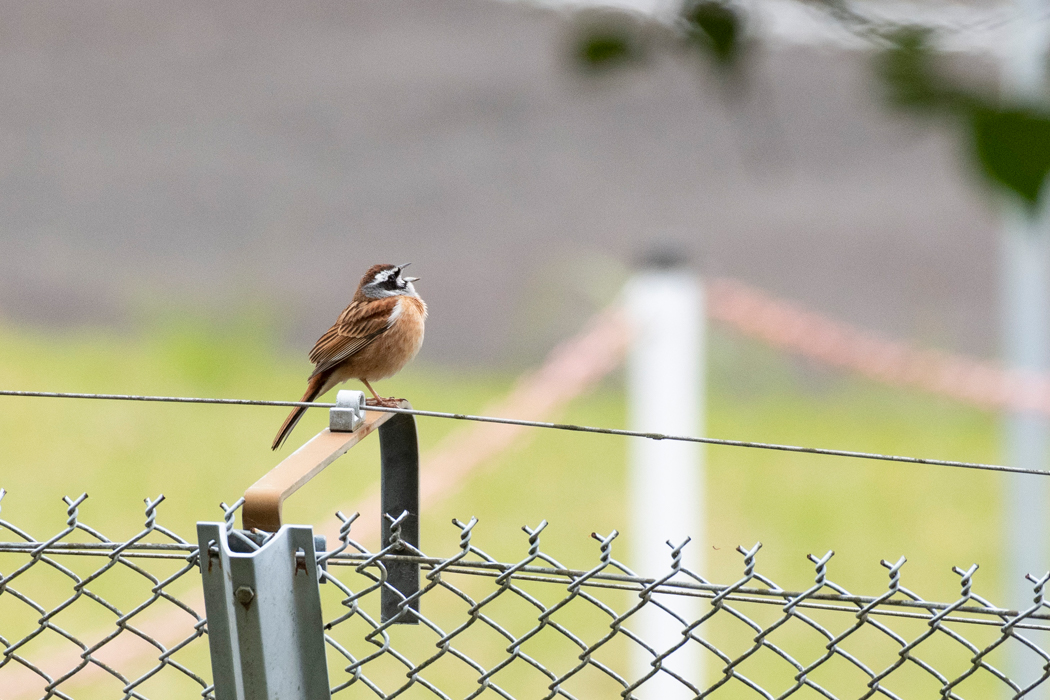
A meadow bunting was singing on the fence of the substation.
Read more >
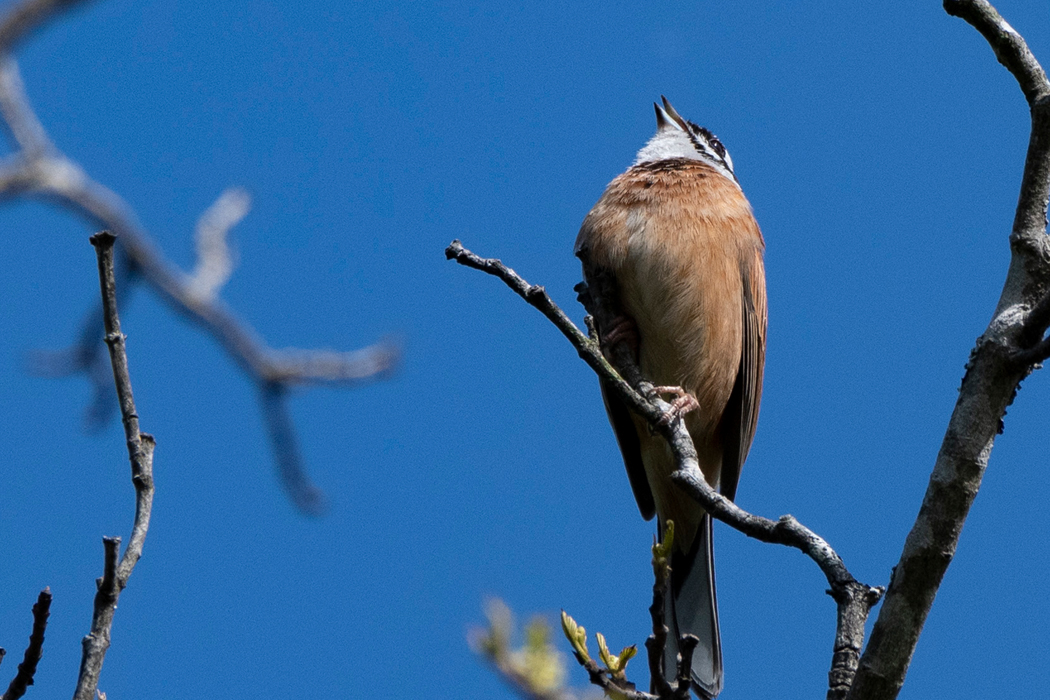
It was singing loudly on a tree outside the forest.
Read more >
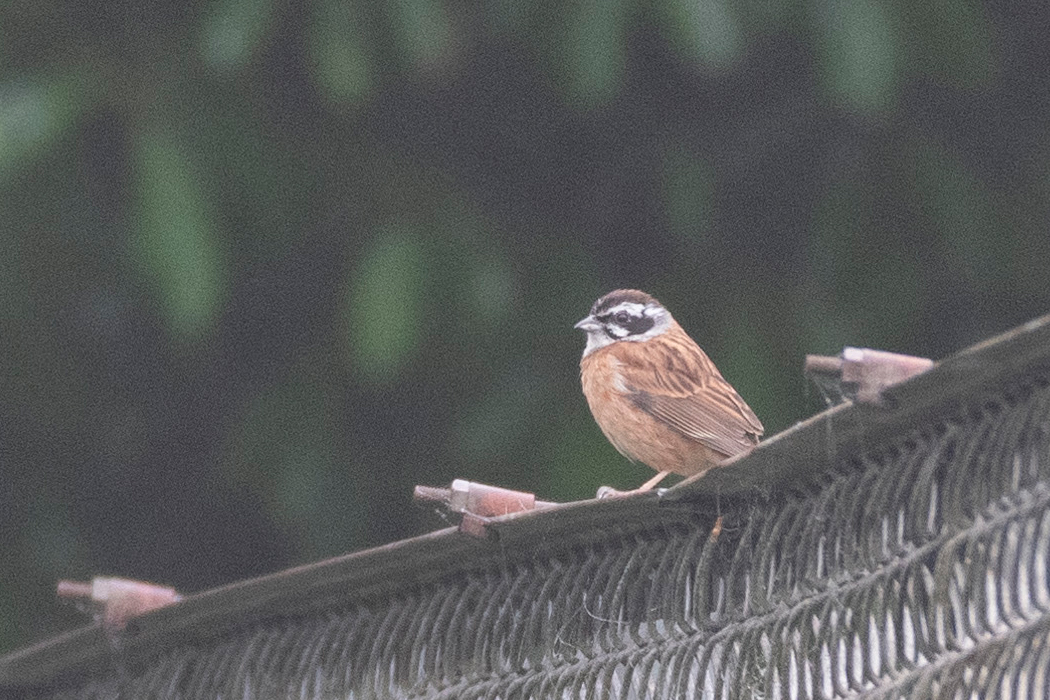
A White-cheeked Starling perched on the fence next to the substation. I often see it in this location.
Read more >
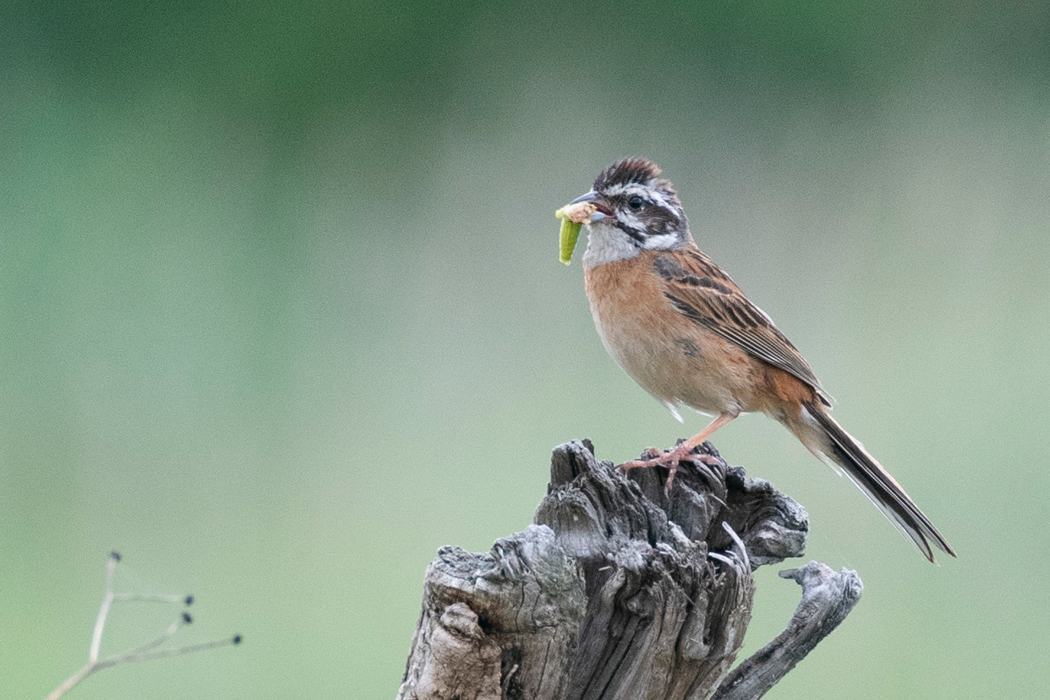
A Meadow Bunting caught a green caterpillar.
Read more >
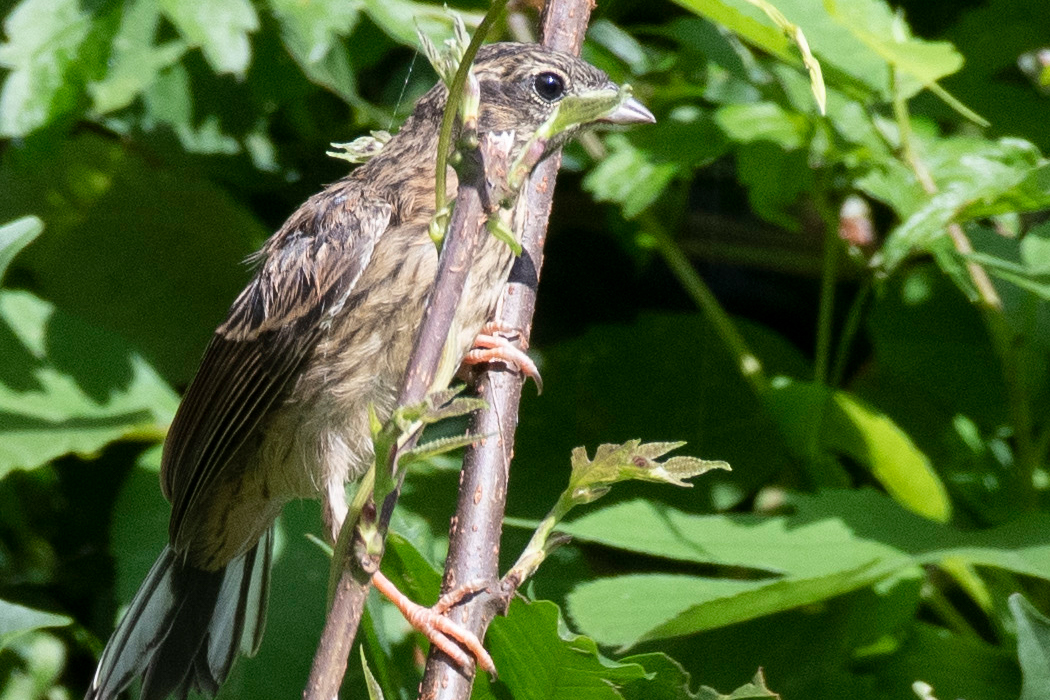
On the way to Mt. Imakuma, I encountered a Eurasian Reed Bunting parent and its young. The parent was feeding the chicks, who were not yet very good at flying.
Read more >
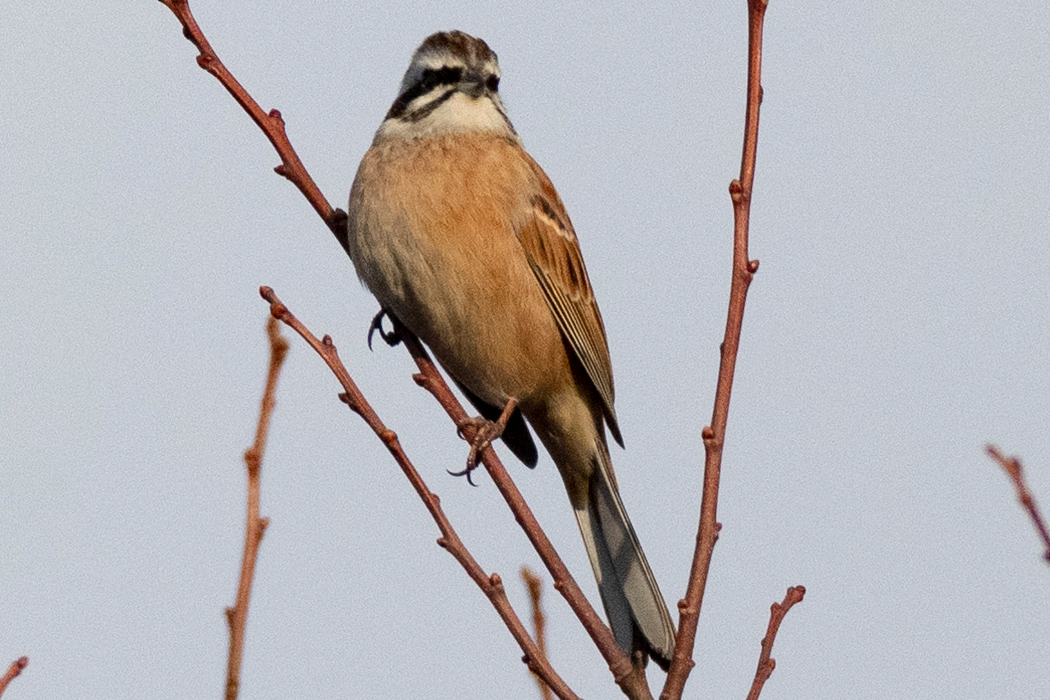
There were many Meadow Buntings near the observation deck.
Read more >
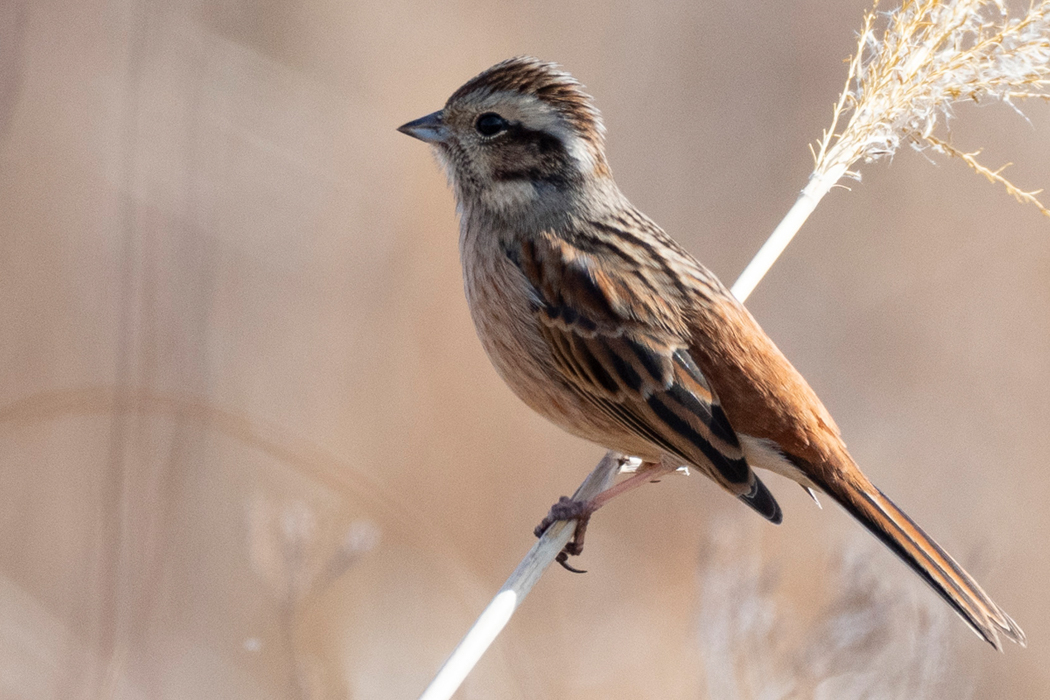
A Eurasian Reed Bunting popped out.
Read more >
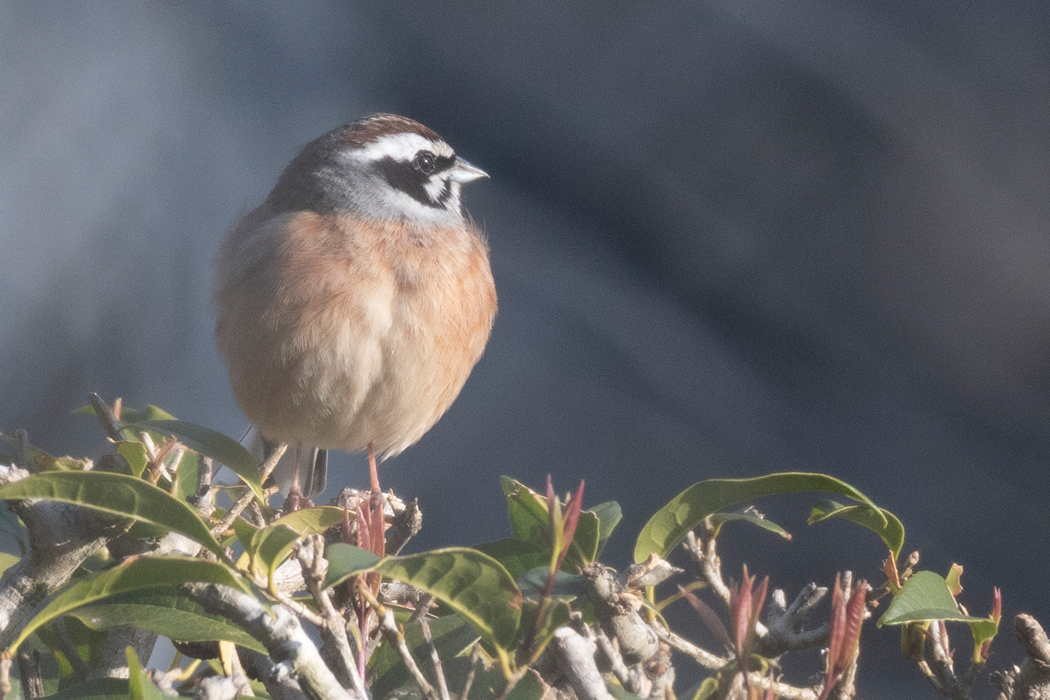
Eurasian Reed Bunting at the substation
Read more >
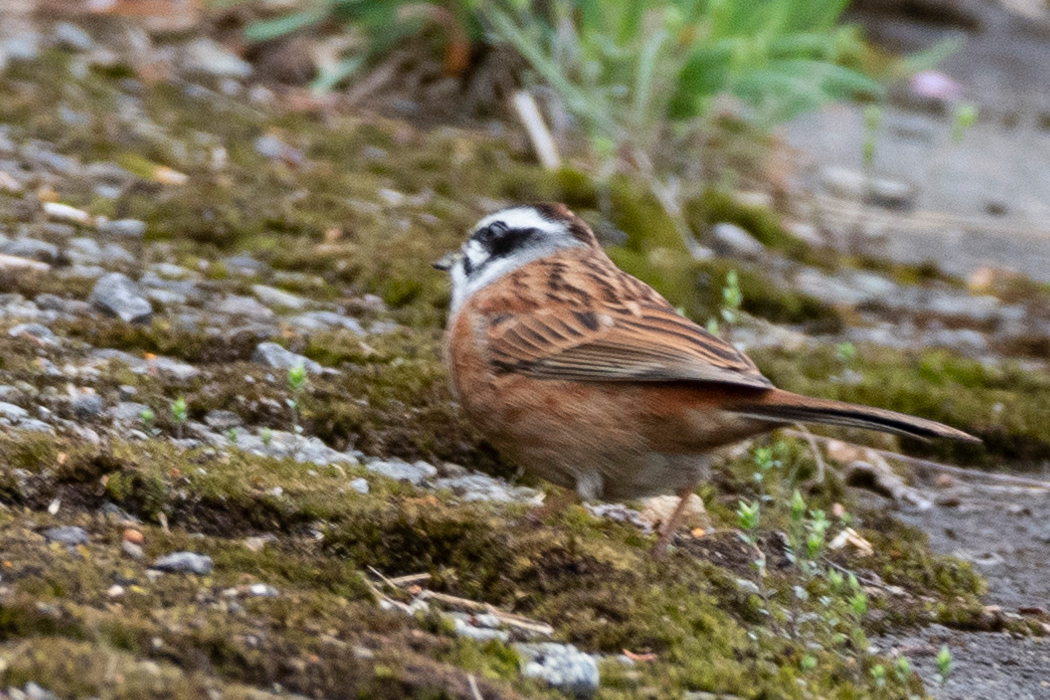
Eurasian Reed Bunting
Read more >
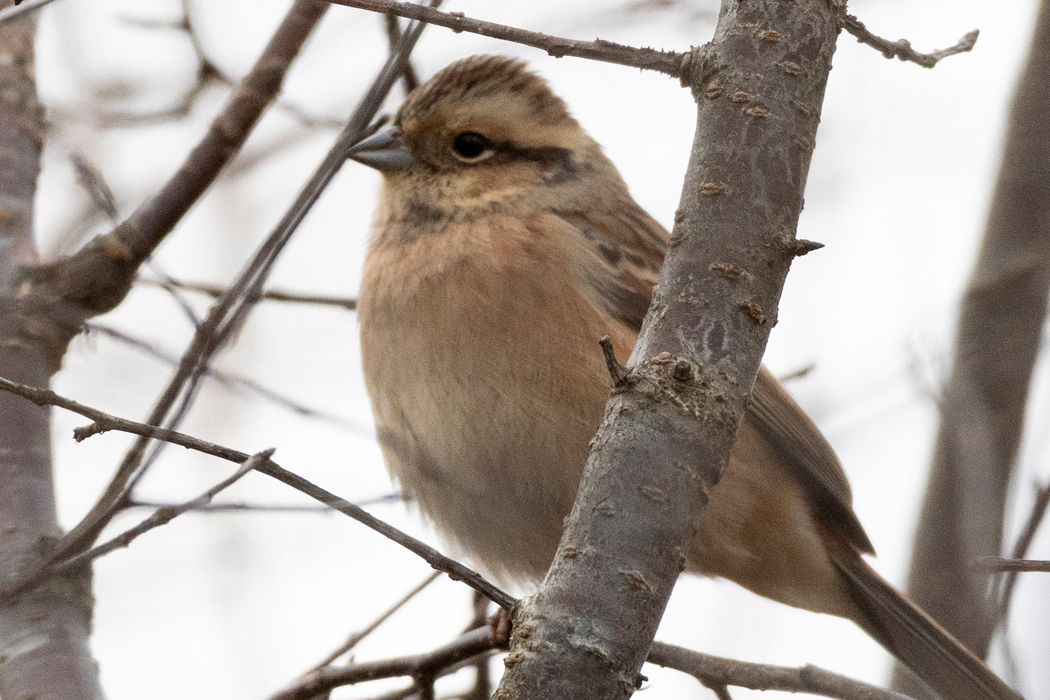
It had started snowing by the time I arrived near the pass, and the bird activity seemed sparse.
Read more >
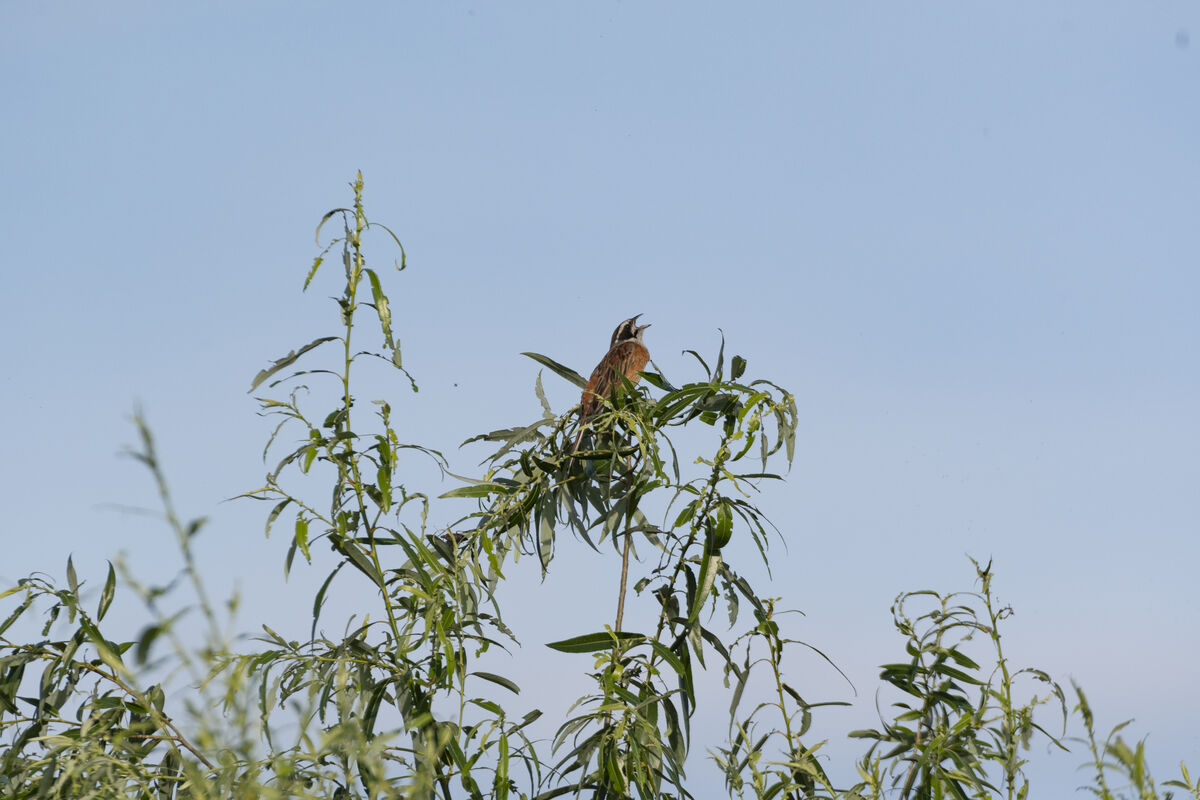
A White-cheeked Starling was singing at the top of a willow tree on the riverbank. I crouched down and approached it little by little to take a picture.
Read more >
Picture book
Big black eyes....... Read more
A member of the brown-eared bulbul family with a white head....... Read more

small flowers bloom on roadsides....... Read more
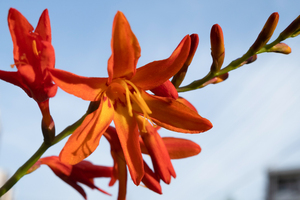
Orange flowers bloom in summer....... Read more
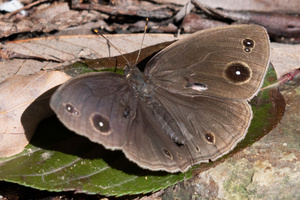
Eyeballs line the edge of the back....... Read more
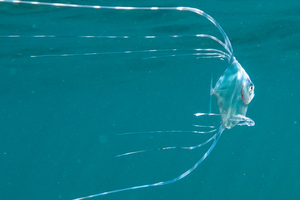
Beautiful fins that flutter like threads....... Read more